A wholesale inquiry is more useful when it reads like a considered business introduction rather than a quick request for a line sheet. For an independent boutique, a little preparation can help a brand understand the shop, the customer you serve, and the kinds of products you are evaluating. It also helps you ask questions that support a real buying decision.
You do not need a long presentation or a perfect forecast. You need clear, relevant information, a focused assortment idea, and a practical way to continue the conversation. Use the steps below to prepare a concise inquiry that feels professional and gives both sides a helpful starting point.
Start with a concise boutique profile
Introduce your business in a few sentences: the boutique name, location, selling format, and the categories you focus on. If you sell online, in a storefront, at markets, or through a mix of channels, say so plainly. Add a working website or public social profile if it helps a representative understand your presentation. Keep the introduction factual and current.
Then describe your customer through shopping needs and style preferences, not assumptions about age or body type. For example, you might serve people looking for polished layers, expressive tops, or versatile pieces that move between work and weekend. This description gives context without reducing customers to a narrow stereotype.
Include your role and the best contact details for a reply. If someone else handles buying or receiving, explain who does what. A clean signature with your name, title, email, phone number, and boutique location makes follow-up easier. Avoid burying those details in a long brand story.
Explain why this assortment may fit
Before writing, identify the role you want the label or product category to play in your shop. Are you looking for an everyday foundation, a distinctive accent, or a layer that can make existing outfits feel more complete? A clear reason is more actionable than saying you simply love a collection.
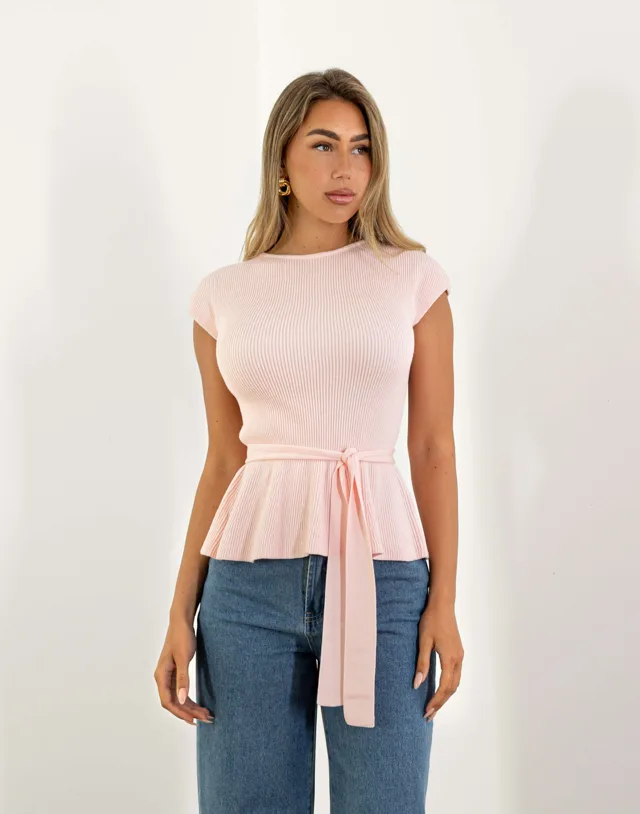
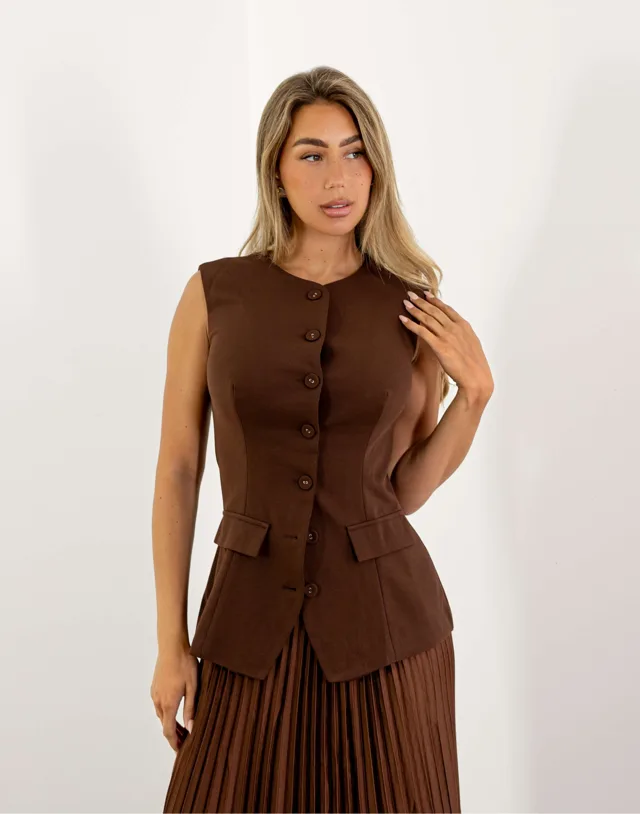
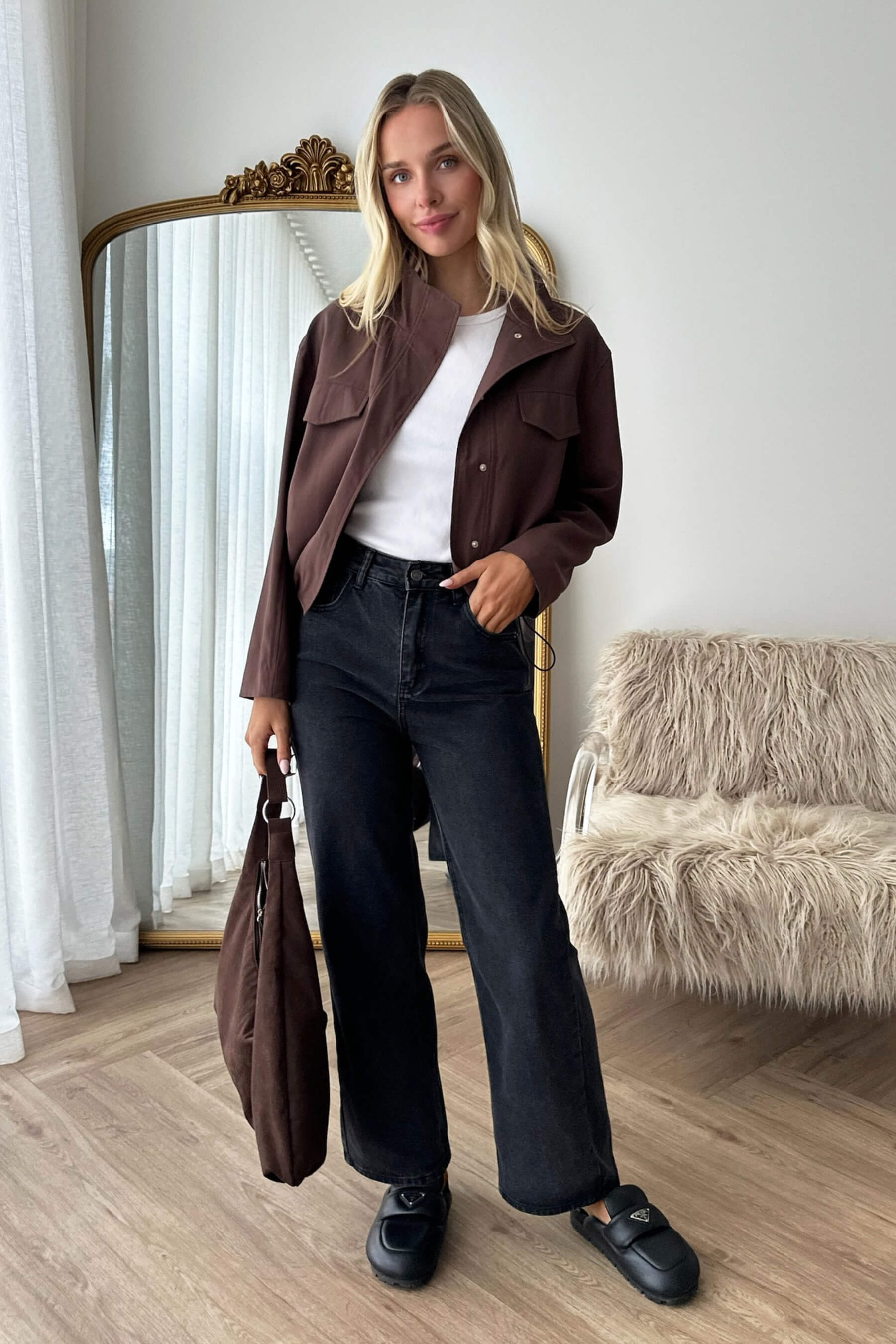
Think in outfits as well as individual items. A tailored layer might work over a simple top with straight-leg trousers, while a gathered top could balance a cleaner skirt or relaxed denim. For instance, a buyer reviewing the Camille Tailored Vest might consider how a longer vest proportion could sit over a streamlined base. The point is to describe a styling direction, not to promise that a particular product will sell.
Look at the assortment as a whole. The Tops collection can be a useful place to consider whether you need a simple base, a stronger visual statement, or options for layering. Compare neckline, sleeve shape, visual weight, and color with what your shop already carries. A clear gap is a better buying prompt than adding another version of something you have in abundance.
Prepare a focused first assortment
Write down the categories, silhouettes, and colors you are considering before you contact the brand. Keep the list selective. A first conversation can cover a few likely directions and then expand if the line is a fit. You might note that you are evaluating versatile tops, one layering piece, or a small color story that can work across several outfits.
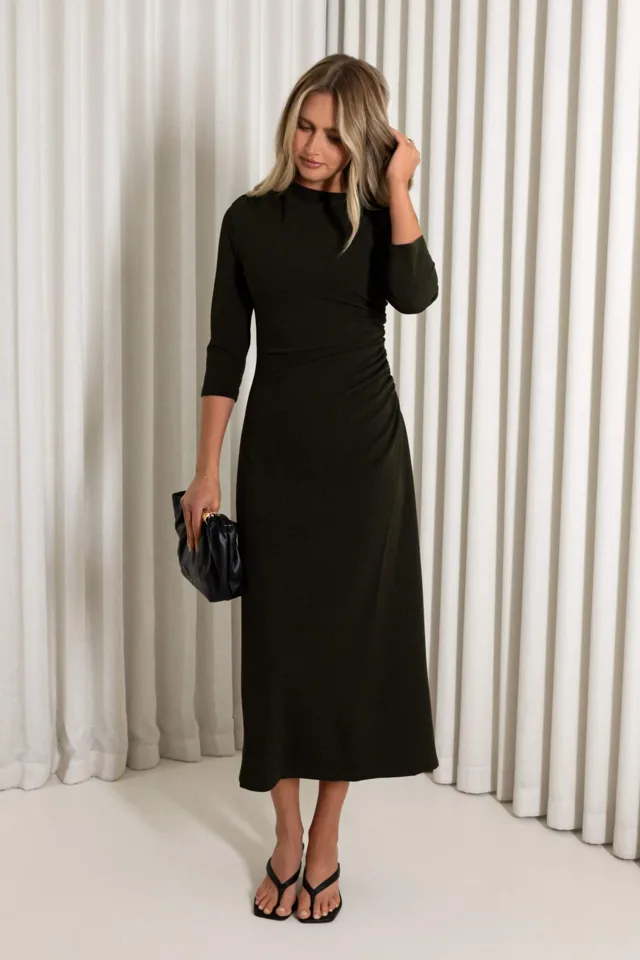
Consider proportion when building that story. A roomy top may pair naturally with a more defined bottom; a longer layer can work with a closer-fitting base; and a fluid silhouette may benefit from a clean, simple accessory rather than several competing focal points. These are styling options, not rules. Choose combinations that make sense for your customer and the rest of your assortment.
Make space for variety without creating visual clutter. Contrast can come from sleeve shape, neckline, texture, or print, not only from color. An item such as the Will Off Shoulder Top suggests a different styling mood than a quiet layering basic. If you are considering a statement piece, explain how you would balance it with more understated options.
Gather practical buying questions
Prepare questions that affect your decision and the work required after ordering. Ask about current wholesale terms, minimums, ordering process, payment expectations, shipping arrangements, and estimated lead times. Confirm whether details vary by style or order. Policies can change, so request the current information rather than relying on assumptions or old notes.
For product specifics, ask about available size ranges, color options, garment measurements, and how sizing information is presented. A size guide can help you review fit information, but you may still need clarification for a particular product or order. Keep questions neutral and practical; do not assume that a displayed size range or color is available for wholesale.
Ask about care instructions and fabric composition when those details matter to your customer or merchandising plan. Fabric affects how a garment may drape, layer, and need care. For example, a delicate or textured fabric may call for gentler handling than a sturdy everyday weave. Use confirmed product information for care guidance rather than guessing from an image.
Share timing and planning context
Give a useful sense of when you are planning to buy and when you hope to receive an order. If you are preparing for a seasonal floor change, a local event, or a planned launch, state the timing without presenting it as a guaranteed deadline. Ask whether the proposed schedule is workable and what lead-time information is available.
If you have a target budget or a planned range of units, you can share it when it helps the conversation. Be transparent about whether a number is firm or still under review. If you are not ready to name a quantity, say what you are still evaluating, such as color balance, size distribution, or the mix between core pieces and statement styles.
Keep forecasts grounded in your own planning. You can explain what you intend to test, but avoid promising a sales outcome. A thoughtful buyer communicates the decision factors they can control and leaves room to learn from the actual ordering process.
Make the message easy to answer
Give your email a direct subject line, such as “Wholesale inquiry — [Boutique Name]” or “New account questions — [Boutique Name].” Open with a brief introduction, then use short paragraphs or a compact list for the questions. Group related questions together so the recipient can respond point by point.
One useful structure is: who you are, what caught your attention, what assortment you are considering, and what information you need next. Attachments should be relevant and easy to open. If you include a buyer profile or a short assortment plan, make sure it is current and does not expose customer or business information unnecessarily.
For a direct place to begin, use the wholesale inquiry page. Follow any instructions shown there, and avoid sending the same inquiry repeatedly through several channels unless you have a reason to follow up. A clear first message gives the conversation room to proceed without unnecessary duplication.
Review before you send
Read the inquiry once from the recipient’s perspective. Can they tell what your boutique sells, why you are interested, and what you need answered? Are your timing and quantity statements specific but honest? Check names, links, contact details, and any product references. Remove questions already answered in the information you have reviewed.
After sending, keep a simple record of the date, contact, questions, and any next steps. If you have not heard back after a reasonable interval, a short, courteous follow-up can bring the message back into view. Restate the original subject, mention the date you reached out, and ask whether there is a good next step. Avoid treating silence as confirmation of availability or terms.
Clear retail buyer preparation is not about sounding formal for its own sake. It is about making your shop understandable, your questions answerable, and your decision process flexible. With a concise introduction and a focused assortment plan, you can explore boutique wholesale with more confidence while leaving room to adjust as details become clear.
Find a piece to make it your own.
Explore the current collection and ask us about the fit, details or availability of any style.
Explore Layers & outerwear