A boutique assortment is more than a collection of individual pieces. It is the set of choices a shopper encounters—and the combinations that set can make possible. For a boutique buyer, planning the assortment means balancing point of view with practical questions: Who is this edit for? What can customers wear together? Where are the gaps, and what might be repetitive?
There is no single formula that suits every shop or season. A useful starting process gives each buying decision a reason while leaving room to adjust as the assortment takes shape. Use the steps below as a flexible framework for building a clear, wearable retail edit.
Start with the customer and the purpose of the edit
Before looking at individual styles, describe the customer you want the assortment to serve. Keep the description useful rather than narrow: consider the settings she may dress for, the level of polish she enjoys, and whether she tends to build outfits around easy layers, expressive tops, or versatile separates. Avoid treating age or body type as a complete definition of personal style.
Then name the purpose of this particular edit. Is it meant to refresh everyday dressing, support event outfits, or bridge changing weather? A concise purpose helps the buyer compare options without expecting every piece to serve every occasion. It also gives the assortment a story shoppers can understand, rather than leaving them with a row of unrelated choices.
Map categories before choosing individual styles
Sketch the categories the edit needs before getting attached to particular pieces. Depending on the shop and season, that might mean tops, bottoms, dresses, layering pieces, and finishing accessories. The goal is not to fill every category equally. It is to check that the selection has enough outfit-building components to feel intentional.
A category map can be simple: note what is essential, what adds variety, and what is optional. If tops dominate the plan, ask whether the assortment also offers enough ways to finish a look. Browse the Tops collection as one example of how a category can contain different roles; a category label alone does not explain how its pieces work together.
For each proposed style, identify its job. A crisp top might anchor a polished outfit, while a softer shape could bring ease to the same wardrobe. A layer may add definition or provide a useful option when temperatures change. If two pieces have the same job, decide whether their differences in color, shape, or styling make both worthwhile.
Plan outfit combinations, not just product counts
One practical test is to make a small outfit grid. Put the proposed tops across one side and bottoms or layers across the other, then mark combinations that feel plausible. This is not a demand that every item match every other item. It is a way to see whether shoppers can make several complete looks without needing an entirely separate set of purchases for each idea.
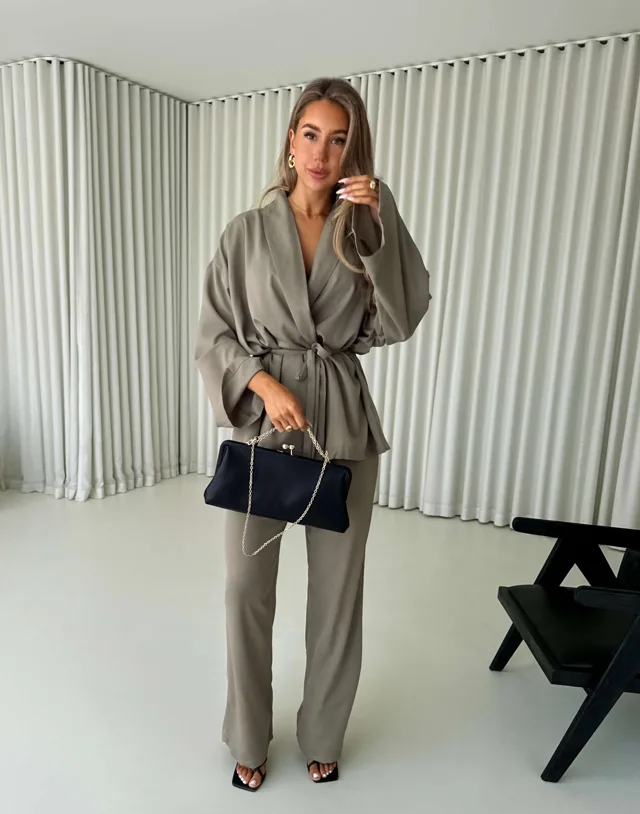
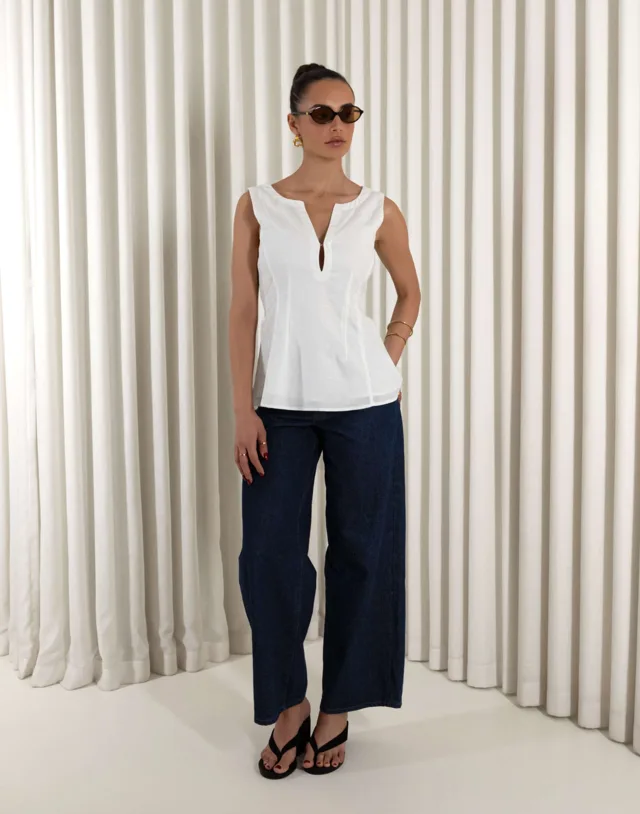
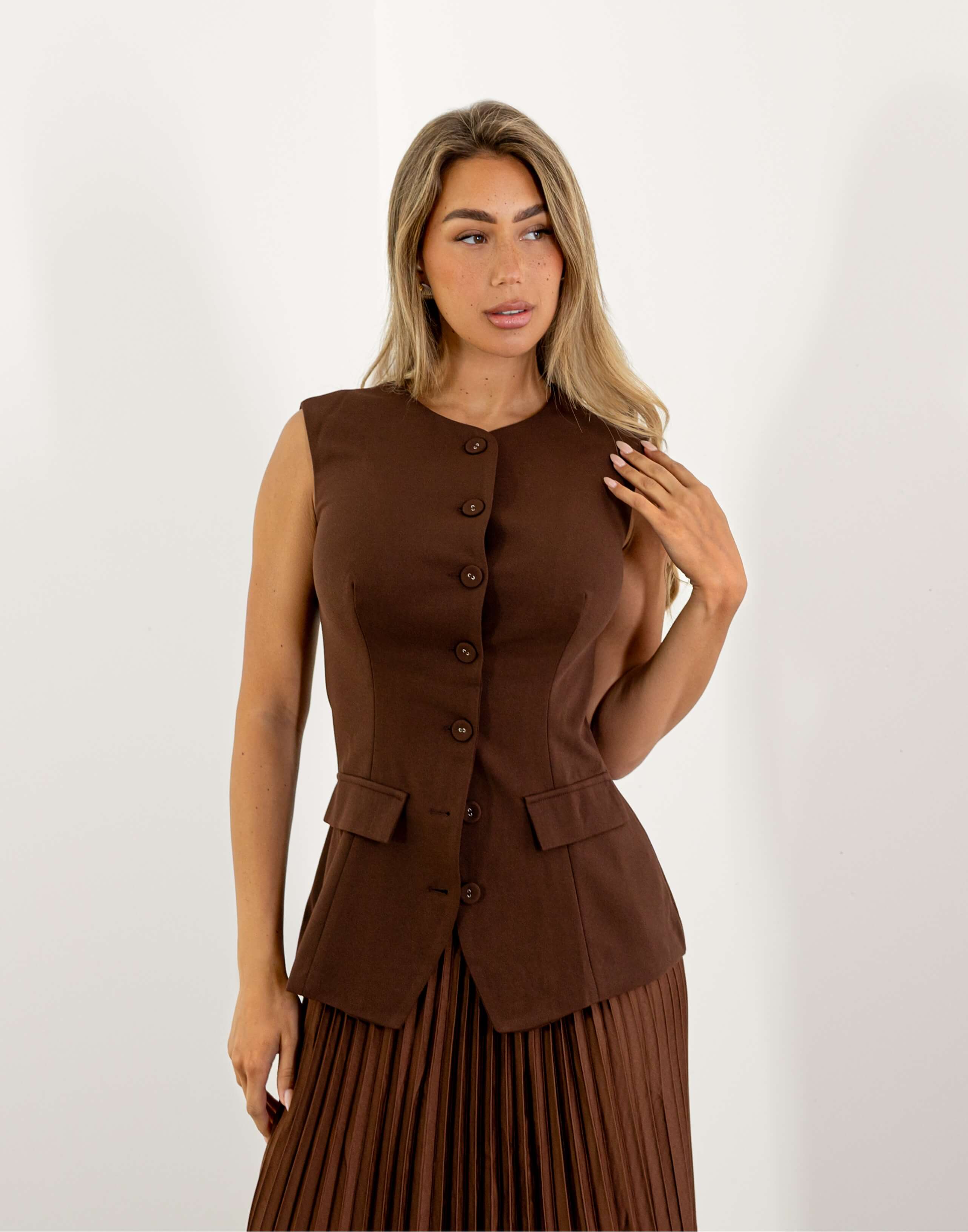
Consider proportion as well as color. A longer layer can bring structure over a more fluid top; a shorter shape may work naturally with a higher-rise bottom. For instance, a tailored layer such as the Camille Tailored Vest suggests a different outfit role from a softly gathered top such as the Billy Gathered Top. Think through what each would pair with, and whether the combinations suit the edit’s purpose.
Styling details can help reveal gaps. Would an outfit benefit from a belt, a simple necklace, or a bag with a little structure? Could an open layer make a sleeveless or statement piece feel more adaptable? Accessories should support the clothes rather than distract from them. The point is to imagine the choices a shopper could make, not to prescribe one correct way to wear an item.
Use color and texture to create a connected retail edit
A cohesive palette does not have to be limited to neutrals. Begin with a few colors that can repeat across categories, then decide where contrast or print can add energy. Repeated tones help separate pieces feel related; a considered accent can keep the edit from becoming visually flat. Check how colors sit next to one another, not only how appealing each looks by itself.
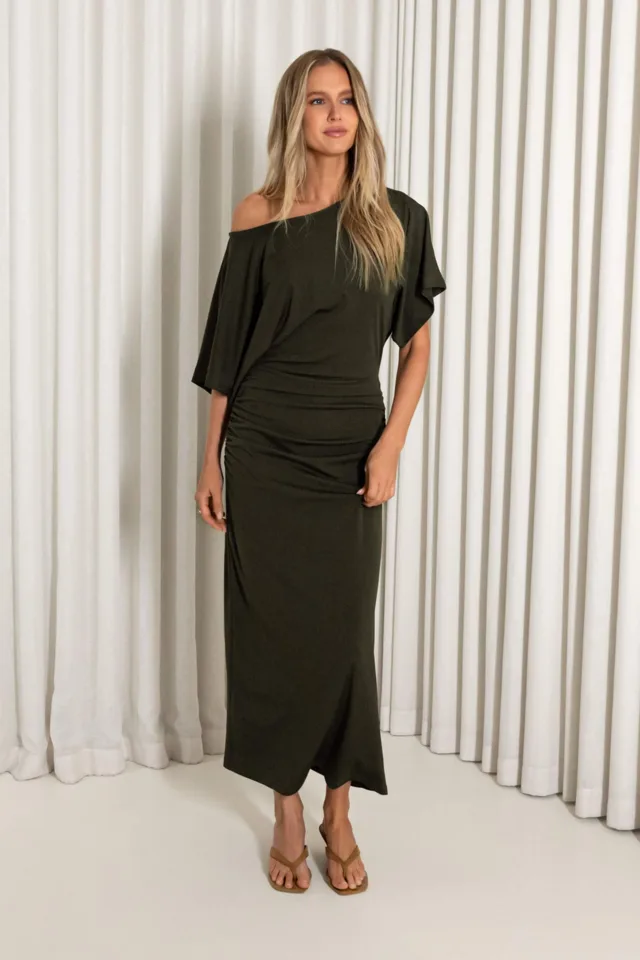
Texture and fabric also affect the mood and practical use of an assortment. Think about whether a piece is lightweight, structured, drapey, or sheer, and what layers make sense with it. A sheer printed top, for example, may need a considered base layer; a customer could style the Will Off Shoulder Top with a simple layer underneath and understated accessories, depending on personal preference and the garment’s care instructions.
Fabric-aware planning continues after the purchase decision. Review care labels and product details rather than assuming that similar-looking pieces need identical treatment. If a style calls for gentle handling or careful storage, consider whether the boutique can explain that clearly. Practical care information helps shoppers make informed choices and helps the buyer evaluate how a piece fits the intended wardrobe.
Check size range and fit communication
Size planning deserves its own review, not a last-minute check. Consider the range offered for each style, the fit information available, and whether customers can find clear guidance before deciding. A size run is not interchangeable across silhouettes: a relaxed top and a structured layer can wear differently even when their labels look similar.
Use the boutique’s size guide as a useful reference point when reviewing how sizing is presented. Avoid promising a fit based on a product name or a styling image. Instead, communicate the available measurements and fit notes accurately, and encourage shoppers to compare them with their preferences. A welcoming assortment makes room for varied bodies and individual ways of wearing clothes.
Review each choice for value within the assortment
Before finalizing the retail edit, ask what each style contributes that is not already covered. A piece may earn its place through a distinctive shape, a useful color, an outfit-making layer, or a different occasion. If the reason is only that it is attractive on its own, test it against the customer, the category map, and the outfit grid.
Then look for practical balance. Are there enough easy-to-style foundations alongside more expressive pieces? Do the layers make sense for the intended season? Are there combinations at different levels of polish? These are prompts, not quotas. A focused assortment can be stronger than a larger one when each choice has a clear role.
Keep the planning process flexible
Assortment planning is a sequence of decisions, not a promise that the first draft must remain untouched. Review the plan in stages: customer and purpose, categories, outfit combinations, palette, sizing, and final product roles. When something changes, revisit the connected choices. Removing one layer, for example, may affect how several tops can be styled.
For a small team, a shared worksheet can capture each style’s category, color, intended role, possible pairings, and questions to resolve. A buyer considering a new sourcing relationship can also use the wholesale inquiry page as a starting point for a business conversation, without treating a contact as a guarantee of availability or fit for the plan.
The most useful boutique assortment planning process is clear enough to guide decisions and flexible enough to reflect the boutique’s point of view. Start with a customer and purpose, build a connected set of categories, and evaluate the combinations—not just the individual garments. That gives the boutique buyer a practical foundation for a thoughtful retail edit.
Find a piece to make it your own.
Explore the current collection and ask us about the fit, details or availability of any style.
Explore Layers & outerwear