A small boutique assortment has to do several jobs at once. It should feel distinctive, offer customers useful choices, and make sense within the space and budget available. That does not mean carrying a little of everything. A considered boutique product mix gives each category a purpose and helps shoppers imagine complete outfits rather than isolated purchases.
For an independent retailer, retail planning is most useful when it connects buying decisions to the customer’s everyday wardrobe needs. Start with a point of view, build a few flexible outfit stories, and review the assortment as a whole before adding more. The process can stay practical and adaptable; it does not need to rely on rigid formulas.
Start with a clear customer and wardrobe need
Before selecting products, describe the person you hope to serve in terms of clothing preferences and real-life use. Consider whether she is looking for polished pieces for work, relaxed layers for weekends, occasion options, or a mix. Think about the climate, routines, and styling habits that are relevant to your audience, while leaving room for individual taste and different ways of wearing a garment.
Translate that description into needs rather than assumptions. “A layer that works over a simple top” is more useful than deciding every customer wants the same silhouette. Ask what is missing from the wardrobe story: a versatile shirt, an easy knit, a skirt that can be dressed up, or an accessory that brings a neutral outfit together. A customer lens gives each prospective item a reason to be considered.
Keep a short assortment brief to guide decisions. It might name the customer, the mood of the collection, the intended price range, and a few practical wardrobe roles. Use it as a filter, not a script. If a product is appealing but does not fit the brief, decide whether it offers a meaningful new option or simply repeats something already covered.
Give every category a job
Map the categories you want to offer before choosing individual styles. A compact plan might include tops, bottoms, dresses, layers, and accessories, with the emphasis shaped by the boutique’s identity. Then ask what each category contributes. Tops may provide the easiest entry point for outfit building; a layer can extend the usefulness of a dress or tank; accessories can change the feel of familiar separates.
Balance does not require equal space or equal quantities across categories. It means customers can make sense of the selection and find enough pieces to build a look. If the assortment has several statement tops but very few pieces to wear with them, consider whether the imbalance is intentional. If most items are subtle basics, a carefully chosen color or print can add distinction without changing the whole direction.
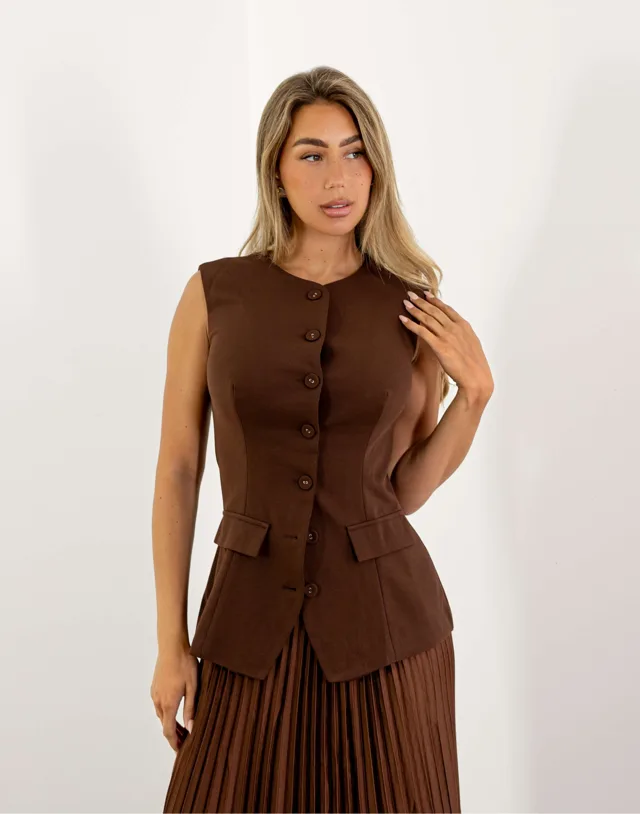
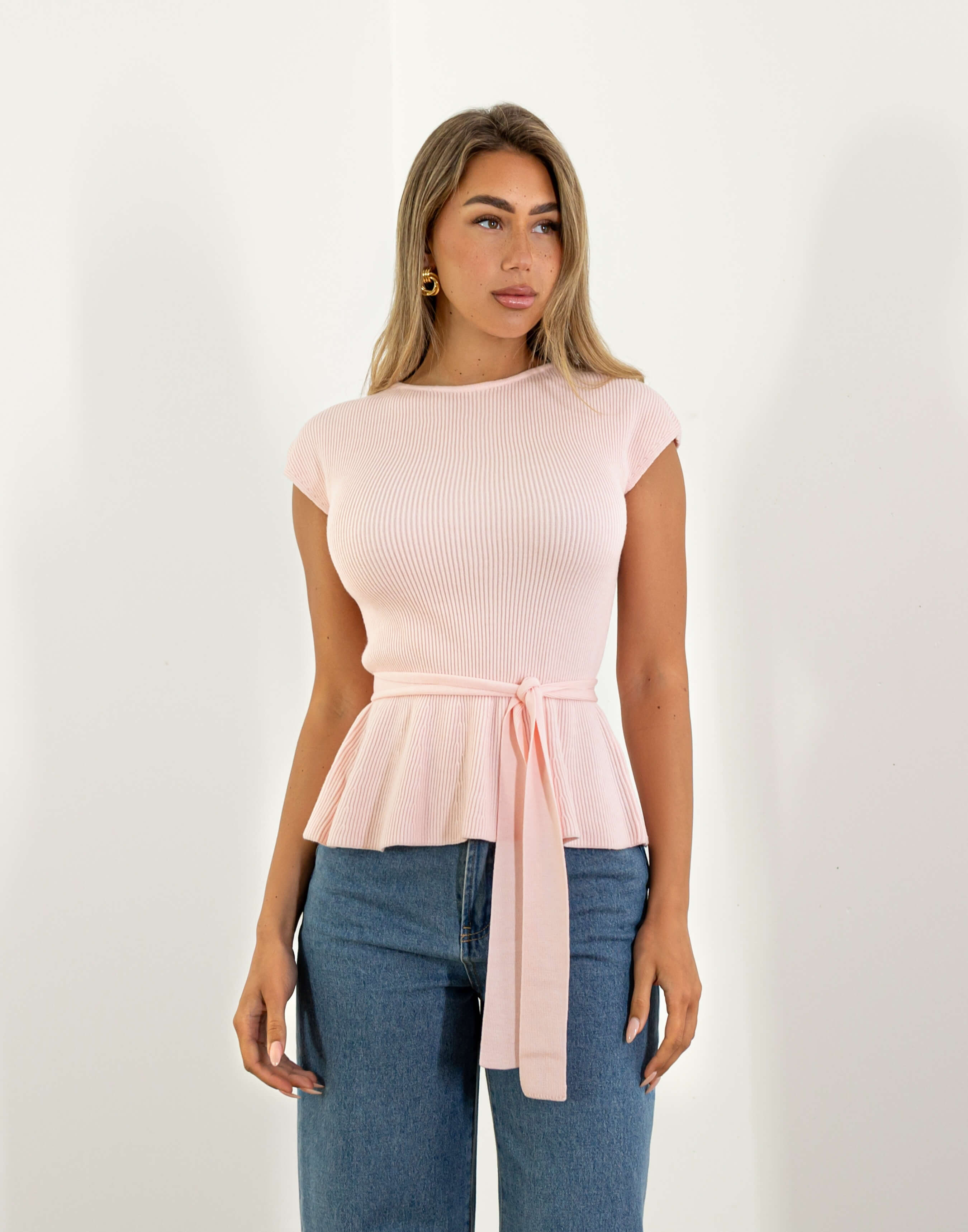
Review the Tops collection as one part of a larger wardrobe, rather than treating each top as a separate buying decision. A fitted option, a more relaxed shape, and a layer-friendly piece may serve different preferences. The right combination depends on the customer and the rest of the assortment, not on a fixed number of styles.
Build outfits, not just product rows
Lay out potential purchases as complete outfits, on paper or in a simple visual plan. Pair a printed blouse with a quieter skirt or trouser. Test a relaxed shirt over a fitted tank, or leave it open as a light layer. Consider whether a top works tucked in, worn loose, or partially tucked, and whether its proportions feel balanced with the bottoms you expect customers to wear.
Outfit planning reveals gaps that a category list can hide. Several attractive tops might all require the same kind of bottom, while none of the planned pieces provide that pairing. Conversely, a single versatile layer may connect multiple outfits. When evaluating an item, ask how many other pieces it can work with and whether those combinations feel natural rather than forced.
Use the Sylvia Peplum Top as a product-level prompt: what kind of bottom, layer, and accessory would help a customer style a fitted peplum silhouette? A streamlined skirt or straight-leg trouser could keep the outfit’s proportions feeling intentional, while a simple necklace or small bag can finish it without competing for attention. This is a styling exercise, not a claim about a particular customer or a guaranteed fit.
Choose a focused color story
A coherent color story helps shoppers understand how pieces relate. Begin with a few dependable shades that suit the boutique’s mood, then introduce accent colors, prints, or seasonal tones selectively. The aim is not to make every piece match. It is to make enough pieces coordinate that customers can create more than one outfit from the selection.
Check color balance across categories. If a bright shade appears only in one statement garment, consider whether it can be paired with a neutral already in the plan. If many pieces share similar tones, look for variation in texture, pattern, or silhouette so the assortment does not feel repetitive. Display and merchandising can reinforce the story, but a good color plan should also work when customers mix pieces on their own.
Think about the role of prints as well. A print can bring energy to a simple outfit, while a solid layer can make it easier to wear in different settings. Avoid buying a print solely because it looks striking on its own; consider what colors and shapes in the planned assortment will support it.
Plan proportions, layers, and accessories
Variety in silhouette can make a small assortment feel considered. Include options with different degrees of ease, length, and structure where they suit the customer. Pairing proportions is part of the styling story: a roomy shirt can balance a closer-fitting bottom, while a shaped top may work well with a more fluid skirt or wide-leg pant. Offer ideas rather than rules, since comfort and personal style vary.
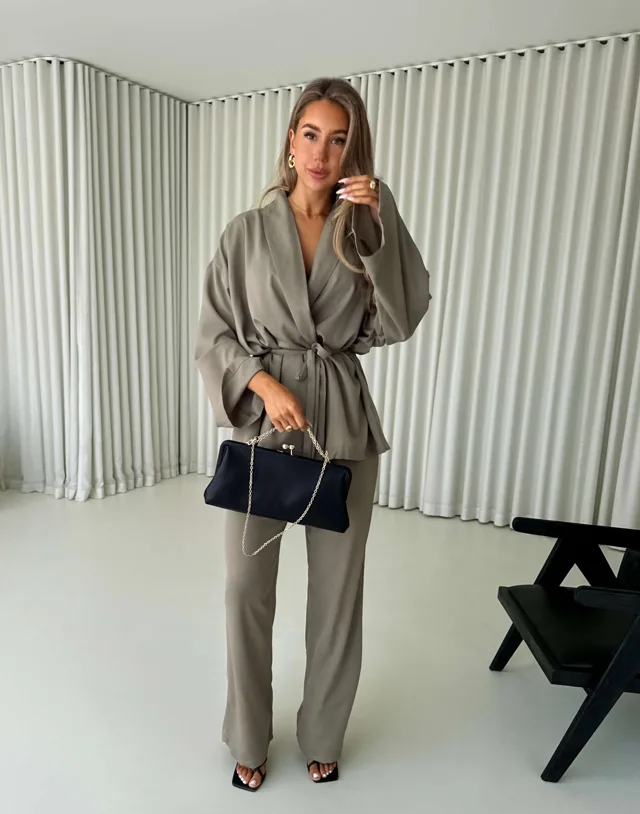
Layers help extend a product’s use across changing temperatures and settings. A light shirt worn open can soften a tank-and-trouser combination; a cardigan or jacket can bring more structure to a simple dress. When selecting layers, consider sleeve volume, hem length, and how the piece sits over other garments. These small details help shoppers picture how an item fits into an existing wardrobe.
Accessories can make a compact product mix more expressive without requiring every garment to be a statement. Think about whether a belt, scarf, earrings, or bag adds contrast, color, or polish to the outfit stories. Avoid presenting accessories as necessary fixes. Their purpose is to offer another styling choice and help customers personalize what they already like.
Make sizing and fabric part of the plan
Consider size availability as part of the assortment from the beginning, rather than as an afterthought. A size plan should reflect the options offered by the products you select and the needs you hear from customers. Avoid assuming that one size curve works for every category or silhouette. Clear product information helps shoppers make informed choices, and a size guide can support that process when customers are comparing measurements.
Fabric matters to both styling and care. Lightweight or textured fabrics may call for gentler handling; knitwear may need to be folded rather than hung, depending on its construction and care instructions. Read the care information supplied for each garment and share it accurately. In the assortment plan, consider whether a piece’s texture, drape, or layering role complements the other items, not just whether its color is appealing.
When selecting items, note any care or handling information that will be useful for merchandising and customer conversations. Do not infer fiber content or care requirements from appearance. Accurate details help customers decide whether a garment suits their preferences and routines.
Use a flexible review before committing
Before finalizing a buy, review each item against a few consistent questions: Does it serve the customer brief? Does it fill a category or outfit gap? Can it coordinate with more than one planned piece? Does its color, silhouette, or fabric add something distinct? Is the size and price information clear enough to support a confident decision? A simple checklist keeps the process focused without pretending every choice can be reduced to a score.
Then look at the assortment as a whole. Notice repeated shapes, too many pieces competing for the same styling role, and missing outfit components. Check that the mix includes familiar options alongside a manageable amount of novelty. If you are seeking sourcing information, the wholesale inquiry page is a place to ask about wholesale-related questions; evaluate any buying decision against your own needs and terms.
Finally, leave room to learn. A small boutique assortment can be refined as customer conversations, seasonal needs, and the boutique’s point of view evolve. Keep notes on what questions shoppers ask and which styling combinations they respond to, without treating a few conversations as universal proof. Thoughtful retail planning is an ongoing practice: select with intention, make the outfit story visible, and adjust the next decision with care.
Find a piece to make it your own.
Explore the current collection and ask us about the fit, details or availability of any style.
Explore Tops & shirts