In Tucson, getting dressed can mean planning for more than one temperature in the same day. A morning may invite a light extra layer, while an afternoon outfit feels better with room to breathe. Add time indoors, where the air can feel quite different from the sunshine outside, and a flexible outfit makes sense. The goal of Tucson layering is not to pile on clothes; it is to start with comfortable pieces and add or remove just enough.
Think in small, useful choices: a base that works on its own, an easy layer that fits over it, and accessories that adjust the feeling of an outfit. With a few combinations you enjoy wearing, seasonal outfits can feel considered without requiring a full wardrobe change every time the weather shifts.
Begin with the day’s transitions
Before choosing an extra piece, picture the day in sections: leaving home, spending time outdoors, and settling into indoor spaces. Consider whether you will carry a layer for several hours or wear it most of the day. If you will be moving between places, a piece that slips on and off easily is often more useful than a complicated outfit that needs constant readjusting.
Check the forecast as a guide, then account for your own plans and preferences. A breezy morning walk, a sunny lunch outdoors, and a long afternoon indoors call for different combinations, even on the same date. Keep the base outfit suitable for the warmest part of your schedule, then add one layer for cooler moments. This simple sequence helps you avoid dressing too heavily for the whole day just because the morning begins cool.
Choose a comfortable base first
A successful light-layer outfit starts with a base you would happily wear without the extra piece. A top with a comfortable neckline and sleeves that sit smoothly under another garment can make layering easier. If you expect a warm afternoon, consider a lighter-feeling base and keep the extra coverage in a removable layer. For a day spent mostly indoors, you might prefer more coverage underneath and treat a cardigan as the piece to take off.
Pay attention to how the layers meet at the shoulder, armhole, and waist. A base with roomy sleeves can bunch under a closer-fitting outer piece; a very fitted layer over a delicate or textured top may feel restrictive. Try the complete combination while standing, sitting, and reaching. The best pairing is not simply the one that looks polished in a mirror—it should also let you move comfortably through your actual plans.
For a streamlined starting point, a fitted option such as the Ruthie Top can give a more relaxed cardigan or open shirt a clear shape to sit over. If you prefer to browse outfit foundations together, explore the Tops collection and consider which pieces layer comfortably with clothes you already reach for.
Use one light layer with a clear purpose
Rather than stacking several garments, choose one layer that answers a specific need. A cardigan can add warmth when the morning is cool or an indoor room feels chilly. An open shirt can provide a little coverage while keeping the outfit visually relaxed. A light jacket may suit a breezier outing, provided it is comfortable to carry when you no longer need it.
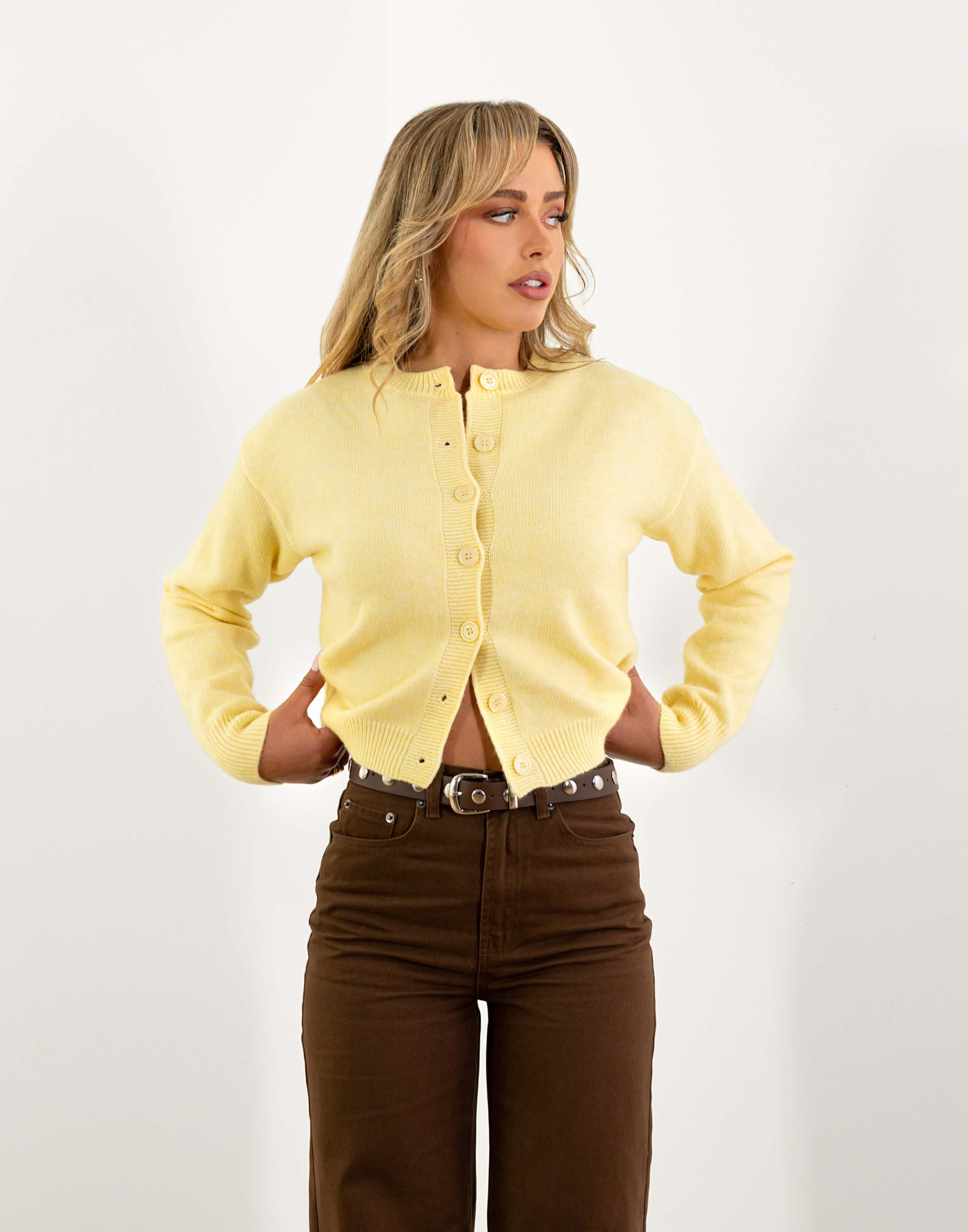
Shape matters as much as weight. A relaxed layer gives a simple base a softer outline; a neater layer can bring definition to an easy dress or skirt. The Kylie Cardigan is one example to consider when planning a cardigan-led combination. Treat any pictured styling as inspiration rather than a requirement: your own base, preferred buttoning, and accessories will shape the final outfit.
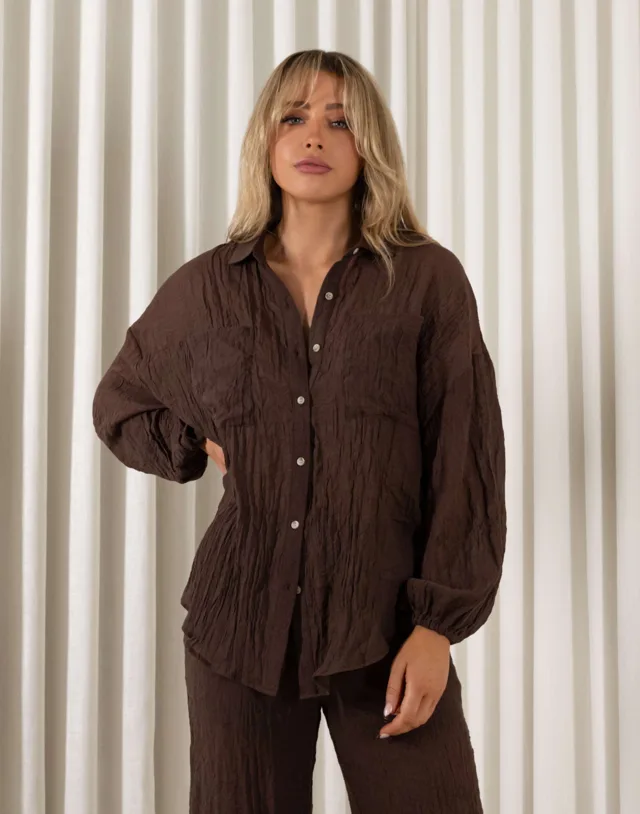
For an airy shirt-layer approach, an option such as the Helena Shirt can suggest a different kind of pairing. Wear a shirt as the visible top, or leave it open over a simple base if that suits the day. When trying a new combination, move around in it and check that the hem and sleeves sit comfortably both open and closed.
Balance proportions without overthinking them
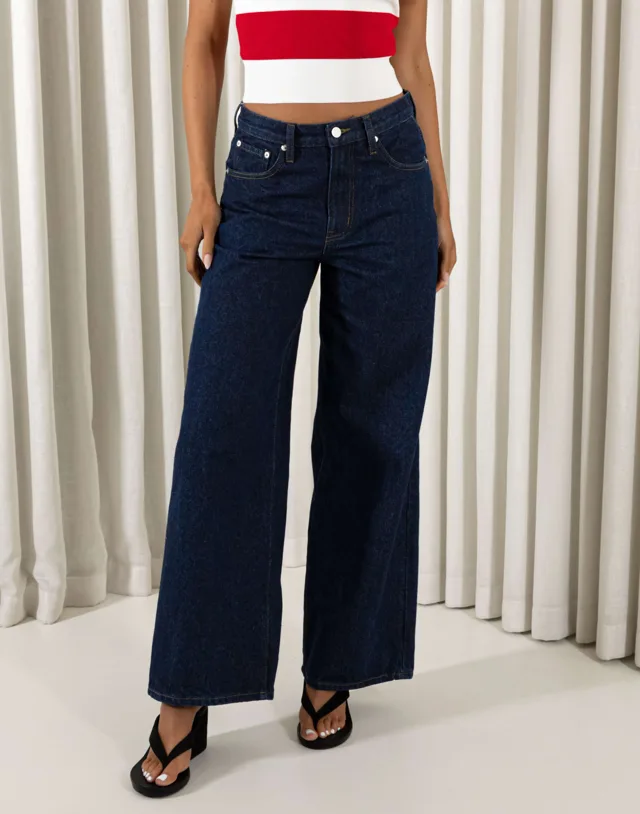
When a layer adds volume, create contrast somewhere else if that feels right to you. A relaxed shirt or cardigan can pair with a straighter lower half; a flowing skirt may feel balanced with a more defined top. These are styling options, not rules. The useful question is whether the overall outline feels comfortable and intentional to you, rather than whether each piece follows a fixed formula.
Length is another easy point to test. Compare where the top, layer, and bottom hems fall when worn together. A layer that ends near the same point as a tunic or skirt can create a strong horizontal line; changing the length, leaving the front open, or using a small front tuck can make the combination feel more varied. Try the outfit with the shoes you expect to wear, because footwear changes the visual balance from head to toe.
If you are choosing between sizes or want to understand garment measurements, use the size guide as one part of your decision. Then consider how you want the piece to sit over the base layer. A closer fit may work well over a fine top, while a roomier shape can be easier to layer over fuller sleeves. Personal comfort and the specific pieces you plan to combine matter more than a label alone.
Let color and accessories do a little work
For a calm outfit, start with a small color story: two neutrals plus one accent, or several tones that already feel connected in your closet. A light layer can blend with the base for an uninterrupted look, or stand apart as the outfit’s focal point. If a bright color feels like a lot to wear across a full outfit, use it in one piece and keep the surrounding garments simple.
Accessories can help a layered look feel complete without adding another clothing layer. A belt can clarify the waist over an open cardigan or shirt, as long as it stays comfortable when you sit. Earrings or a necklace can draw attention to the neckline, while a bag gives you a practical place to carry a layer after taking it off. Choose accessories with the day’s activities in mind so they complement rather than complicate the outfit.
For especially sunny plans, consider the comfort of your whole outfit, including footwear and anything you may carry. Keep the styling flexible: accessories are easy to change if your plans shift, and they can refresh familiar basics without making the outfit feel overworked.
Care for layers according to their fabric
Because a removable layer may come on and off through the day, it helps to keep it easy to handle. Check the care label before washing, drying, or pressing a garment; fiber content and construction can affect what it needs. Avoid assuming that two tops that look similar should receive identical care. If a piece needs gentle handling, follow its label and allow time for appropriate drying before packing it away.
After wearing a layer, let it air briefly if that is suitable for the garment, then fold or hang it according to its shape and care instructions. A soft knit may benefit from careful folding, while another piece may keep its shape better on a hanger. These small habits can make it easier to find a layer in good condition when the next change in temperature arrives.
Build a flexible outfit decision
Use a quick three-part check when getting dressed: What will I wear as my comfortable base? Which single layer could help during the coolest part of the day? Where will I put that layer if I take it off? If you can answer all three, you have a practical starting point for Tucson layering. Choose shoes and accessories after those decisions, then make a final comfort check before heading out.
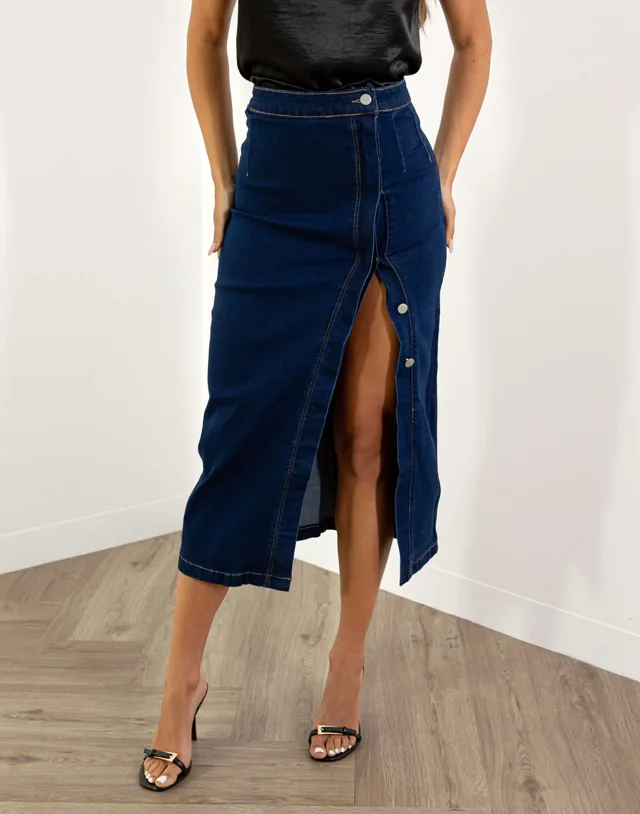
Keep a few combinations in mind rather than treating each day as a new puzzle. A base top with a cardigan, a relaxed shirt over a simple outfit, and a light layer with a skirt can each serve different plans. Adjust the pieces as temperatures and schedules change, and trust your own preference for coverage and ease. The smartest seasonal outfits are the ones that adapt simply—and still feel like you.
Find a piece to make it your own.
Explore the current collection and ask us about the fit, details or availability of any style.
Explore Tops & shirts