A small getaway can call for several kinds of dressing: a comfortable travel look, daytime exploring, a relaxed meal, and perhaps one more polished plan. Instead of packing an outfit for every possibility, build a travel capsule from pieces that combine easily. The goal is not to make every look identical; it is to give yourself enough variety without filling your bag with items that only work once.
Start with the trip you are actually taking. Consider the length, likely weather, activities, and luggage space, then choose a compact group of clothes that can shift between them. A little planning before you pack makes it easier to get dressed when you arrive—and leaves room for the unexpected.
Begin with the itinerary, not the suitcase
Write down the occasions you expect, rather than assigning a fresh outfit to every day. A two-night trip might include a travel day, a full day out, and an evening plan. Those are three settings, but they may not require three separate outfits. A top worn under a light layer on the way there could work with a different bottom the next morning.
Note the practical details that affect clothing choices: time outdoors, air-conditioned spaces, walking plans, and whether you will have an easy chance to change. Check the forecast close to departure, but leave a little flexibility for shifting conditions. If a special event is central to the getaway, plan for it first. Let the rest of the capsule support that look, rather than packing several “just in case” alternatives.
Choose a small, coordinated color story
Pick two or three main colors that already feel natural together, then add one accent if you want a little contrast. Neutrals can make mixing straightforward, but your palette does not have to be all black, white, and beige. Muted color, denim, or a favorite print can anchor a capsule just as well when the other pieces relate to it.
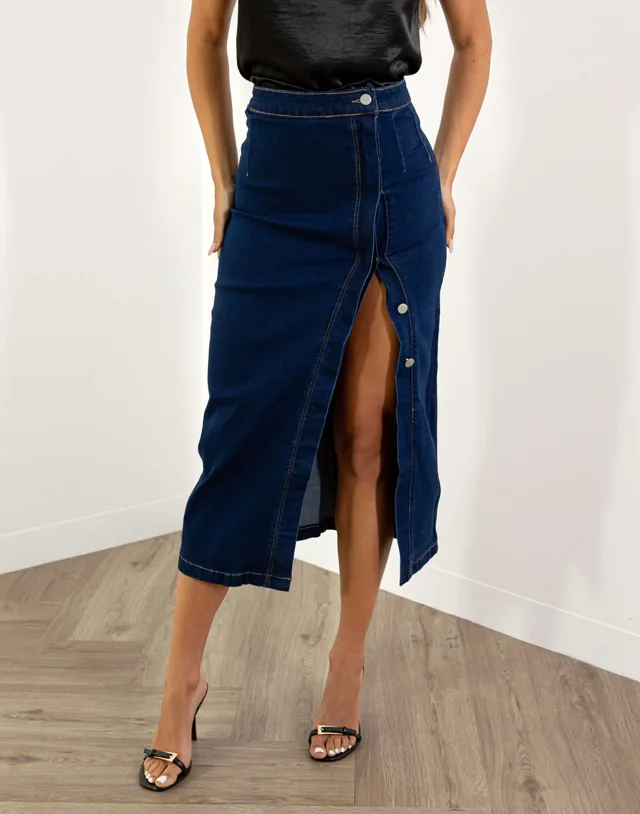
Lay potential items together before they go into the bag. A useful test is whether each top works with at least two bottoms, and whether your chosen layer can sit comfortably over more than one outfit. If a piece needs a very specific companion, decide whether that one look is worth the space. For another option to consider, browse the Bottoms collection and think about how a chosen silhouette fits into the rest of your palette.
Build around repeatable outfit formulas
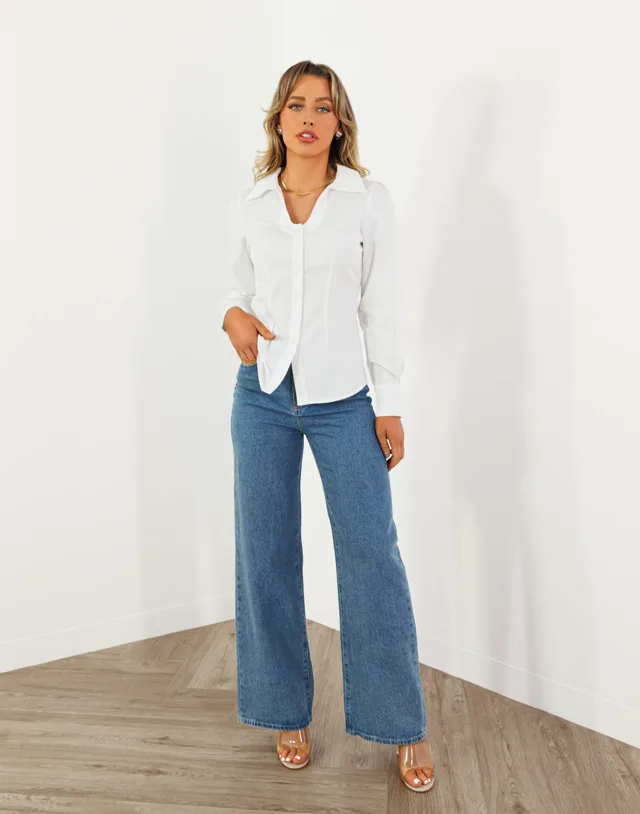
Rather than packing a stack of complete looks, choose a few formulas you can repeat with small changes. For example: a relaxed top with jeans, a neat knit with a skirt, or a simple base layer under an open shirt. Repeating a formula does not mean repeating the same appearance. Changing the top, shoe, or accessory can shift the mood while keeping the pieces familiar.
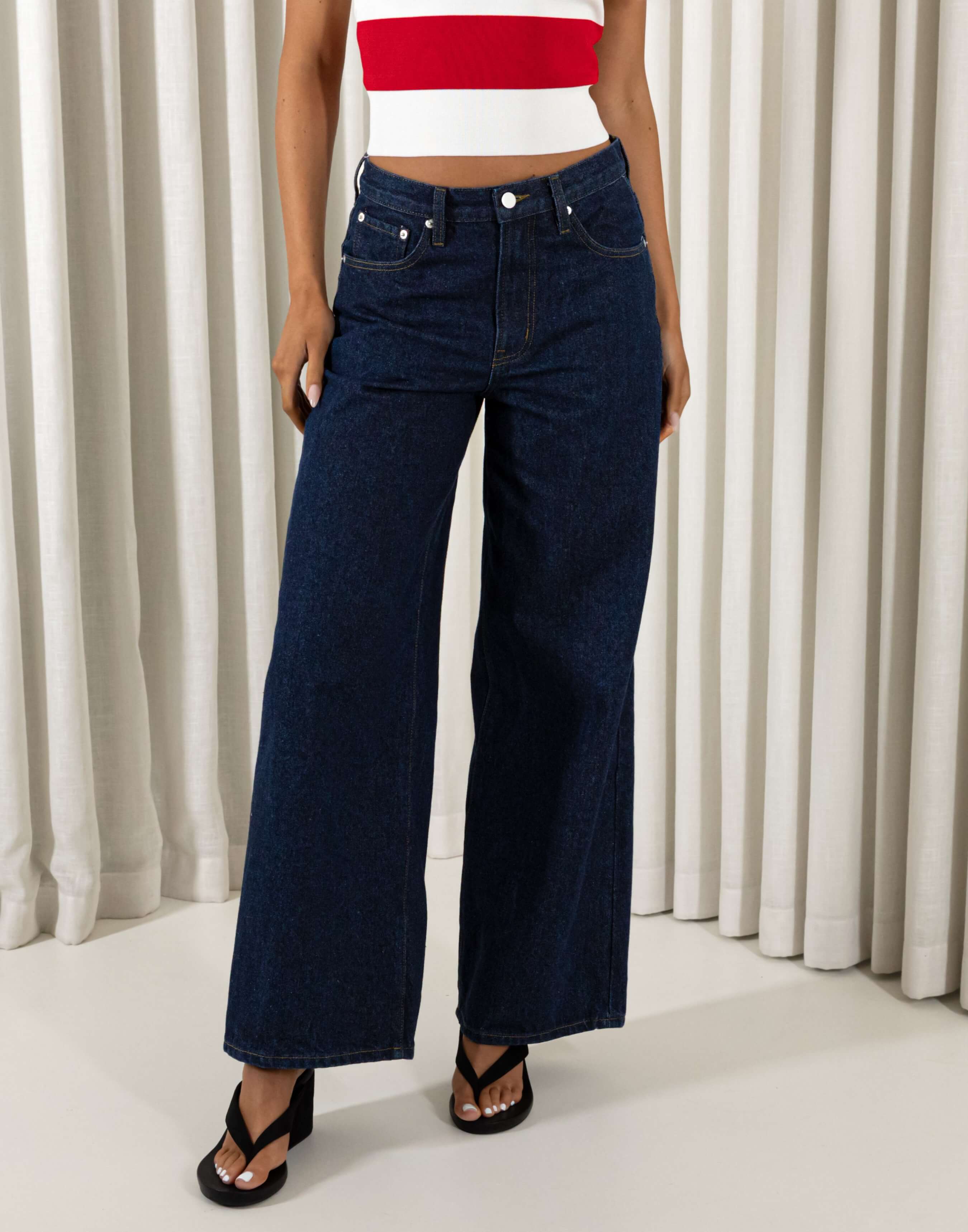
Proportion helps these combinations feel considered. If one piece is wide or flowing, try balancing it with a more defined top or a clean tuck, if that feels comfortable. With a shorter or closer-fitting top, a roomier bottom can create a different shape. These are options, not rules; a full, relaxed silhouette can be just as intentional when the lengths and layers feel right to you. The Tanner Wide Leg Jeans can serve as a reference point when planning outfits around a wider-leg denim shape.
Pack layers that earn their space
A light layer is often more useful than another standalone top. A cardigan, overshirt, or easy jacket can add warmth, soften a sleeveless outfit, or make a simple base feel more finished. Choose one that works with several pieces and is comfortable enough to wear during travel. If the destination may be cool in the evening, a compact layer can be more practical than packing a second heavy option.
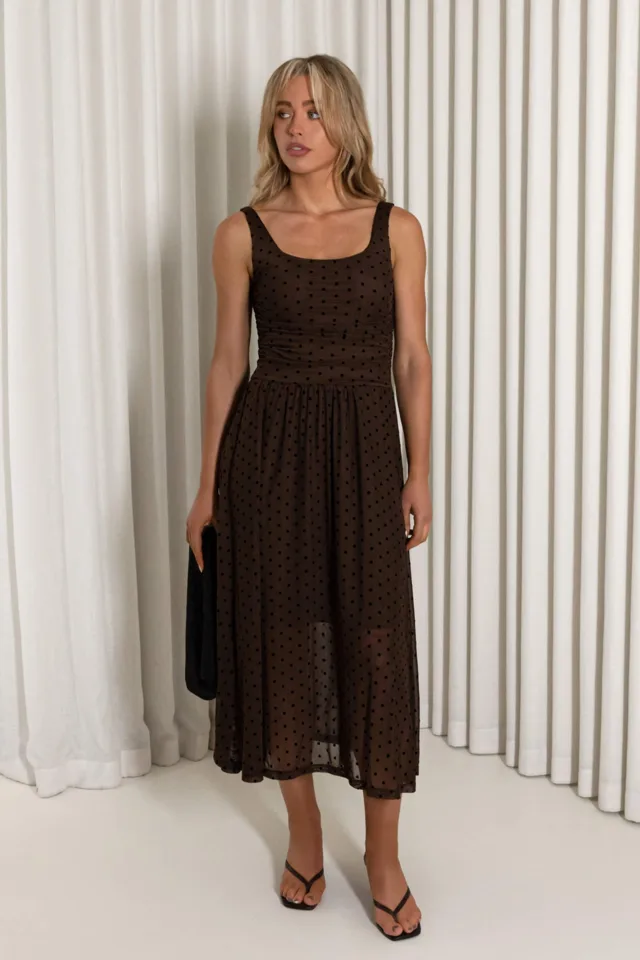
Think about how layers affect the overall line. An open layer creates a vertical frame; a shorter one may bring attention to the waist or the rise of your bottoms. Try the combinations at home and check them seated as well as standing, especially if you expect a long journey. If you plan to include a skirt, test it with the shoes and layer you are bringing. The Carolyn Lace Skirt offers one example of a skirt that could inspire a dressier combination, depending on your plans and styling preferences.
Choose shoes and accessories with intention
Shoes take up space, so choose pairs that support distinct needs rather than similar roles. One comfortable pair for most daytime plans and another option for a more polished look may be enough for a short getaway. Wear the bulkier pair in transit when that makes sense, and make sure every pair works with more than one outfit. If your plans involve a lot of walking, prioritize the shoes you already know suit your own routine; do not rely on an untested pair to rescue a capsule.
Accessories can create variety without adding much bulk. A belt can change the finish of an outfit, while earrings or a compact scarf can add color near the face. Keep the selection edited: choose items that coordinate with the palette and that you will genuinely reach for. A bag should suit the day’s plans and hold your essentials, but it need not be packed with backup accessories for every possible look.
Let fabric and care guide the final edit
Before packing, consider how each fabric behaves when folded, worn, and refreshed. Some pieces may crease more readily than others; rolling or folding can help organize them, but neither method guarantees a wrinkle-free arrival. Keep delicate details from snagging against zippers or rough accessories, and use a separate pouch for small items that might catch on clothing.
Think through care needs, too. If an item needs special handling or would be difficult to refresh during your trip, decide whether it earns a place in the capsule. Pack a small amount of any garment-care supplies you already use, if appropriate, and leave space for clothes to breathe rather than compressing everything as tightly as possible. The aim is to arrive with options that are easy to reach and pleasant to wear.
Use a flexible final check before you zip the bag
Lay out every piece and make complete combinations. Count how many outfits each item supports, then remove anything that has no clear role. That does not mean every garment has to work with everything; it should simply connect to enough of the capsule to justify its space. Try each intended outfit with its shoes and layer, so a missing finishing piece does not become a last-minute surprise.
Finally, leave room for personal preference and changing plans. You may want one item because it makes you feel especially like yourself, even if it is not the most versatile piece. Keep it if it serves the getaway you are taking. A successful capsule is compact but not rigid: a few thoughtful combinations, a layer or two, and accessories that help familiar pieces feel fresh. With that approach, capsule wardrobe packing becomes less about following a formula and more about bringing the right choices for your own trip.
Find a piece to make it your own.
Explore the current collection and ask us about the fit, details or availability of any style.
Explore Bottoms