A good weekend packing list is less about fitting a certain number of pieces into a bag and more about making each piece useful. When tops, bottoms, and layers work together, you can get dressed without packing a separate outfit for every plan. The result is a small travel wardrobe that still feels varied: comfortable for the journey, ready for a walk or brunch, and polished enough for dinner.
Start with the actual shape of your trip. A two-night visit with one planned dinner calls for different choices than a weekend spent outdoors or moving between destinations. Check the expected conditions, consider how much time you will be inside or outside, and note any dress codes. Then build a flexible capsule wardrobe around those needs rather than packing for every imagined possibility.
Choose a simple color palette
Pick two or three main colors that already feel natural together, then use one accent if you want a little contrast. For example, dark bottoms, a light neutral top, and a colored layer can create several combinations without making the suitcase feel visually busy. The exact colors matter less than whether you can pair each top with more than one bottom.
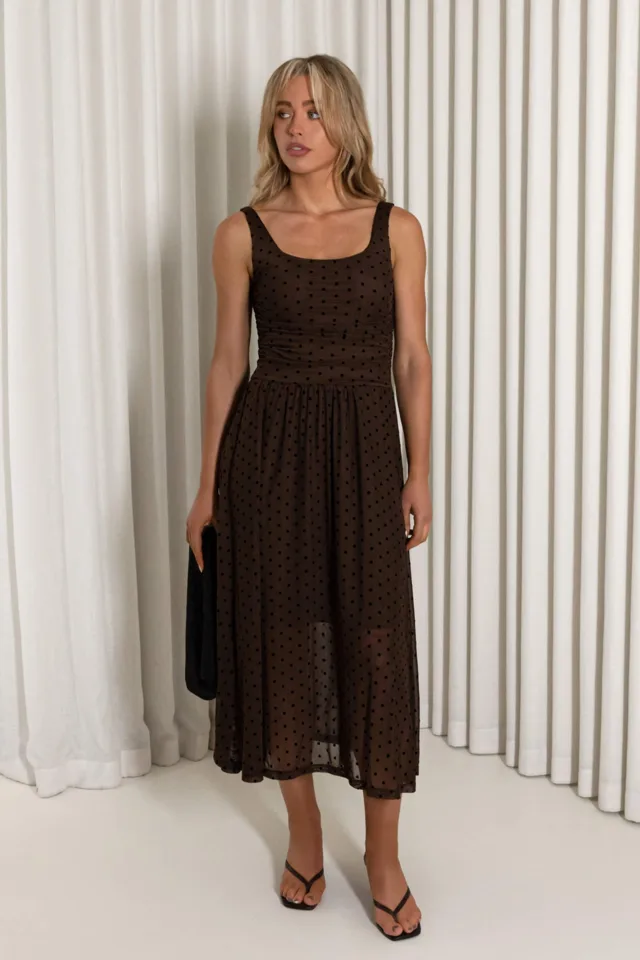
Lay the pieces together before packing. If a top only works with one specific skirt or trouser, decide whether that pairing earns its space. A patterned item can add interest, but it is easiest to repeat when at least one of its colors appears elsewhere in the palette. Keep shoes and bags within the same plan when possible, so accessories do not force you to bring extra clothes.
Build around two dependable bottoms
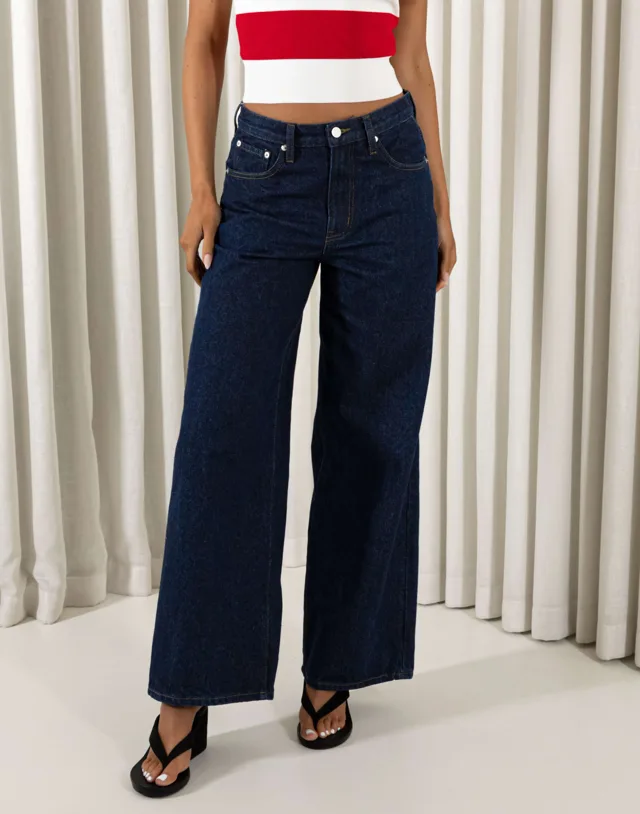
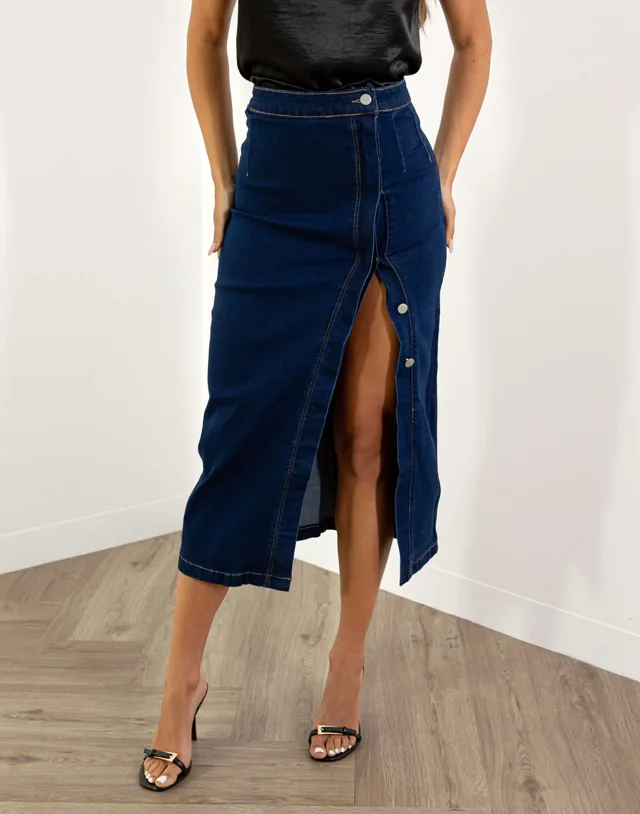
For many weekend plans, two bottoms provide a useful starting point: one comfortable option for travel and daytime, and another that can shift toward a dinner or a more dressed-up outing. This might mean a relaxed trouser with a skirt, or jeans with a softer, more polished alternative. Choose shapes you can sit, walk, and move in comfortably for the activities you expect.
Consider proportions as you make the pairings. A fuller or longer bottom may feel balanced with a closer-fitting or shorter top, while a roomy top can work well with a straighter bottom. These are options, not rules; the aim is to create a silhouette you like and can wear with ease. Try each combination in a full-length mirror, including the shoes you plan to bring, before deciding it belongs in the bag.
Pack tops that change the mood
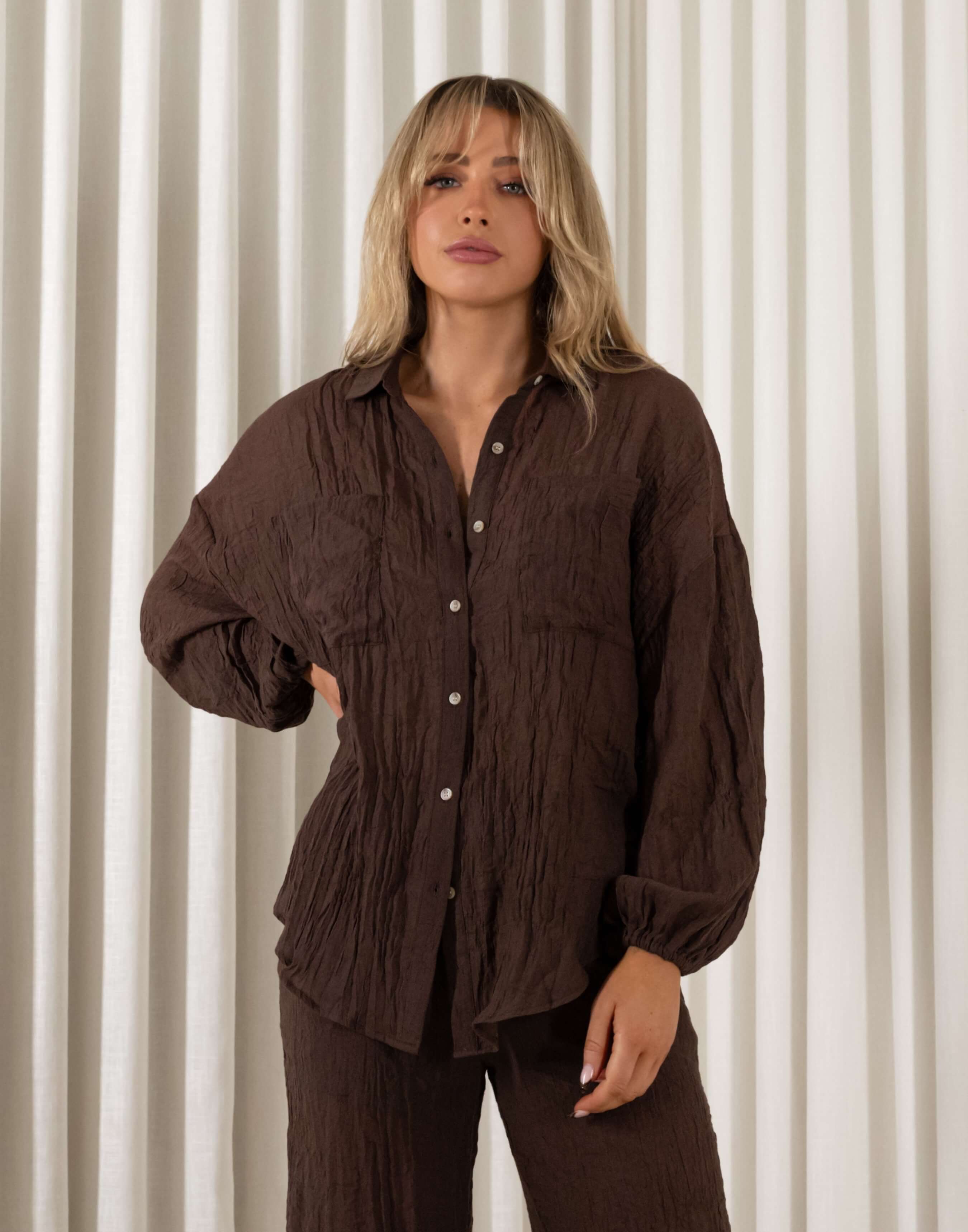
Choose tops that each have a slightly different role. A simple top can serve as a reliable base, while a button-front style can be worn closed, open over another layer, or partially tucked. A longer top may offer a different line with a slimmer bottom. If you are comparing silhouettes, browse the Tops collection for ideas, then select pieces that fit your own plans and preferences.
For instance, the Sophie Oversized Shirt can be considered as a roomy top or an open layer, depending on the rest of an outfit. A Lauren Button Top gives you another kind of button-front option, while a Mercy Longline Top may suggest a longer proportion to try with a narrower bottom. Treat product names as starting points for outfit planning, and check the details and measurements provided for any item you are considering.
Make layers earn their place
A layer is most useful when it works with several outfits and suits the likely conditions. Depending on the forecast, that could be a light shirt worn open, a cardigan, or a compact outer layer. Wear your bulkiest layer during the journey if that is comfortable, rather than using valuable bag space for it. Keep in mind that air-conditioned interiors, breezy evenings, and changing plans can make a flexible layer handy even when daytime feels warm.
Try the layer over each top before packing. Check whether the sleeves sit comfortably and whether the hem works with both bottoms. If the combination feels awkward, a different layer may be more versatile. Do not pack multiple pieces that all solve the same problem unless your itinerary genuinely calls for them.
Plan travel outfits, not just destination looks
Your travel outfit should make the first and last parts of the trip easier. Choose pieces that let you sit comfortably and can be reused during the weekend if they remain fresh. A soft top, a practical bottom, and a layer you can take off or put on give you options as conditions change. If you expect to arrive straight at an activity, make sure the outfit is suitable for that plan too.
Before you pack, map out combinations on paper or on your phone: travel day, daytime outing, alternate daytime look, and dinner. You do not need a separate garment for every line. One bottom might work with two tops, and a single layer can shift both outfits. If a plan changes, adjust the combination rather than reaching for a backup outfit you packed “just in case.”
Keep shoes and accessories focused
Shoes can take up more room than small clothing pieces, so choose them according to the activities you will actually do. One comfortable pair for walking is a sensible anchor; add a second only if it serves a distinct purpose, such as a dressier dinner or a particular event. Try each pair with the outfits you have planned, and avoid bringing shoes that work with only one unlikely combination.
Accessories can make repeated pieces feel different without adding much bulk. A belt, simple jewelry, or a small scarf may change the impression of a familiar outfit, while a bag that works from day to evening can simplify the list. Pick a few that coordinate with the palette and leave the rest at home. If an accessory is delicate or easy to tangle, pack it in a small pouch rather than loose among other items.
Pack with fabric and care in mind
Think about how each fabric behaves during travel. Some pieces may crease more readily than others, and a garment that needs special care may be inconvenient for a short trip. Check care instructions before packing, especially if you plan to rewear an item. Folding along seams or rolling softer casual pieces can help keep the bag organized, but follow the garment’s care guidance and avoid compressing delicate details.
Set aside a small amount of room for laundry or a worn layer, and keep a simple bag for clothes that need washing. If a piece is likely to need attention after one wear, decide whether it is worth packing for this itinerary. A flexible weekend wardrobe works best when the pieces suit both your plans and the way you want to care for them.
Use a final mix-and-match check
Lay out every planned item and count the outfit combinations you can make. Aim for each top to work with at least two bottoms when practical, and make sure the layer fits more than one look. Remove duplicates, then reconsider anything that depends on an accessory or shoe you are not otherwise bringing. If you are choosing between sizes or want to review measurements, consult the size guide before finalizing your selections.
Finally, leave a little flexibility. A weekend packing list should support your plans, not dictate them. Keep the pieces you enjoy wearing, account for the forecast, and let a few well-chosen combinations do the work of a much larger suitcase. When the wardrobe mixes easily, getting dressed becomes one less decision to manage while you are away.
Find a piece to make it your own.
Explore the current collection and ask us about the fit, details or availability of any style.
Explore Tops & shirts