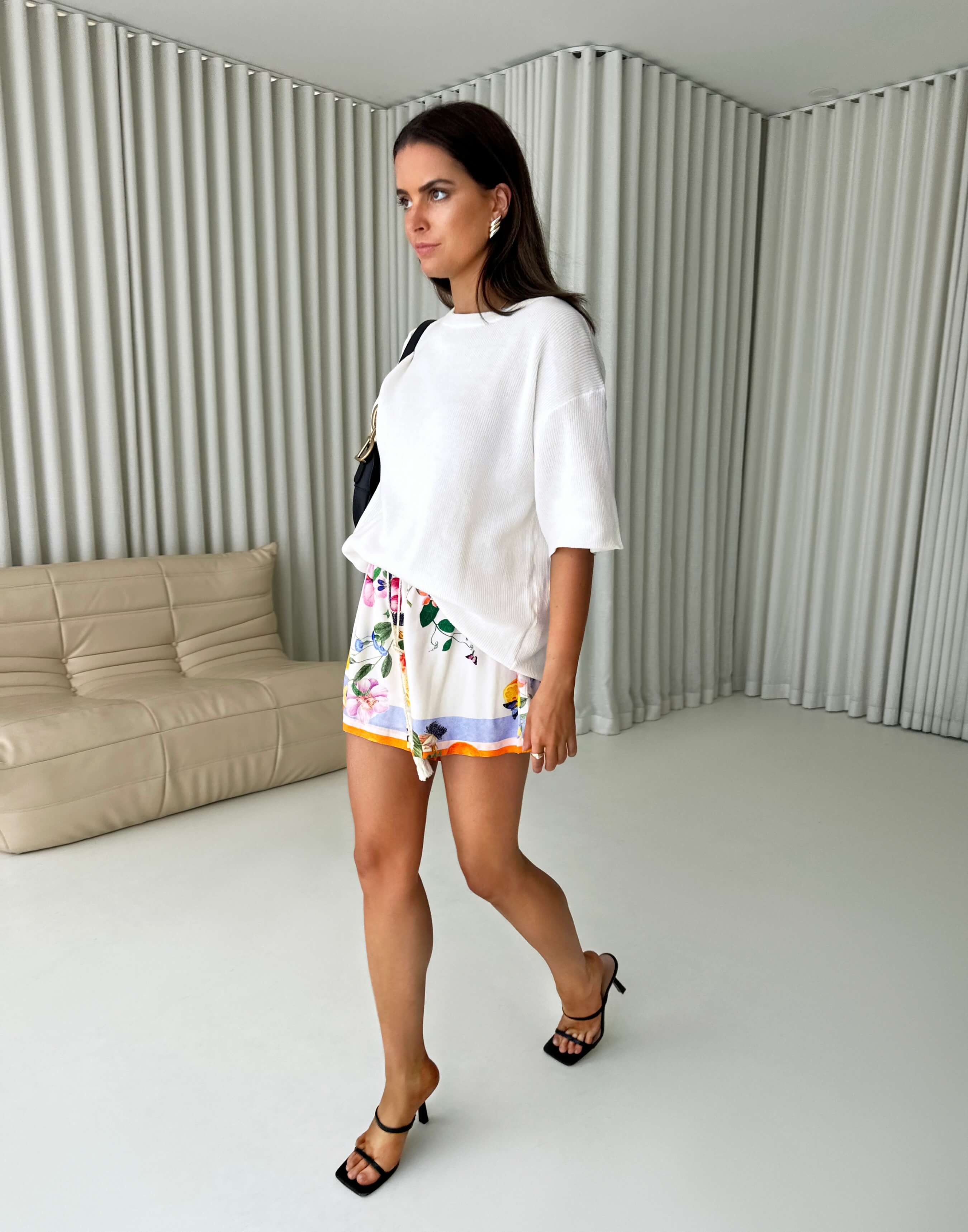
Relaxed pants offer room to move and a little breathing space in an outfit, but that ease does not have to look accidental. The key is to make a few deliberate choices around proportion, structure, and finishing details. You do not need a complicated formula: begin with the pants, notice where their volume sits, then choose pieces that give the outfit a clear shape.
Whether you are dressing for a casual workday, a weekend outing, or a simple dinner plan, thoughtful pants styling can make a comfortable silhouette feel considered. Treat the suggestions below as options rather than rules. The best combination is the one that suits your plans, feels comfortable to wear, and looks like you.
Start by noticing the shape
“Relaxed” can describe several different silhouettes. Some pants sit high at the waist and fall in a wide line; others have more room through the thigh with a straighter leg. Before adding a top, look at where the waistband sits, how much fabric gathers or drapes, and where the hem lands with your usual shoes. Those details determine what will balance the outfit.
If the legs are especially full, a closer-fitting or neatly tucked top can make the waistline visible. If the pants are straighter and less voluminous, a roomier shirt or lightweight knit may work just as well. You can explore options in the Bottoms collection and compare silhouettes rather than assuming every relaxed cut needs the same styling.
It can also help to try the pants with more than one shoe. A hem that looks intentional with a flat may sit differently with a boot or heel. Check the full outfit from the front and side, then make a small adjustment—such as a cuff or a different shoe—if the proportions feel unfinished.
Choose a top that gives the outfit direction
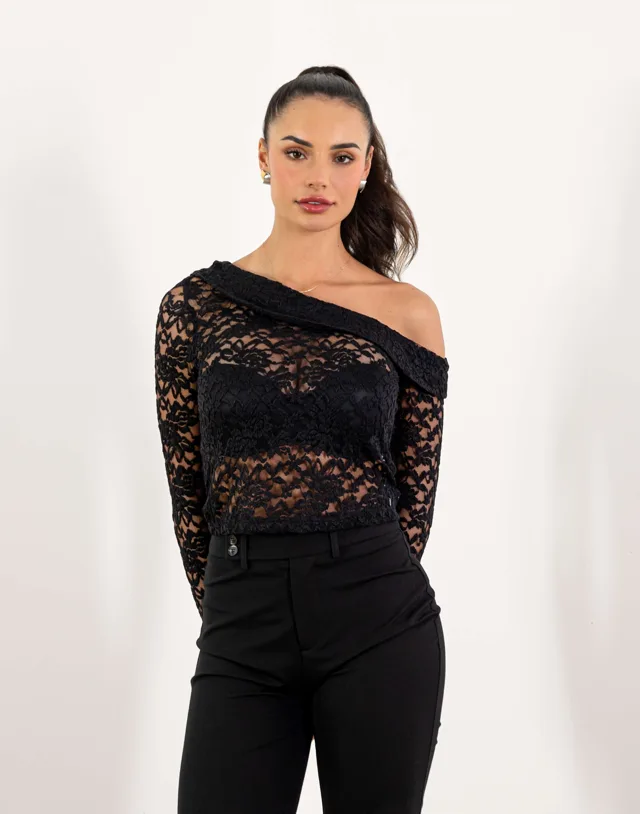
A simple top is often the easiest partner for relaxed pants. A fitted tee, fine-gauge knit, or smooth sleeveless top creates contrast with a generous leg. That contrast does not mean the top must be tight; it can simply have a cleaner outline or lighter visual weight than the pants.
For more definition, tuck in the whole top or just the front. A partial tuck reveals the waistband while keeping a casual feel. If you prefer a top worn untucked, look at where its hem ends. A shorter hem or a side slit can keep the waist and leg line from disappearing beneath too much fabric.
You can also make a loose-on-loose combination work by giving it one clear point of structure. Roll the sleeves, open the collar, add a belt, or choose a top with a defined shoulder seam. A tonal outfit can look especially cohesive when the silhouettes vary: for example, a fluid shirt with a crisp waistband, or a soft knit with a clean, straight leg.
Use layers to add structure, not bulk
Layers make a relaxed pants outfit adaptable across changing temperatures and plans. A cropped jacket, a blazer that finishes around the hip, or a tidy cardigan can add a frame without hiding the pants. If you reach for a longer layer, leave it open or choose one that moves easily so the outfit keeps a visible vertical line.
Consider the fabric weight of each piece. A substantial jacket over a heavy knit and full pants may feel crowded, while a lighter shirt jacket or unlined layer can keep the combination comfortable. If the pants already have pleats, ties, or noticeable pockets, let one layer stay simple rather than adding detail at every point.
Layering is also a practical way to shift the mood. A blazer and loafers make casual tailoring feel more composed; a denim jacket and simple sneakers take the same pants in a relaxed direction. Browse the Nigel Denim Pants as one example of a denim option to consider when you want to build around a different texture.
Let shoes set the pace
Shoes can change the character of relaxed pants quickly. Sneakers keep the look easy, while loafers or flats give it a slightly sharper finish. A boot can add visual weight that balances a wide leg, and a low heel may lengthen the line without making the outfit feel formal. Choose according to the day and the way you want the hem to sit.
Pay attention to the relationship between shoe and hem. If the fabric pools heavily, a small cuff or a different shoe may make the finish look more deliberate. If the pants are cropped, the shoe becomes more visible, so its color and shape can either blend with the outfit or provide a purposeful contrast.
There is no need to match every accessory to your shoes. Instead, repeat one color, finish, or level of formality elsewhere: a belt that relates to a bag, a simple metal detail echoed in jewelry, or a clean shoe paired with a crisp top. One connection is usually enough to make the pieces feel considered.
Keep accessories edited and useful
Relaxed pants already bring movement and ease, so accessories can clarify the look rather than compete with it. A belt can emphasize the waist and give a tucked top a finished edge. A compact bag, understated earrings, or a watch can add polish without making a casual outfit feel overdone.
Think about what your outfit needs. If the colors are simple, one noticeable accessory can provide interest. If the pants have a drawstring, pleats, or a distinctive surface, keep the rest quieter. A scarf can introduce color near the face; a longer necklace can add a vertical detail over a plain top. Choose one or two ideas and see whether they improve the balance.
Comfort matters here, too. Make sure a belt sits comfortably when you sit, and consider whether a bag works for the length of your day. Useful details are part of good styling: they help the outfit feel prepared without turning getting dressed into a project.
Dress the same pants for different plans
For a low-key daytime outfit, pair relaxed pants with a clean tee, a light layer, and comfortable flats or sneakers. For a more polished setting, swap in a shirt or fine knit, add a belt, and choose loafers or a refined boot. If you are heading out in the evening, a simple top with a more defined neckline and one intentional accessory can shift the mood without changing every piece.
Color can help guide the choice. A neutral base gives you room to add a brighter top or accessory, while a patterned or strongly colored pair may feel best with a quieter companion. You can also build an outfit in neighboring shades for a calm, cohesive effect. Let the occasion set the level of polish, then adjust the top, layer, and shoes instead of treating the pants as a one-use item.
When comparing cuts or planning a look, the Ramos Relaxed Pants offer a specific relaxed-pant option to consider, while the Tucker High Waist Pants give you another silhouette to explore. For help checking measurements before making a choice, refer to the size guide.
Care for the fabric and refine the fit
Fabric affects how a relaxed silhouette hangs and how much care it needs. Follow the garment’s care label, and avoid assuming that all pants can be washed, dried, or pressed the same way. If a fabric creases easily, hanging the pants neatly after wear and using an appropriate low-heat or steam method may help refresh their appearance; check the label first. For delicate materials, take a gentler approach.
After dressing, take a moment to check the waistband, pockets, and hem. Smooth any fabric caught under a belt or bag strap, and make sure the hem falls as intended with your chosen shoes. If the outfit feels too loose overall, change one element first: tuck the top, add a defined layer, or switch to a cleaner shoe. If it feels too formal, remove a structured piece or choose a more casual accessory.
That small decision process keeps relaxed pants versatile: observe the silhouette, balance the volume, choose a layer and shoe for your plans, then edit the details. Casual tailoring is less about making comfort look strict and more about showing that every piece belongs. With a few thoughtful adjustments, an easy pair of pants can feel ready for the day without losing what makes it comfortable.
Find a piece to make it your own.
Explore the current collection and ask us about the fit, details or availability of any style.
Explore Bottoms