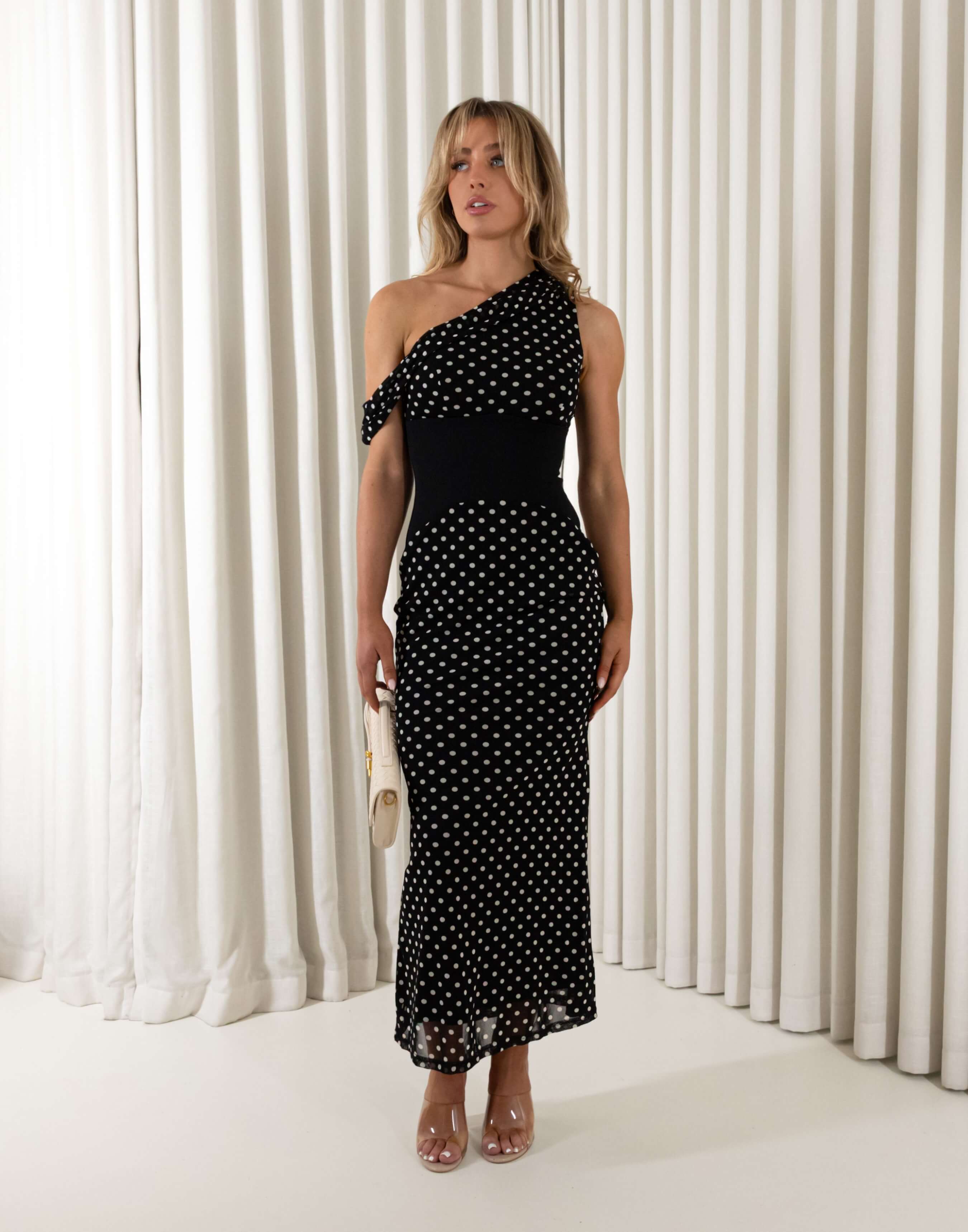
A polka-dot dress arrives with its own visual rhythm: dots repeat, spaces between them create contrast, and the dress silhouette adds another layer of shape. The easiest way to style it is not to quiet every detail, but to decide what deserves attention first. Let the pattern lead, then choose supporting pieces that make the outfit feel intentional and comfortable for the day ahead.
That approach works whether the dots are tiny and subtle or large and graphic. Start with the dress itself, notice where its pattern is most prominent, and build around its colors and proportions. A few clear choices usually do more than a pile of accessories.
Read the scale and contrast of the dots
Before choosing shoes or jewelry, take in the print from a little distance. Small dots can read almost like texture, while larger dots make a bolder statement. High contrast, such as dark dots on a pale ground, tends to feel crisp; closer tones can look softer. Neither effect is better. The useful question is how much visual energy you want the outfit to carry.
For a high-contrast print, keep nearby pieces simple in shape and color. A solid shoe, a clean bag, or a light layer can give the eye a place to rest. If the dots are fine or low contrast, you might introduce a more noticeable accessory, such as a textured belt or a colorful shoe, while still keeping the dress recognizable as the focus. Consider the Maddox Polka Dot Dress as one place to begin exploring this kind of print-led outfit.
Let the silhouette guide proportions
Pattern is only part of the picture. A fuller skirt already has movement, so a neat, shorter jacket or a close-fitting cardigan can help define the waist without adding a second large shape. With a straighter or more streamlined dress, a longer open layer can create an easy vertical line. These are starting points, not rules; the goal is to keep the overall outline feeling balanced to you.
Pay attention to where layers end. A jacket that stops near the waist can emphasize that area, while a hip-length layer may feel more relaxed over a simple dress. If you add a belt, check that it sits comfortably and does not bunch the fabric or interrupt a detail you want to show. When comparing silhouettes, browsing the Dresses collection can help clarify whether you prefer a more defined shape or a looser line.
Choose shoes for the pace of the day
Shoes can shift a polka-dot dress from casual to dressed up without changing its character. Flat sandals, simple sneakers, or low-profile loafers make sense for a daytime plan when you expect to be moving around. A ballet flat or a modest heel can bring a more finished feeling, while a sleek sandal may suit an evening setting. Think about the ground you will cover and how long you will be on your feet, as well as the outfit’s visual balance.
Color offers an easy decision point. A shoe that repeats a color already in the dress feels connected; a neutral shade can recede and leave more attention on the dots. If you choose a bright or metallic shoe, let it be the clear accent rather than adding several competing statement pieces. The most successful dress outfit ideas are often the ones that suit the actual occasion, not an imagined one.
Keep accessories in a supporting role
Pick one or two accessories to do the work. A compact bag, uncomplicated earrings, or a delicate necklace can finish the outfit without making the pattern feel crowded. If the neckline is already a strong feature, earrings may be enough. If the dress has a simple neckline, a necklace can add interest, but check that its shape and length sit comfortably against the print.
Texture can add dimension without introducing another pattern. Smooth leather, woven materials, or understated metal details each bring a different finish. If you want to mix prints, look for a deliberate relationship in scale or color rather than choosing two patterns of equal intensity. For a first attempt at print styling, a solid accessory is the more straightforward choice; you can always add complexity later.
Use layers to adapt the outfit
A layer makes a printed dress more flexible across settings and changing temperatures. A denim jacket gives a relaxed impression, while a simple blazer can create a sharper outline. A cardigan feels softer and can be easy to remove or carry. Choose a layer that does not hide the feature you like best, whether that is the neckline, sleeves, waist, or skirt.
For an evening change, try swapping a casual layer for a cleaner jacket, then simplify the bag and adjust the shoes. You do not need to rebuild the outfit from scratch. The Crystal Midi Dress offers another dress silhouette to consider when thinking about how movement and length shape an outfit. For a shorter option, the Andrews Off Shoulder Dress can prompt a different approach to neckline, layers, and accessories.
Make comfort part of the styling plan
Before settling on a combination, sit, walk, and move your arms in it. Check whether a bag strap catches on a sleeve, whether a belt stays comfortable, and whether a layer shifts when you move. These small checks help you decide what to keep before you leave. If you are choosing between sizes, consult the size guide for the available guidance, then consider how you prefer a dress to sit and what you might layer beneath it.
Care is part of keeping a printed piece looking considered. Read the garment’s care label rather than assuming every fabric can be washed or pressed the same way. When ironing is appropriate, follow the label and use care around printed areas; avoid unnecessary heat. Store the dress in a way that prevents snags and heavy creasing, especially if it has details that could catch on other garments.
A simple decision process for a finished look
When an outfit feels unfinished, pause and make choices in order: identify the print’s scale and contrast, decide which part of the silhouette to emphasize, and choose shoes suited to your plans. Add one layer if useful, then finish with a bag and one or two accessories. If the result feels busy, remove one accent before adding something new.
That flexible process leaves room for personal taste. A polka-dot dress can feel playful with flat shoes, polished with a structured layer, or evening-ready with a pared-back accessory and a dressier shoe. There is no single correct formula. Let the dots remain the most memorable part, and use each supporting detail to make the dress feel like yours.
Find a piece to make it your own.
Explore the current collection and ask us about the fit, details or availability of any style.
Explore Dresses