A lace top can bring texture and a little polish to an outfit without making it feel reserved for special occasions. The key is to give the lace a setting: relaxed denim and simple shoes for daytime, or cleaner lines and more considered accessories for evening. With a few thoughtful choices, one top can work across both parts of the day.
This guide focuses on practical styling rather than strict rules. Lace patterns, necklines, and levels of coverage vary, so consider what your particular top looks like in natural light, how it feels layered, and where you plan to wear it. Then build the rest of the outfit around its texture instead of competing with it.
Start with the lace and the occasion
Before choosing bottoms, notice the visual weight of the lace. An intricate pattern or a statement neckline may already make the top feel dressed up. A simpler lace detail can read more casual, especially when paired with familiar pieces. Neither needs a fixed occasion; the surrounding styling does much of the work.
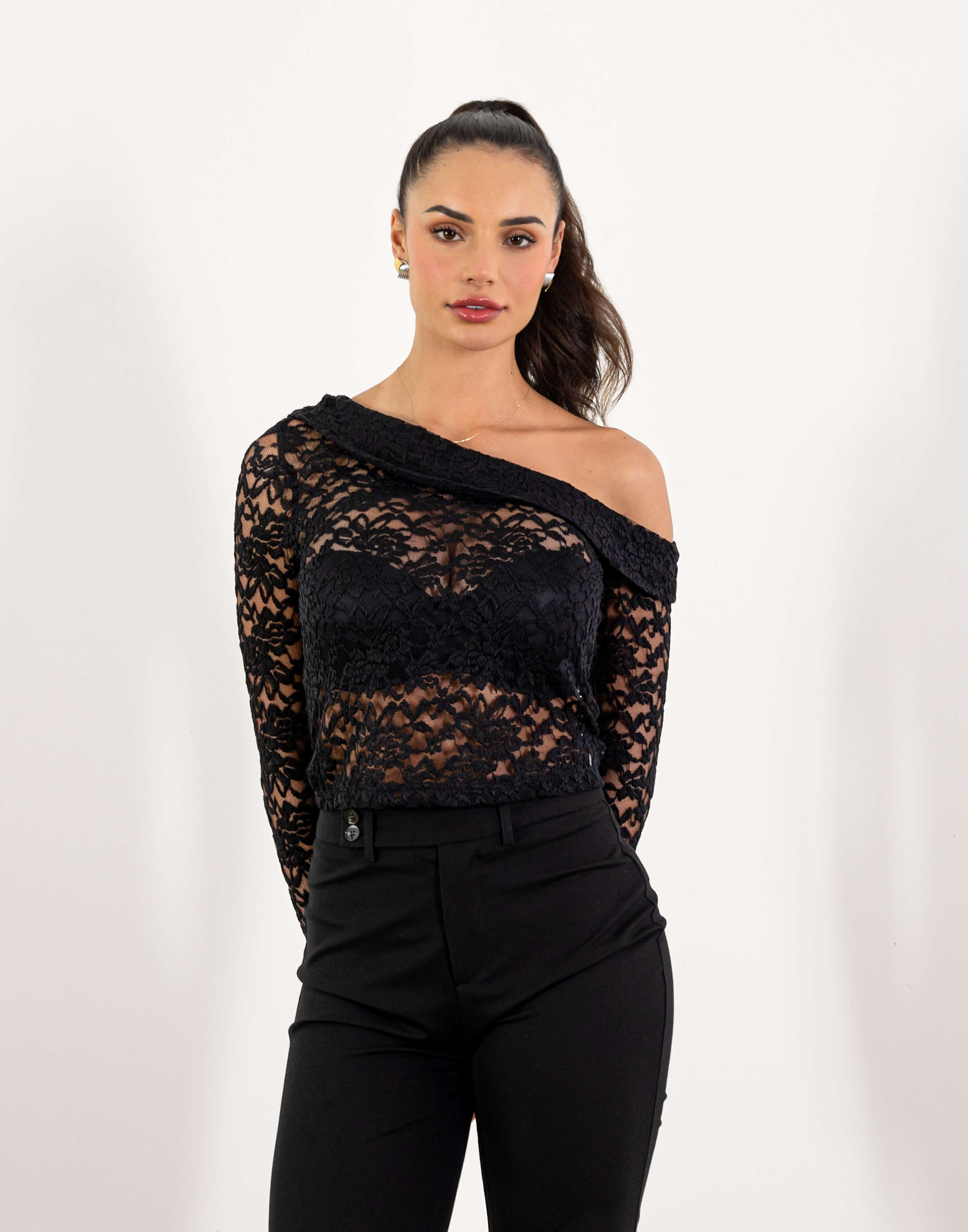
For daytime, aim for ease: breathable-feeling layers, uncomplicated shoes, and a bag that suits your plans. For evening, you can sharpen the silhouette with tailored trousers, a sleek skirt, or a more structured layer. If you want a concrete styling reference, the Jocelyn Top is one lace option to consider. Explore the Tops collection when comparing different shapes and details.
Build a relaxed daytime outfit
Denim is a useful counterpoint to lace because it makes the outfit feel grounded. Try straight-leg jeans with a lace top, then add flat sandals, loafers, or clean sneakers depending on your plans. A partial tuck can define the waist while keeping the look casual; leaving the top untucked may work better when its hem and proportions already feel balanced.
For a softer daytime combination, pair lace with a simple skirt or easy trousers. Keep the other pieces relatively quiet so the lace remains the focal point. A light layer can make the outfit more adaptable: an open shirt, cardigan, or casual jacket offers coverage when the setting or temperature calls for it. Choose a layer that does not pull at the neckline or catch on delicate details.
Think about proportion as you get dressed. If the top is fitted or visually detailed, a more relaxed bottom can provide contrast. If the top has a loose shape, a straighter or more defined bottom may keep the overall outline intentional. These are starting points, not rules; comfort and the way you like the outfit to move matter more than matching a formula.
Shift the same pieces toward evening
A day-to-night style change can be small. Keep the lace top and change the supporting pieces: swap jeans for tailored pants or a streamlined skirt, trade casual shoes for a dressier pair, and choose a smaller or more structured bag. A belt, earrings, or a simple necklace can add definition without making the look feel overworked.
When building evening separates, consider contrast in both texture and shape. Smooth-looking trousers can set off lace, while a clean skirt silhouette lets the top stand out. If the lace already has a strong pattern, limit extra decoration elsewhere. If it is more understated, a noticeable accessory can provide a point of focus. The aim is a clear outfit, not a collection of competing details.
For a quick transition, keep a layer or accessory ready rather than packing a completely different outfit. A tailored jacket can make denim feel more deliberate; switching to a skirt may create a more noticeable change. Choose the adjustment that suits the event and your schedule. There is no need to make the outfit formal simply because evening has arrived.
Choose layers with the neckline in mind
Lace often draws attention to the neckline and shoulders, so check how a layer sits before committing. A jacket with a compatible neckline can frame the top, while an open-front layer may leave its details visible. If you prefer more coverage, look for a layer that rests comfortably rather than compressing or snagging the lace.
Underlayers also affect the finished look. Consider the top’s design, the coverage you want, and the setting. A coordinating camisole or another suitable base layer may help create the effect you prefer; test it in the light where you expect to wear the outfit. Pay attention to straps, seams, and edges that might show through or interrupt the lace pattern. Personal comfort should guide the choice.
When shopping for alternative layering pieces, compare simple shapes that can work beneath or over textured tops. A crisp collared option such as the Jennifer Shirt can offer a different direction for a layered outfit, while the Connie Shirt brings another shirt silhouette to consider. Check each piece’s details and proportions rather than assuming every layer will sit the same way.
Use accessories to set the mood
Accessories can steer a lace top outfit from casual to polished without changing the central piece. For daytime, a roomy tote, simple jewelry, and practical shoes keep the look easy. For evening, a compact bag, more deliberate earrings, or a refined shoe can make the same separates feel considered. Pick one or two changes so the lace still has room to stand out.
Color can do similar work. Neutral bottoms and accessories let a detailed top take the lead, while a tonal outfit can feel cohesive and calm. A contrasting shoe or bag adds a small point of interest. If the lace is black, for example, lighter denim or a contrasting bottom can keep the outfit from feeling too uniform; a darker palette may suit a more understated evening look. Adapt the idea to the colors you already enjoy wearing.
Check fit and proportion before you head out
Try the full outfit while standing, sitting, and moving your arms. Notice whether the hem stays where you want it, whether a waistband feels comfortable, and whether a jacket catches on the lace. If you are choosing between sizes or silhouettes, consult the size guide and review the garment information available for the specific item. Use those details as a starting point, since individual preferences for ease and coverage differ.
Look at the outfit as a whole rather than focusing on one measurement. A tucked top, a half tuck, and an untucked hem can each change the proportions. A higher-rise bottom may create a different balance from a lower-rise one. Take a moment to check the side and back views, too; an outfit that feels comfortable and sits naturally is more useful than one that works only from the front.
Care for lace thoughtfully
Lace can be delicate, but care needs depend on the garment and its construction. Read the care label first and follow its instructions. Before washing, check for hooks, rough trims, or items in the same load that could catch on openwork. A laundry bag and a gentle approach may help reduce snagging when appropriate for the care directions, but do not substitute a general tip for the label.
After wearing, inspect the top for loose threads or catches before storing it. Keep it away from sharp jewelry and rough surfaces when possible, and avoid pulling at a snag. Store it so the fabric is not crushed beneath heavier pieces. These small habits help preserve the appearance of the garment you have, whether you wear it with daytime denim or bring it out as part of evening separates.
Make the decision simple
When you are unsure how to style lace, start with three questions: What is the plan? How much coverage and movement do you want? Which one change would shift the outfit toward the mood you prefer? Choose a comfortable base, balance the lace with quieter pieces, then use shoes, a layer, or an accessory to finish.
A successful lace top outfit does not depend on a particular age, body type, or dress code. It comes from combining pieces that feel right for you and the occasion. Keep the daytime version relaxed, make evening adjustments selectively, and let the texture of the lace give an otherwise simple outfit its character.
Find a piece to make it your own.
Explore the current collection and ask us about the fit, details or availability of any style.
Explore Tops & shirts