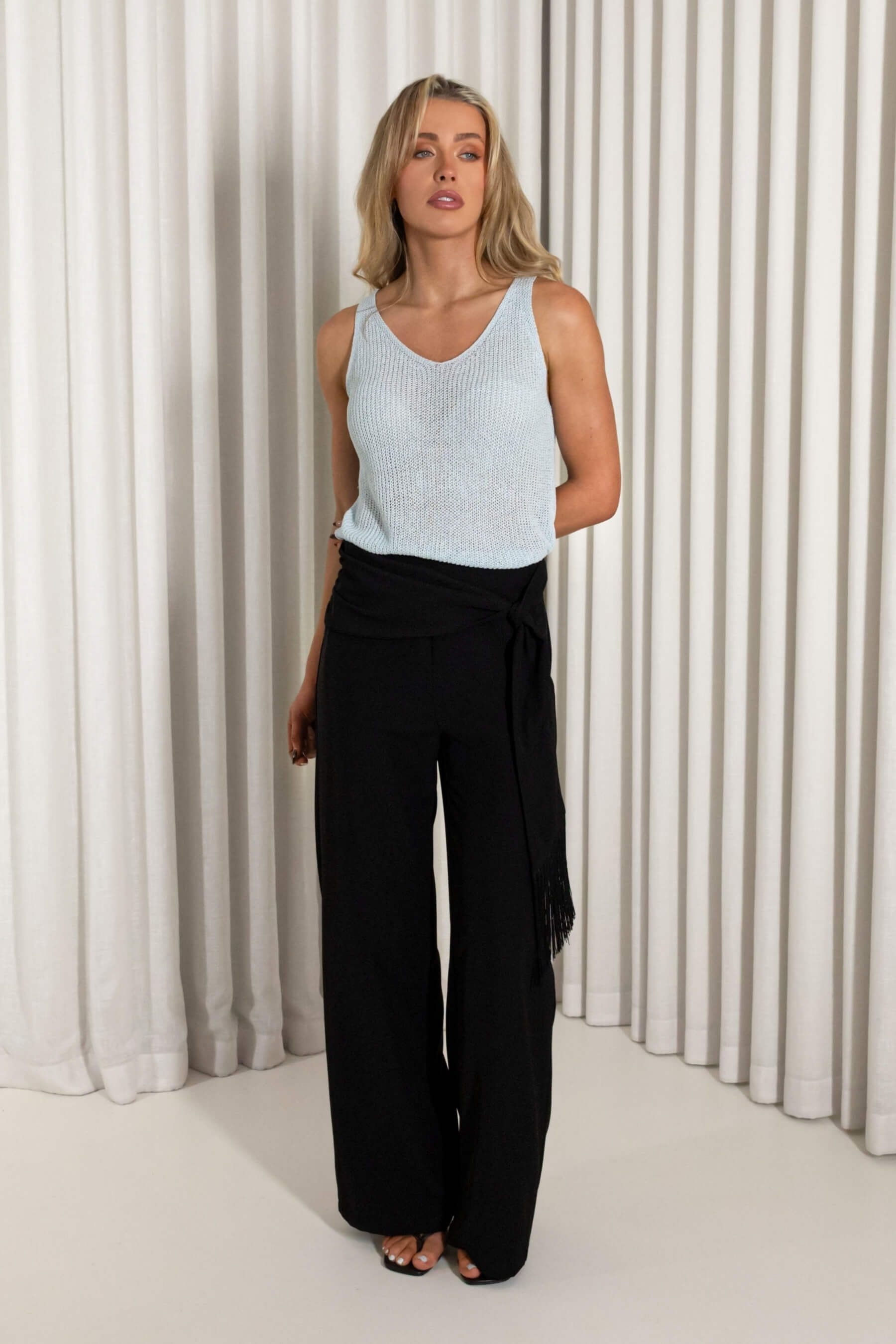
An evening handbag has a small job with a noticeable effect: it should work with your outfit, hold the essentials you want nearby, and feel comfortable for the plans ahead. The best choice is not automatically the tiniest clutch or the shiniest bag. It is the one that fits the occasion and sits naturally alongside your clothing.
Start with a few practical questions. How long will you be out? Will you be standing, seated, or moving between places? What do you need to carry, and what is the outfit already doing visually? Answering those questions makes handbag styling easier than trying to match every detail by color.
Begin with the occasion and your essentials
Think about the evening before choosing a shape. A seated dinner, a show, and a party may call for different levels of hands-free comfort and storage. For a short event, a compact bag might be enough for your phone, keys, card case, and a lip product. For a longer outing, you may appreciate room for an additional small item or a strap that lets you move comfortably.
Make a quick essentials list and use it as a reality check. A bag that looks elegant but cannot fit the items you need can become inconvenient; an oversized everyday tote may feel out of scale with a dressier look. If you are considering a shoulder style, browse the Danes Shoulder Bag as one example to consider when thinking about carrying options.
Also account for how you will carry the bag. A handle or strap can free your hands, while a clutch asks you to keep hold of it. Neither is inherently better. Choose based on what feels manageable for your plans, clothing, and comfort.
Use proportion to bring the outfit together
Scale matters because the bag becomes part of the outfit’s overall silhouette. A petite bag can complement a streamlined dress or tailored separates, while a medium-sized style may balance fuller sleeves, a substantial coat, or a more relaxed evening look. These are starting points, not restrictions: the goal is a composition that feels intentional to you.
Look at the outfit in a mirror from a little distance. Does the bag compete with a dramatic neckline, wide sleeve, or standout shoe? Would a simpler shape let those details remain the focus? If the clothing is clean and minimal, a distinctive bag can add interest. If the outfit already has several eye-catching elements, a quieter bag can give the eye a place to rest.
Consider the bag’s position as well as its size. A long strap crossing a fitted dress may create a strong line through the look; a shorter shoulder strap may sit more neatly with a jacket. Try the bag on with the actual outfit, including outerwear if you expect to wear it. Small changes in strap length can affect where the bag rests and how the clothes fall.
Choose color without chasing an exact match
A handbag does not need to match your shoes, dress, or jewelry exactly. Repeating a color can create an easy connection, but coordination can also come from tone. A warm brown, soft metallic, or deep neutral may sit comfortably beside several colors without looking like a set.
For a reliable starting point, consider the outfit’s light-to-dark balance. A dark bag can anchor a light look; a light bag can soften darker clothing. A bag in a similar tonal range may blend into the outfit, while a contrasting color creates a more noticeable accent. Think about what you want to emphasize rather than following a strict matching rule.
If the clothing includes a print, pick up one of its quieter colors or choose a neutral that does not compete with the pattern. For a solid outfit, color can be the focal point. The Accessories collection can help you think through how a handbag relates to the rest of your finishing pieces.
Balance texture and embellishment
Texture gives an evening outfit dimension, but several strong finishes can make a look feel busy. If your clothing has sequins, shine, lace, or a striking surface, a relatively simple handbag can balance it. A special bag can also be the feature against understated clothing. Choose which element gets the emphasis instead of asking every accessory to stand out at once.
For example, a top with visible sparkle may already bring plenty of visual interest. Consider how a simpler bag would sit beside it; the Dakota Sequin Top offers one catalog styling reference for thinking about a statement garment. If you prefer a textured or embellished handbag, keep nearby accessories more restrained or repeat a detail thoughtfully rather than adding competing accents.
Pay attention to fabric care, too. Before placing a bag against delicate, loosely woven, or embellished clothing, check that its edges, closures, and surface will not snag or rub against the garment. Store delicate pieces so hardware and decorative surfaces are not pressed against them. These small precautions help keep both parts of an outfit looking considered.
Make straps and layers work together
Outerwear can change how a handbag sits. A strap that feels comfortable over a thin top may slip or feel awkward over a blazer or coat. Try the bag with the layer you expect to wear, and check whether the strap lies flat, catches at a sleeve, or pulls the fabric out of place. If the weather or setting means you will remove a layer, consider whether the bag still works without it.
When carrying a shoulder bag with a jacket, look for a comfortable path for the strap that does not bunch the shoulder. A handheld bag may be an appealing alternative when a strap interrupts the line of a sleeve or neckline. If you want your hands free, adjust the strap before leaving rather than continually shifting it during the evening.
Keep other accessories in proportion. A prominent necklace, earrings, and decorative bag can all coexist, but they may feel more cohesive when their visual weight is varied. You might pair statement earrings with a pared-back bag, or let the bag be the accent and keep jewelry simple. For outfit planning beyond the handbag, the Omar Aviator Sunglasses are a reminder that accessories can serve different moments of a day; consider what belongs with the evening portion of your plans.
Test comfort and capacity before you go
Put your essentials in the bag and close it. Check whether your phone is easy to reach, whether keys could scratch another item, and whether the closure stays secure when the bag is carried. Avoid filling a small evening bag so tightly that it loses its shape or becomes difficult to open. If you need more than it can hold, choose a roomier option rather than hoping to make everything fit.
Then carry it around at home for a few minutes. Sit down, stand up, and move as you expect to during the evening. Notice whether the bag presses against your side, swings into the outfit, or needs constant adjustment. Comfort is part of a polished look because a bag that suits your movement is easier to wear with ease.
For coordinated dressing, check the finished outfit rather than assessing the bag alone. Try on the shoes and outer layer, add the accessories you intend to wear, and take a final look at the overall proportions. If you are also checking garment sizing while building the outfit, consult the size guide for that separate decision.
A flexible final-choice checklist
Before heading out, ask: Does the bag fit the essentials? Can I carry it comfortably with my outfit and layers? Does its scale suit the clothing, or add contrast intentionally? Are its color and texture working with the look rather than competing with it? Can I access what I need without a fuss?
If most answers feel right, you have a useful evening handbag choice. There is no single correct combination of dress, bag, and accessories. Let the occasion guide practicality, use proportion and texture to shape the look, and make the final call based on what feels like you. That flexible approach turns handbag styling into a helpful finishing step—not another rule to follow.
Find a piece to make it your own.
Explore the current collection and ask us about the fit, details or availability of any style.
Explore Tops & shirts