A mini dress can make getting dressed feel wonderfully simple, but a full day of plans may call for more than one version of the same outfit. The useful trick is not to rebuild your look from scratch. Start with a dress that feels right for your daytime setting, then change a few details so it feels intentional at dinner, too. Shoes, layers, and the scale of your accessories can shift the mood without asking you to carry a second outfit.
Think of this as a flexible formula rather than a strict set of rules. Your commute, the forecast, the restaurant, and your own comfort all matter. A successful mini dress outfit is one you can move through the day in and still enjoy wearing when evening arrives.
Start with a dress that works for your whole schedule
Before choosing accessories, picture the places you will go and the practical demands of the day. Will you be walking, sitting for a long stretch, or moving between air-conditioned spaces and warm streets? Consider the neckline, sleeve shape, fabric weight, and overall ease of the dress. A piece that feels comfortable in the morning is a better foundation than one that only makes sense in a dinner setting.
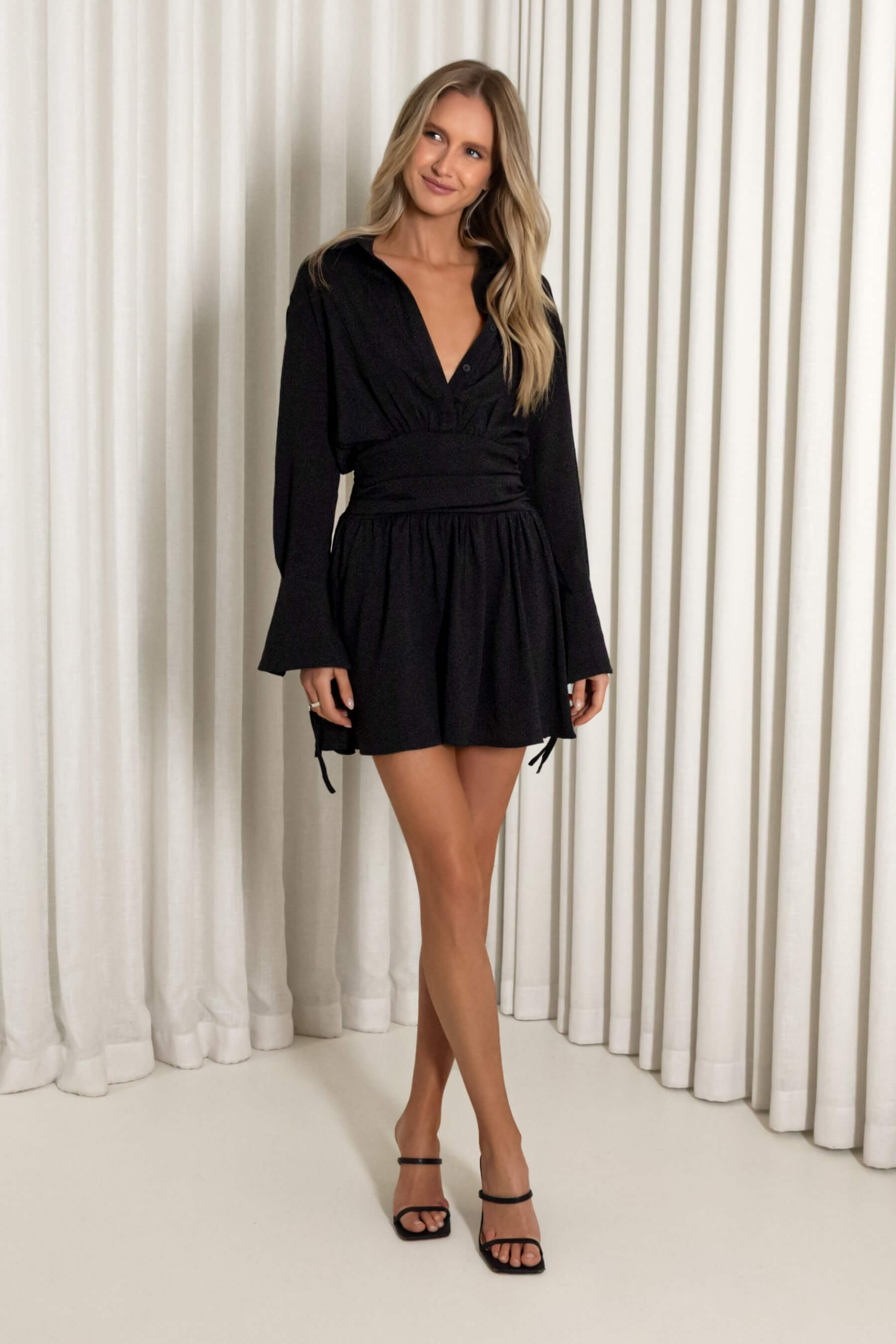
For a lighter daytime look, keep the styling relaxed: a simple bag, easy shoes, and a layer you can take off. If you want a clearer sense of the options available, browse the Dresses collection and compare silhouettes before settling on your outfit. The Harper Mini Dress is one option to consider as you plan around your own wardrobe and occasion.
Fit is personal, so check the garment details and use the size guide when helpful. Aim for a dress that lets you sit, reach, and walk comfortably. There is no single ideal hemline or silhouette; balance and ease are more useful measures than following a fixed rule.
Build a daytime base with relaxed proportions
For daytime, let the dress be the focal point and keep the supporting pieces uncomplicated. Flat sandals, low-profile sneakers, or a comfortable block heel can suit different plans. Choose based on how much walking you expect, the surface underfoot, and whether you want a casual or slightly dressed-up finish.
Proportion can help the whole outfit feel considered. With a shorter hem, a light overshirt, open button-down, or relaxed jacket adds a longer line without hiding the dress. If the dress has a roomy shape, a neater layer can provide contrast. If it is more fitted, a looser top layer can bring ease. Neither approach is mandatory: use the mirror to decide whether the combination feels balanced to you.
Keep daytime accessories useful. A crossbody or medium-sized tote leaves your hands free, while simple earrings or a delicate necklace can add polish without making the outfit feel overly formal. When the dress already has a bold print, ruffle, or distinctive neckline, a quieter bag and fewer accessories often let those details stand out.
Choose one or two changes for the evening
A day to night dress does not need a dramatic makeover. Start by changing the shoes. Swap daytime flats or sneakers for a refined sandal, pointed flat, or heel that you can comfortably wear through dinner. A change in shape or finish can signal evening even when the rest of the outfit stays familiar.
Next, consider the layer. A structured blazer, cropped jacket, or soft cardigan can make the outfit feel more composed, depending on the dress and the venue. Remove a casual overshirt if it has become creased or looks too informal, but keep a layer if the evening may be cool or the dining room is chilly. The best option is the one that complements the dress rather than competing with it.
Finally, edit your accessories. Replace a practical daytime bag with a smaller shoulder bag or clutch if you have room to carry one. Add a pair of earrings, a cuff, or a more noticeable necklace, but choose one feature to emphasize. A few deliberate changes usually look more natural than changing every element at once.
Use color and texture to shift the mood
Color is a quick way to give a familiar dress a different feel. Neutral shoes and a light layer can keep a print or bright color casual during the day. For dinner, darker accessories, a warm metallic accent, or a bag in a richer shade can add definition. You do not need to match every accessory; repeating one color across shoes and a bag is enough to make the combination feel connected.
Texture can make a simple dress feel more evening-ready, too. Smooth leather-look accessories, a subtle shine, or a tailored jacket can contrast nicely with a soft or matte dress. If the dress has noticeable texture or decorative details, keep the added pieces simpler. The goal is not to make every component special, but to create a useful contrast.
For a print-led look, decide whether you want to echo a color in the pattern or keep the accessories neutral. The Cece Polka Dot Dress offers one example of a patterned mini to style around; let the dress’s visual character guide how much else you add.
Make layers and hemlines work together
Layer length changes the outline of a mini dress. A cropped jacket can mark the waist and keep the skirt visible, while a longer blazer or open shirt creates a vertical line. Try the layer both open and closed if it has buttons. Notice where its hem falls in relation to the dress, and choose the version that lets you move comfortably without bunching.
Weather matters as much as appearance. In warm conditions, a lightweight layer can be easier to carry than a heavy jacket. When temperatures drop, consider a coat that covers the dress enough to feel practical on the way to dinner. Tights may also be an option when they suit the dress, shoes, and setting. Treat these choices as comfort tools, not requirements for wearing a mini.
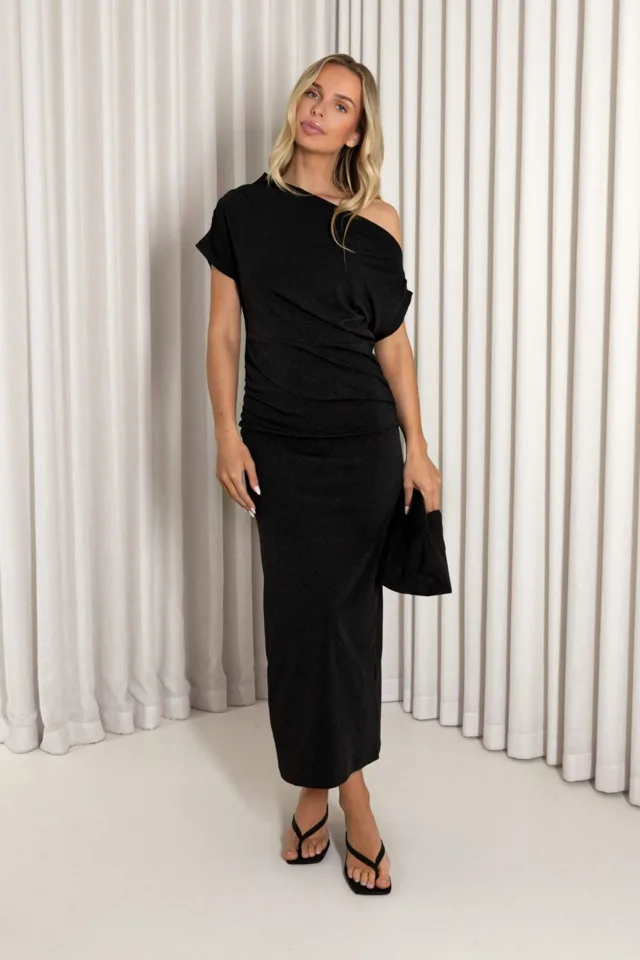
For an off-shoulder neckline or other distinctive shape, take a moment to check how a jacket sits over the top. A layer that repeatedly slips or hides the feature may be more trouble than it is worth. The Jilianne Off Shoulder Dress is another silhouette to keep in mind when considering how a neckline and outer layer work together.
Plan the transition without overpacking
If you will be away from home all day, make the evening changes portable. A compact bag can hold jewelry, a lipstick or other personal touch-up items, and a lightweight accessory. If you plan to change shoes, choose a pair that is easy to carry and protect it from scuffing in your bag. A small foldable tote can also give you somewhere to store a daytime layer after you take it off.
Check the dress before you leave. Smooth any creases that are easy to address, secure closures, and make sure the hem sits comfortably when you walk or sit. For delicate fabrics, follow the care label rather than relying on a last-minute heat treatment. Avoid pressing directly on embellishments or textured details, and use a garment bag or clean space in your luggage if you are carrying a change of clothes.
A quick mirror check after work can help you spot practical issues: a twisted strap, a shifted layer, or accessories that need adjusting. Keep a small lint roller or fabric-safe care item in your bag if that is useful for the material. The aim is a tidy refresh, not a complete reset.
Use a simple decision process
When you are unsure how to dress a mini for both parts of the day, ask four questions: What will I be doing? What will the weather feel like? How formal is dinner? What will I want to carry? Let the answers determine your shoes, layer, bag, and any extra accessories. This keeps your choices specific to the day instead of relying on a one-size-fits-all formula.
Then choose a single evening shift first, usually shoes or a jacket. Look at the result before adding anything else. If the outfit already feels polished, stop there. If it still feels too casual for the setting, add one considered detail, such as more noticeable earrings or a smaller bag.
Taking a mini dress from daytime to dinner is mostly a matter of editing. Begin with comfort and a practical base, then adjust proportion, texture, and accessories to suit the evening. A few well-chosen changes can make the same dress feel right for the whole schedule, while leaving plenty of room for personal style.
Find a piece to make it your own.
Explore the current collection and ask us about the fit, details or availability of any style.
Explore Dresses