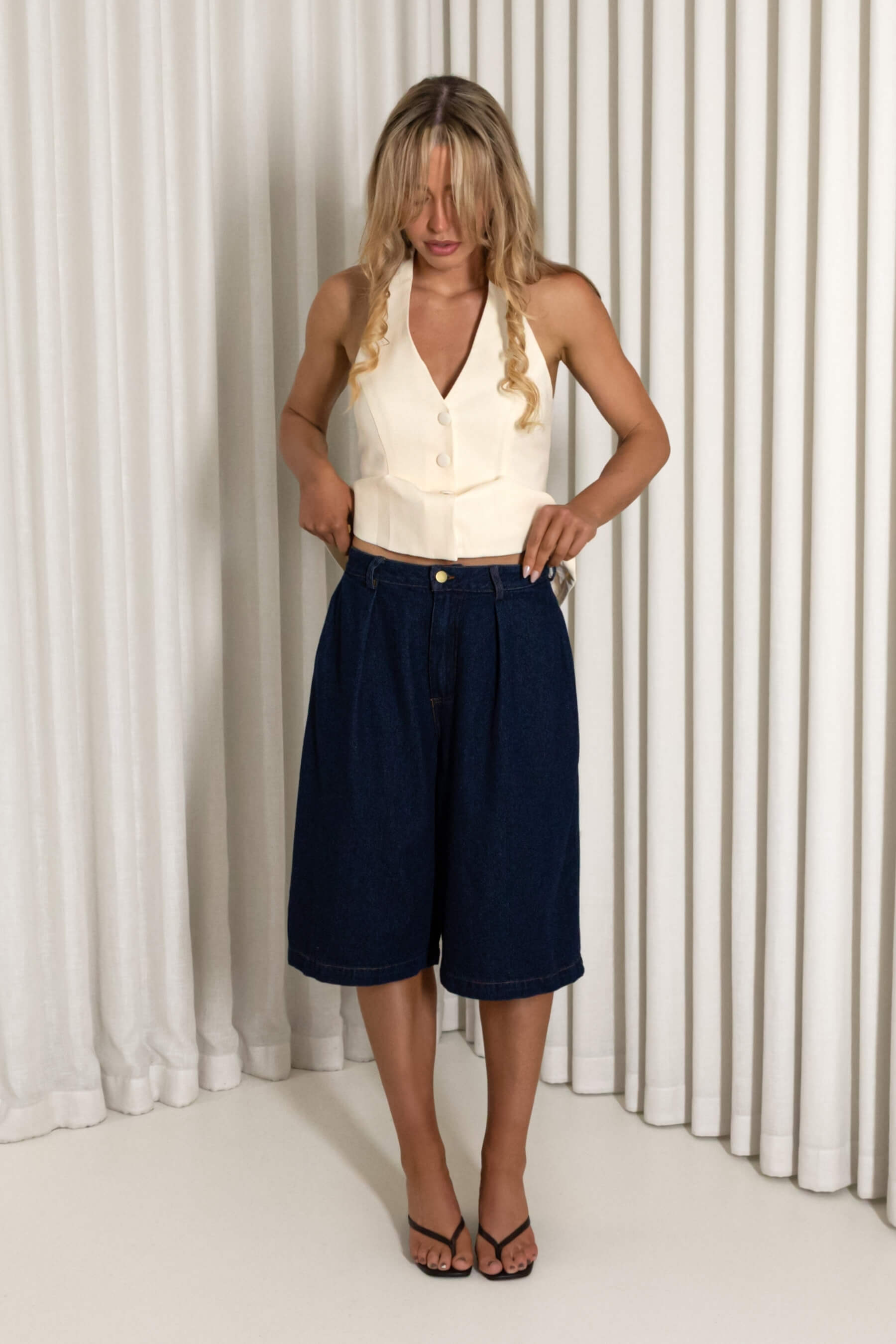
Denim-on-denim can feel effortless rather than overly coordinated when you treat it as a mix of useful separates. A chambray-style shirt with jeans, a denim jacket over a simple top, or two washes worn together can all create an easy foundation. The goal is not to match every detail. Instead, choose a comfortable silhouette, decide which piece should stand out, and finish with a few everyday accessories.
These denim outfit ideas are starting points, not strict formulas. Consider your plans, the weather, and the movement you want from your clothes. A relaxed finish often comes from leaving a little room in the outfit: an open shirt, a soft tee, an undone cuff, or shoes that feel right for the day.
Begin with the denim you reach for most
Build the outfit around a familiar piece, such as a favorite pair of jeans or a denim shirt you already enjoy wearing. Starting with something comfortable makes the second denim layer easier to choose. If you are beginning with jeans, add a shirt or jacket in a noticeably different wash. If the shirt is the anchor, look for jeans that complement its color without copying it exactly.
For a wide-leg starting point, explore the Tanner Wide Leg Jeans. A straighter-looking option can set a different tone; compare possibilities in the Charly Blue Jeans. Treat each item as one possible foundation, then use the proportions and styling details that suit your own wardrobe.
Use wash contrast without overthinking it
One simple way to separate the pieces visually is to choose a lighter top layer with darker jeans, or darker denim above a lighter bottom. The contrast does not need to be dramatic. A gentle difference in blue can be enough to make the combination feel intentional while keeping the outfit calm and wearable.
When the washes are close, create distinction through texture and shape. A soft shirt tucked loosely at the front will read differently from structured jeans, even if the blues are similar. You can also break up the color with a white, cream, or striped tee underneath. A belt, bag, or shoes in a contrasting neutral gives the eye another place to pause.
Matching denim head to toe can work, too. To keep it relaxed, vary the finish or silhouette, and avoid making every accessory feel equally polished. A casual shoe and an open collar can soften a coordinated pair.
Balance volume through the whole outfit
Think about how much room each piece has. With roomy jeans, a closer-fitting tee or a shirt lightly tucked at the front can clarify the waist without making the outfit feel formal. With a loose denim shirt or jacket, a straighter or slimmer bottom can add contrast. These are options rather than rules; wearing volume on top and bottom can feel comfortable when the lengths and layers are considered together.
Length matters as much as width. If a shirt falls past the hip, try wearing it open over a shorter top, or roll the sleeves to show a little more shape. If you prefer a full tuck, keep it soft instead of pulling the fabric tight. A cropped jacket can sit neatly over a longer tee, while an untucked shirt can make a simple base feel more laid-back.
Before heading out, check the outfit from the side as well as the front. Notice where hems land and whether a layer bunches when you sit or move. A small adjustment—one cuff, a different tuck, or leaving a button open—can make the proportions feel more natural.
Make the shirt-and-jeans combination your own
A denim shirt is a versatile layer because it can serve as both a top and a light jacket. Button it and wear it with jeans for a simple tonal outfit. Leave it open over a plain tee when you want an easy third layer, or tie the ends loosely over a dress or skirt for a different use of the same piece. Keep the knot comfortable and let the rest of the outfit stay uncomplicated.
For a softer approach, wear a non-denim top between the denim pieces. A cotton tee, lightweight knit, or simple tank creates a visual break and can make two stronger denim pieces feel less uniform. On a warmer day, leave the outer layer at home and let jeans do the work with a light top and a denim accessory, if you have one.
Printed bottoms can offer another route when you want to keep a denim layer but change the overall feel. The Freddy Floral Jeans provide a print-led alternative to a solid denim bottom. Pair a patterned piece with a quieter shirt or jacket so the outfit has one clear focal point.
Choose shoes and accessories for the plan
Footwear can shift the mood without changing the core pieces. Sneakers keep denim-on-denim easy for errands or a casual lunch. Flat sandals can feel lighter in warm weather, while ankle boots add a little structure. With wide-leg jeans, consider the hem and shoe together: the length should work with the shoes you expect to wear, rather than leaving you adjusting it throughout the day.
Accessories are most useful when they support the outfit instead of competing with it. Try a simple belt, a small crossbody bag, or understated earrings. If the denim already has visible seams, fading, or other details, keep the remaining accents quiet. If the pieces are plain, a patterned scarf or colorful bag can add personality without requiring another layer.
Think about comfort and practicality as well as appearance. A bag that leaves your hands free may suit a day of walking; a lighter layer can be tied or carried when the temperature changes. Choose the pieces that make sense for the day you have planned.
Layer lightly and adapt to the weather
For changing temperatures, place a breathable top between the denim layers. An open denim shirt over a tee is easy to adjust, and a light jacket can be removed without changing the whole outfit. If you are wearing a denim jacket with jeans, a contrasting base layer helps define the layers and can make the combination feel less heavy.
Consider the feel and weight of each garment. Two substantial denim pieces may be more comfortable in cooler weather, while a lighter shirt paired with jeans can be easier on a warm day. Try sitting, reaching, and moving in the finished outfit. If the layers pull or feel bulky, remove one or swap in a lighter top.
For more ways to browse outfit foundations, visit the Bottoms collection. If you are comparing garment measurements before choosing a style, the size guide offers a useful reference. Use those details alongside your own preferences for ease, length, and how you like clothes to sit.
Care for denim with a little attention
Check each garment’s care label before washing, since finishes and fabric blends can differ. When it is time to launder, follow those instructions and consider washing similar colors together, particularly when a denim piece is new to your wardrobe. Avoid assuming that every pair or shirt needs the same care.
Between wears, hanging denim to air out can help you decide whether it needs washing yet. If a garment is damp, let it dry fully according to its care guidance before putting it away. Store shirts and jackets where they can keep their shape, and fold heavier pieces so they are easy to find. A little care helps keep your favorite combinations ready to wear.
A simple decision process for an easy finish
When you are getting dressed, choose one denim anchor, then decide whether you want contrast or a closer tonal match. Balance the shapes in a way that feels comfortable, add a non-denim layer if the outfit feels too uniform, and finish with shoes suited to your plans. Make one final adjustment to a sleeve, hem, or tuck rather than adding details just to fill space.
The most useful denim-on-denim outfit is the one that feels like you and works for your day. Start with familiar pieces, experiment with the wash and proportions, and keep the finishing touches uncomplicated. Small changes can give the same jeans and shirt a fresh feel, making casual styling easy to revisit.
Find a piece to make it your own.
Explore the current collection and ask us about the fit, details or availability of any style.
Explore Bottoms