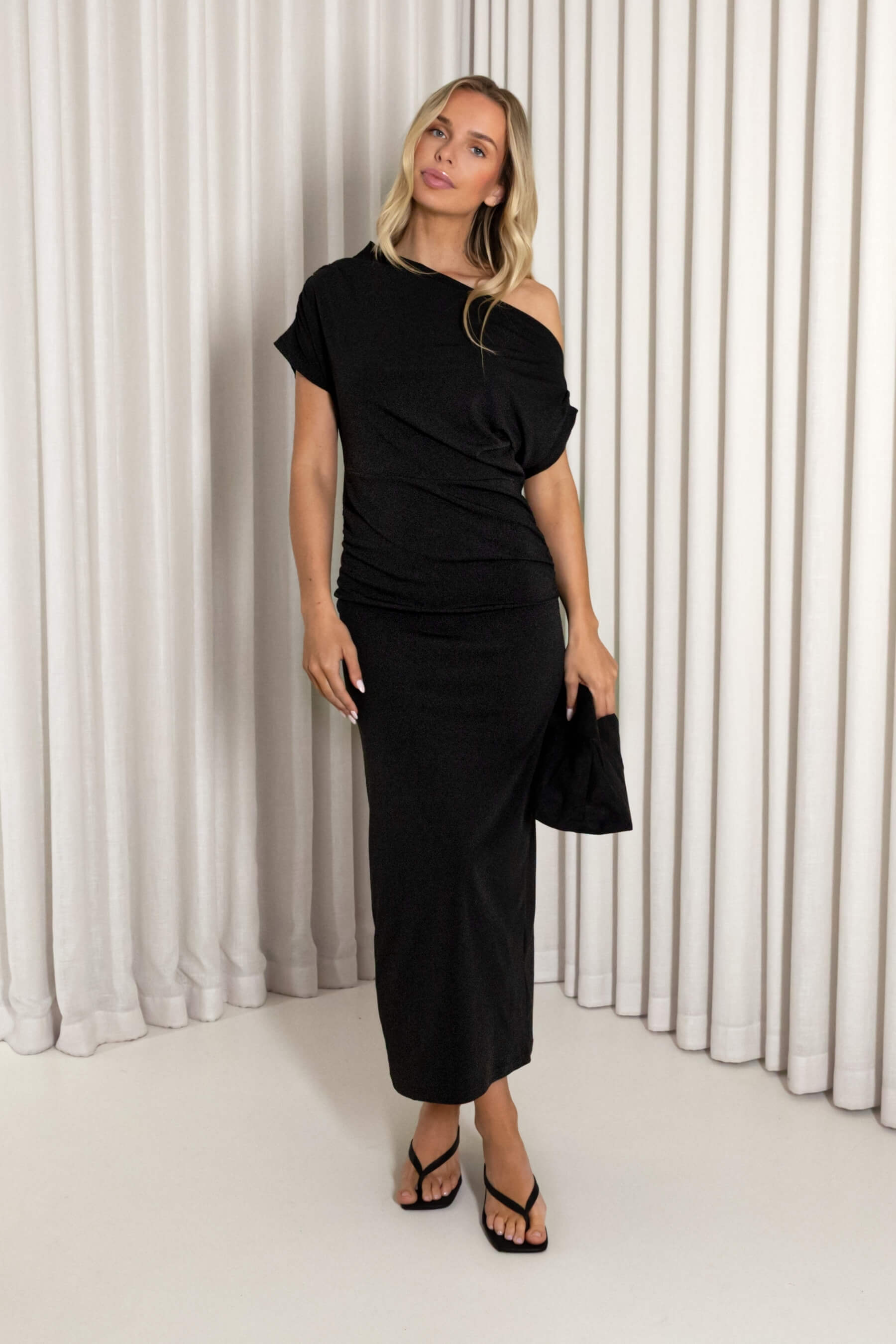
A dress already gives you a complete outfit, but a belt can change how that outfit reads without requiring a new set of clothes. It can define a waistline, add contrast, echo another accessory, or bring a relaxed silhouette into sharper focus. The trick is to treat the belt as a styling choice rather than a finishing step you have to add to every dress.
For useful wardrobe restyling, begin with the dress’s shape, fabric, and existing details. Then decide what you want the belt to do. A narrow belt may add a subtle point of definition; a wider one can become the main visual feature. Either way, comfort and balance matter more than following a fixed rule.
Decide what you want the belt to change
Before choosing a belt, take a moment to assess the dress without one. Is the silhouette already structured, or does it fall loosely from the shoulders? Does the fabric have a print or texture that you want to keep in focus? Is the outfit missing contrast, or would a little waist definition make it feel more intentional? A clear answer helps you avoid adding an accessory simply because the dress has belt loops.
Try the dress with the belt at its intended position, then look at the whole outfit in a mirror. Notice whether the belt creates the emphasis you wanted and whether the dress still hangs comfortably. If the belt pulls the fabric into unwanted folds, feels restrictive, or interrupts a detail you like, loosen it, move it, or try a different width. Leaving the dress unbelted is also a complete styling decision.
Choose a width that works with the dress
Think about the weight and visual scale of both pieces. A slim belt tends to make a quieter line and can be a good starting point with a delicate print, a soft dress, or an outfit that already has plenty of detail. A medium-width belt is versatile when you want noticeable definition without making the accessory the entire focus. A wide belt reads more boldly and can work when the dress has enough visual simplicity to balance it.
These are starting points, not strict pairings. A narrow belt can stand out against a simple dress, while a broader belt may give a fluid silhouette more structure. Check the buckle as well as the strap: a large or highly decorative buckle adds visual weight even when the belt itself is narrow. If the dress has buttons, a collar, a high neckline, or a strong print, try a simpler belt first so the details have room to work together.
For an understated option, consider the Sam Slim Belt. A darker, more defined accent may suit a different outfit; the Andrea Buckle Belt offers another direction to consider. Compare a belt against the dress in natural light when possible, and focus on the overall balance rather than assuming one width or color will suit every look.
Experiment with placement and proportion
Position changes the effect as much as belt design. Wearing a belt near the dress’s natural waist can create a familiar, clearly defined shape. Placing it slightly higher can make the upper part of the outfit feel more prominent, while a lower position can create a more relaxed impression. Small adjustments can matter, so move the belt a little at a time and see how the dress falls from each position.
If the dress has belt loops, try them first, but do not assume they are the only useful placement. You can test a belt over the dress at a different height if the fabric and construction allow it to sit comfortably. Avoid pulling a belt tight just to gather extra fabric; a smooth, easy drape usually looks more considered. With a wrap dress or a dress that already ties at the waist, check that an added belt does not compete with or distort the original closure.
Proportion is about the complete outfit, too. A belt can visually divide a dress into sections, so consider its color, buckle, and position alongside the neckline, hem, and shoes. Step back rather than judging only from close up. If the belt draws attention exactly where you want it, keep it. If it creates a hard interruption, try a closer color match or skip it.
Use color and texture with intention
A belt that closely matches the dress can add shape without introducing a new color break. A contrasting belt is more noticeable and can connect the dress to shoes, a bag, or jewelry. Repeating a color once elsewhere in the outfit often makes the accent feel deliberate, but a perfect match is not necessary. Related tones and a shared level of formality can be enough to bring the pieces together.
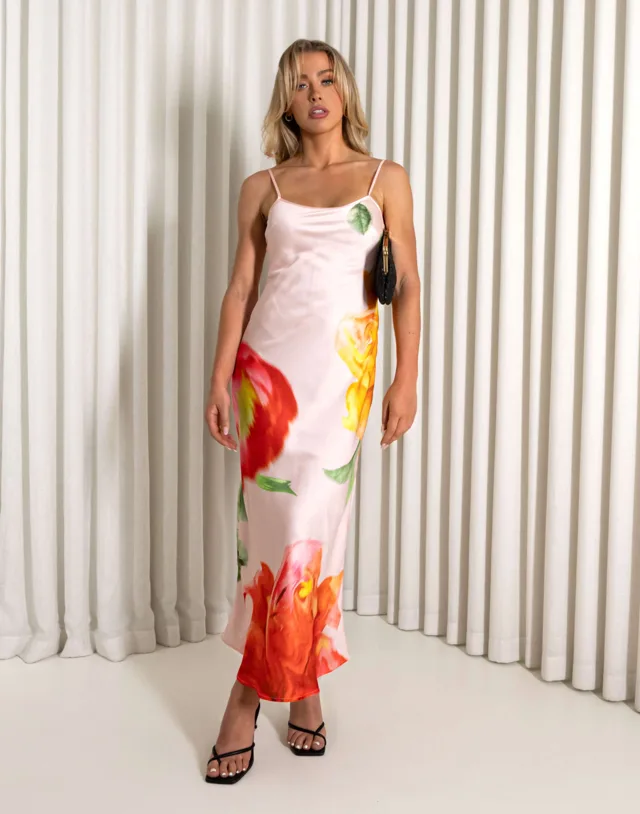
Texture offers another way to create interest. A smooth belt against a softly textured dress gives a clear contrast; a textured belt can add dimension to a simpler outfit. With prints, let the dress guide the palette: choose a belt in a color that already appears in the pattern, or keep the belt neutral if the print is busy. For more options to compare, browse the Accessories collection and consider how each piece fits the outfit you already own.
Restyle one dress for different plans
For an easy daytime look, try a modest belt with comfortable shoes and a practical bag. A relaxed layer, such as a cardigan or an open shirt jacket, can soften the outline. If you plan to wear the layer closed, check that its hem and the belt do not bunch together. A belt with a simple buckle can keep the outfit from feeling overworked when the dress already has a print or prominent sleeves.
To make the same dress feel more polished for dinner or an evening plan, change the belt’s visual weight, refine the shoes, or add a more structured layer. You do not need to change everything. A different belt and one considered accessory may be enough to create a distinct outfit. For another dress-based starting point, see the Ernest Midi Dress; use its catalog listing as a reference for styling a collared midi, not as a promise about how any belt will fit.
Keep the setting and your own comfort in view. A belt that feels good while standing may feel different when sitting or moving through a busy day. Before heading out, try the finished outfit in the positions you expect to spend time in. If you are choosing a garment and want to check its listed measurements, consult the size guide.
Layer thoughtfully and keep the fabric in mind
When adding a belt over a dress, consider what sits beneath and above it. A thin base layer can help the belt lie smoothly; a bulky sweater tucked under a belt may create extra gathering. If you wear a jacket or cardigan over the dress, try the outfit both open and closed. An open layer leaves the belt visible, while a closed layer can make it a subtle shaping detail beneath.
Fabric deserves a little care. Lightweight or delicate material may show pressure marks or pull where a belt sits, so test gently and avoid tightening it. On a dress with a delicate finish, rough hardware or a textured strap may catch; choose a smoother option or wear the dress without a belt. After wearing, remove the belt rather than leaving it cinched around the garment, and follow the dress’s care instructions. If a belt leaves a temporary crease, let the fabric rest and use only care methods suitable for that garment.
A flexible way to build your outfit
Use a simple decision process: identify what you want to change, choose a belt width and color that support that goal, and test the placement without forcing the dress into shape. Add shoes, a bag, and any layers only after the belt feels comfortable. Then look at the complete outfit and remove anything that distracts from the effect you intended.
There is no single correct belt for a dress, and not every dress needs one. Some outfits benefit from a crisp contrast; others look better with a subtle tone-on-tone accent or no belt at all. By experimenting with placement, proportion, and texture, you can create fresh dress outfit ideas from pieces already in your wardrobe—and make each choice feel personal rather than prescribed.
Find a piece to make it your own.
Explore the current collection and ask us about the fit, details or availability of any style.
Explore Dresses