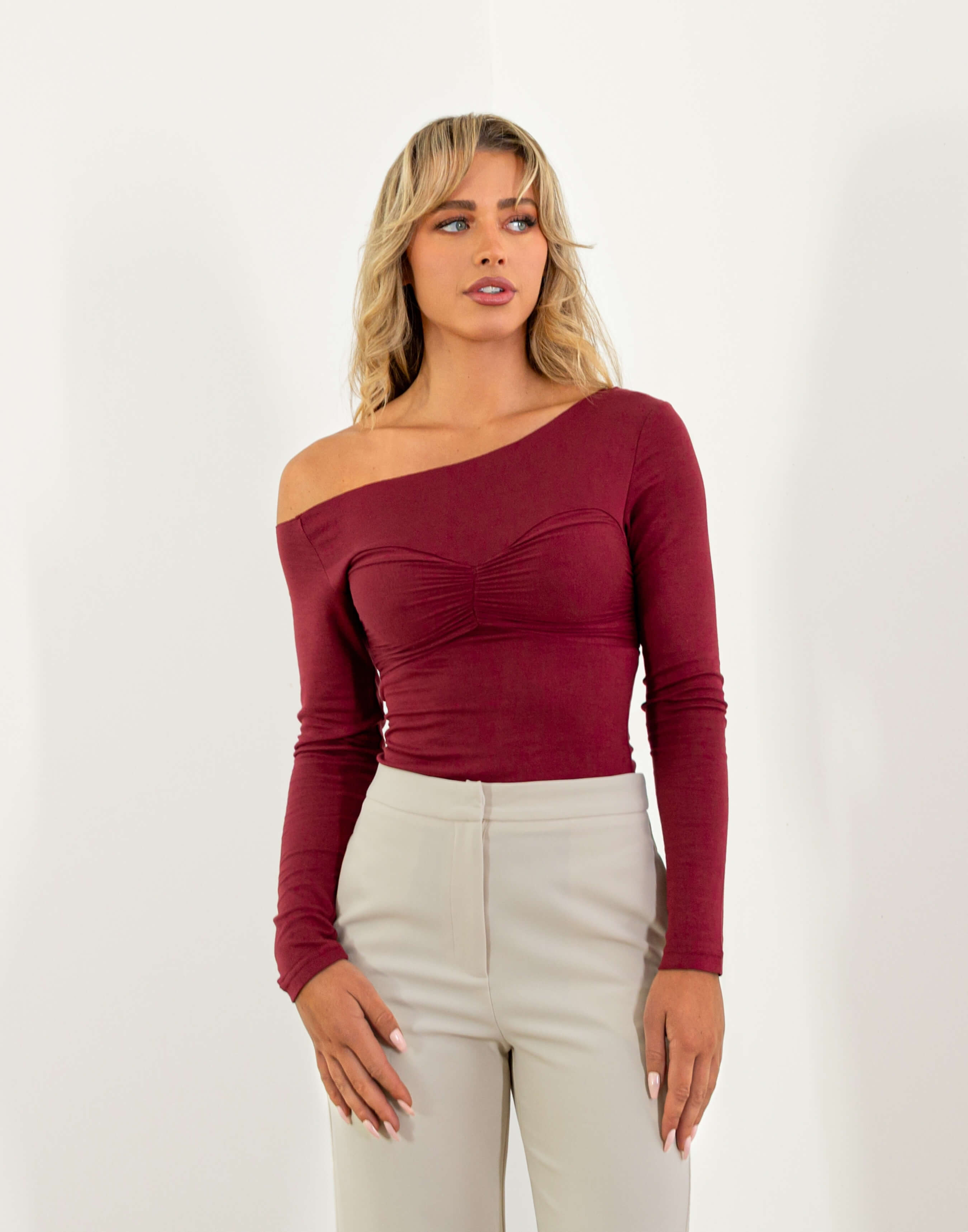
Getting dressed for a first date can turn a simple question into a full wardrobe negotiation: Should you dress up? Keep it casual? Try something new? A useful answer is to build an evening outfit around a familiar favorite, then give it one or two details that suit the setting. That way, you feel prepared without dressing as a version of yourself you have to perform.
This formula works for dinner, a relaxed cocktail spot, or an early-evening coffee that might turn into a longer conversation. Think in three parts: a foundation you already feel good in, a layer that helps the look feel finished, and accessories chosen for the plans. Adjust the proportions and polish to match the venue, weather, and your own comfort.
Begin with a piece that already feels like you
Choose one item you reach for because you like how it looks and how you move in it. That could be a favorite top, a familiar pair of trousers, a skirt you enjoy styling, or a dress that feels easy rather than precious. Starting with something known gives you a steadier point of reference than building the whole look around an unfamiliar trend.
Let that piece set the tone. A fitted top can pair with relaxed, high-waisted trousers; a fuller skirt can balance a closer-fitting top; and a straightforward dress can become more personal through shoes, jewelry, or a layer. If you are drawn to an off-shoulder neckline, the Yasmin Off Shoulder Top offers one possible starting point. The aim is not to copy a complete look, but to notice which elements feel right for you.
Try sitting, standing, and reaching in the outfit before you decide. If you keep tugging at a hem or adjusting a neckline, consider a different combination. Feeling at ease is a practical styling choice, not a reason to sacrifice personality.
Match the level of polish to the plan
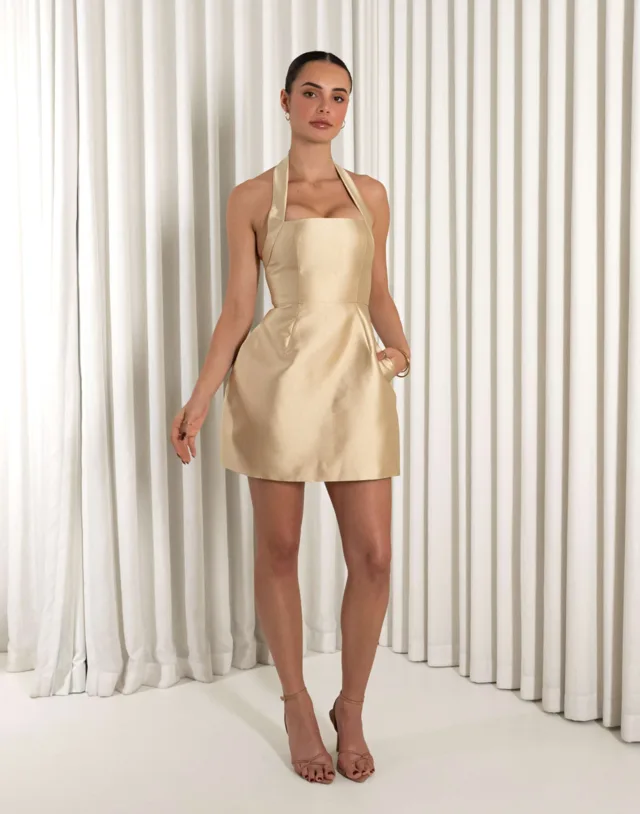
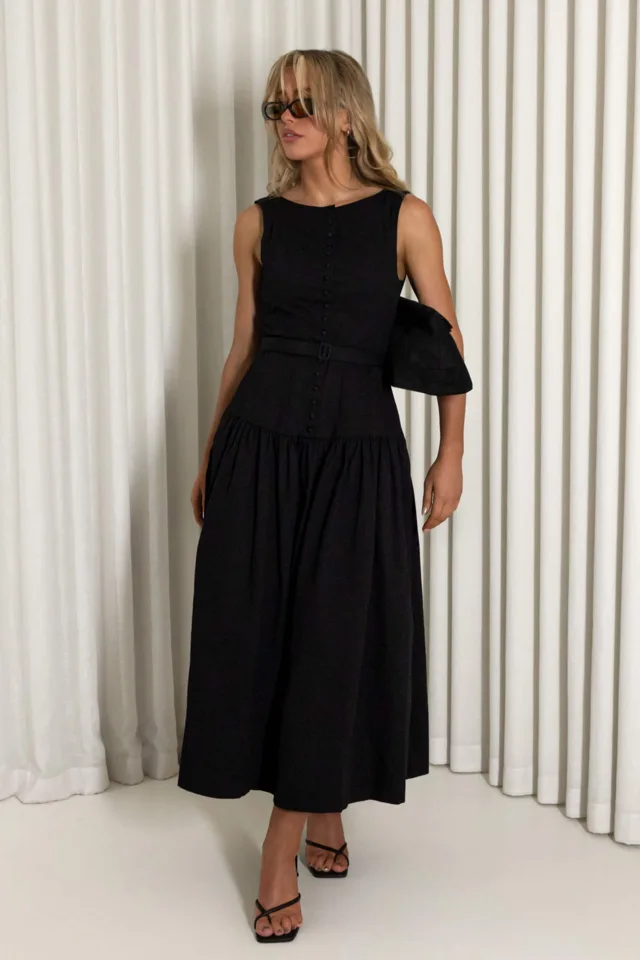
“Dinner date style” can mean a lively neighborhood restaurant or a more dressed-up reservation, so consider the venue rather than following a fixed dress code in your head. For a casual place, clean dark denim and a refined top may feel balanced. For a special-occasion setting, swap in tailored trousers, a midi skirt, or a dressier shoe. You can make a familiar silhouette feel more evening-ready through fabric, color, and finishing details.
When the plans are uncertain, aim for a middle ground: one polished element with otherwise relaxed pieces. A structured bag with jeans, a sleek shoe with a simple dress, or a thoughtful top with trousers can keep the outfit adaptable. Before heading out, check the venue’s general atmosphere and think about how much walking or standing the evening might involve. This helps you choose pieces that make sense for the actual plan, not an imagined one.
Use proportion to make the outfit feel intentional
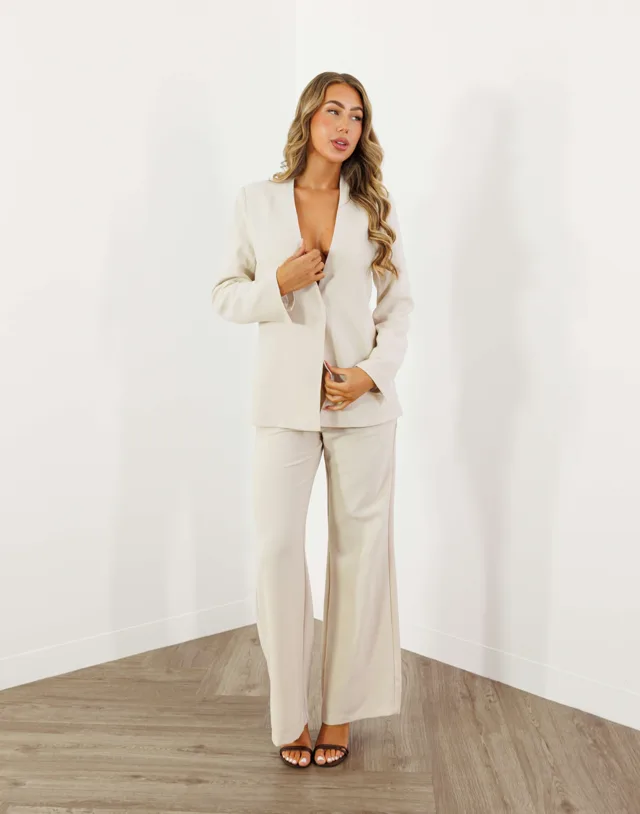
Balance is more useful than chasing a particular silhouette. If your top is close-fitting, try a straight or relaxed bottom for contrast. With a fluid blouse, a more defined waistband or a clean trouser line can keep the outfit from feeling shapeless. A tucked front, a belt, or a cropped layer can show where one piece ends and another begins without requiring a dramatic change.
Consider lengths together, too. A long top may work better with a slimmer lower half, while a shorter top can pair comfortably with a fuller skirt or wide-leg trousers. If you like an elongated line, matching the color of your shoes to your trousers or hosiery can create visual continuity. Treat these as options, not rules: the right proportion is the one that supports your preferred look and lets you move comfortably.
If you are trying a new silhouette, keep the rest familiar. Pair a new neckline with trusted bottoms, or wear an unfamiliar skirt with your usual top. Changing one element at a time makes the result easier to assess and keeps the outfit from feeling like a costume.
Choose a layer for comfort and a finishing touch
An extra layer can make an outfit feel complete while helping you adapt to indoor air-conditioning or a cooler walk. A light jacket, cardigan, or open shirt can soften a dressier look or add definition to a simple base. For a sheer layer, think about what you want underneath and whether the combination feels comfortable in the lighting and setting. The Heathcliff Sheer Shirt is one option to explore as a styling layer; consider its place in your outfit rather than assuming it must be worn a particular way.
For a cleaner, longer line, a longline top can be styled with slim trousers or worn as a layer over a simpler base, depending on its design. The Mercy Longline Top can help you consider that proportion. If you are comparing silhouettes, browse the Tops collection for different starting points.
Think about temperature and fabric care as you choose. Delicate or sheer pieces may need gentler handling than everyday cotton or denim; check the garment’s care label before washing or steaming, and avoid last-minute heat on a fabric if you are unsure how it responds. A wrinkle release or careful hanging may be preferable when the label calls for caution.
Keep accessories deliberate, not crowded
Choose accessories by asking what the outfit needs. A simple neckline may welcome earrings or a short necklace; a detailed neckline may look more balanced with one small accent. A belt can define a waist, while a compact bag keeps the overall line neat. Pick a focal point rather than adding every piece you like at once.
Shoes should suit both the outfit and the route. A heel can shift a familiar combination toward evening, but a polished flat, boot, or low block heel can do the same while feeling easier for a walk. Check that the shoes work with the hem when you stand and sit. If you expect to walk between locations, choose a pair you can comfortably wear for the whole plan—or bring a practical alternative.
Jewelry and bags can also carry a personal signature: a favorite metal, a color you wear often, or a shape you find pleasing. There is no need to add a new accessory just because it is a date. Familiar details can make a thoughtful outfit feel more like your own.
Make the final edit before you leave
Once the outfit is assembled, look at the full combination in ordinary light. Check whether the colors work together, whether the layer sits well over the base, and whether any accessory competes with a detail you want to highlight. Remove one item if the look feels busy; add a finishing touch if it feels unfinished. The goal is a clear point of view, not maximum decoration.
Use a short decision process: Does this feel like me? Does it suit the venue and temperature? Can I sit, move, and enjoy the evening without constant adjustments? If you are shopping for a new piece, consult the size guide as one reference, then consider the garment details and your own preferred fit. A guide can help inform a choice, but your comfort and styling preferences matter too.
Keep the formula flexible
A reliable first date outfit is not one prescribed combination. It is a way to make a decision: begin with something familiar, balance the proportions, add a layer suited to the evening, and finish with accessories and shoes that support the plan. For one person that may mean a simple top and tailored trousers; for another, a dress and comfortable boots. Either can feel considered without losing its ease.
Most of all, let the clothes support the occasion rather than become the occasion. When your evening outfit fits the setting and feels recognizably yours, you can spend less energy checking every detail and more time being present. That is a useful formula for dinner date style—and one you can adapt to the next invitation, too.
Find a piece to make it your own.
Explore the current collection and ask us about the fit, details or availability of any style.
Explore Tops & shirts