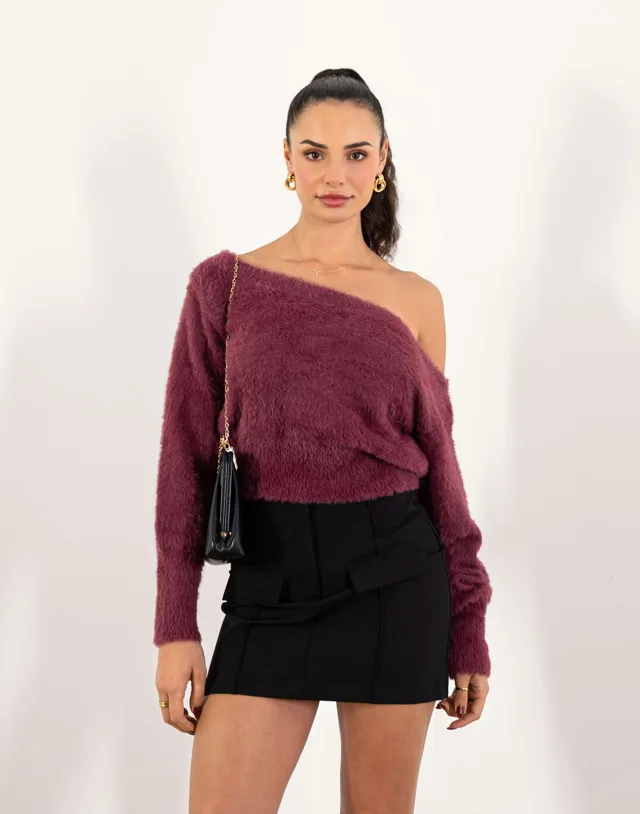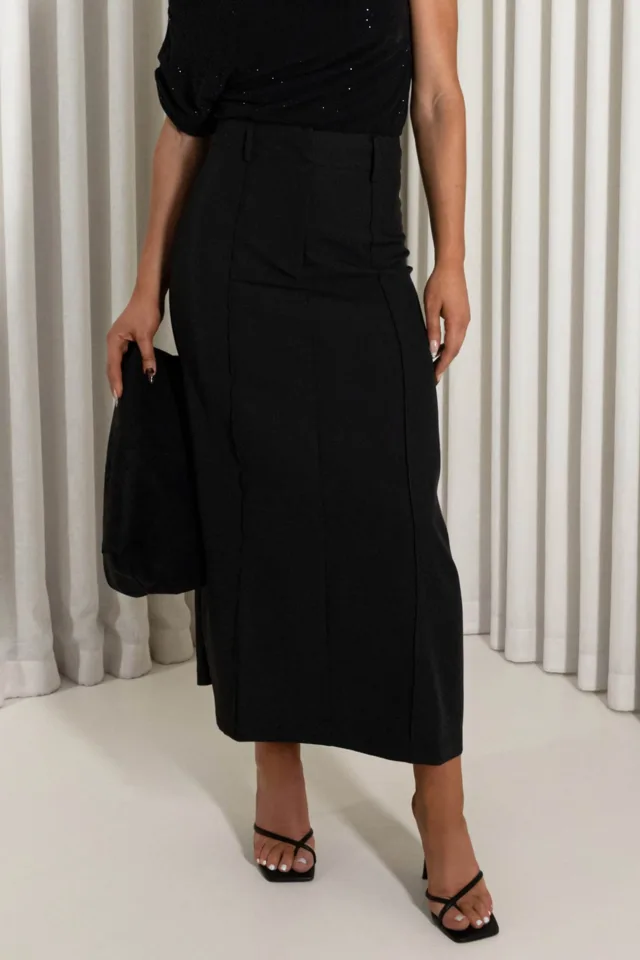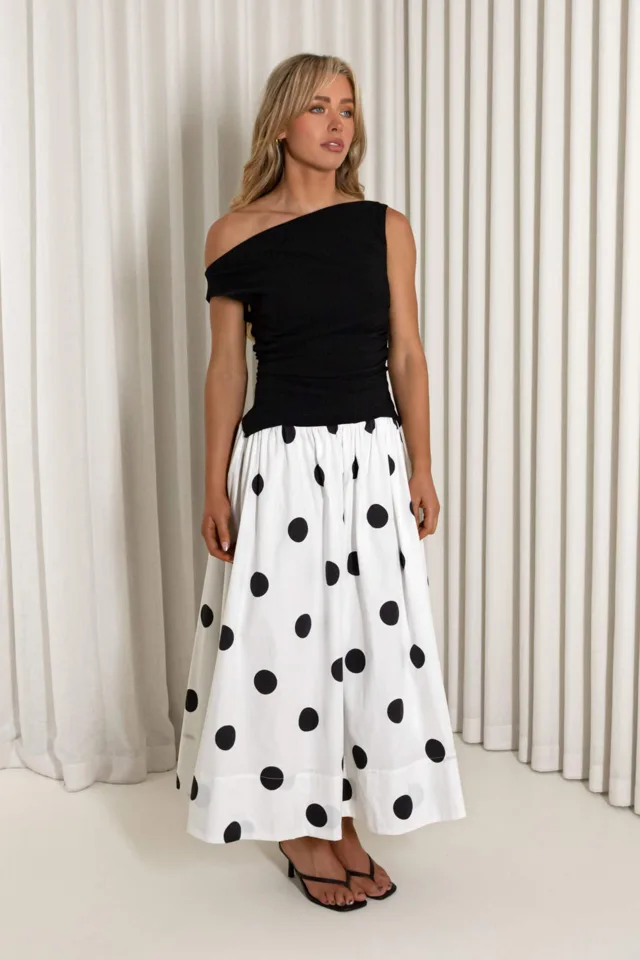
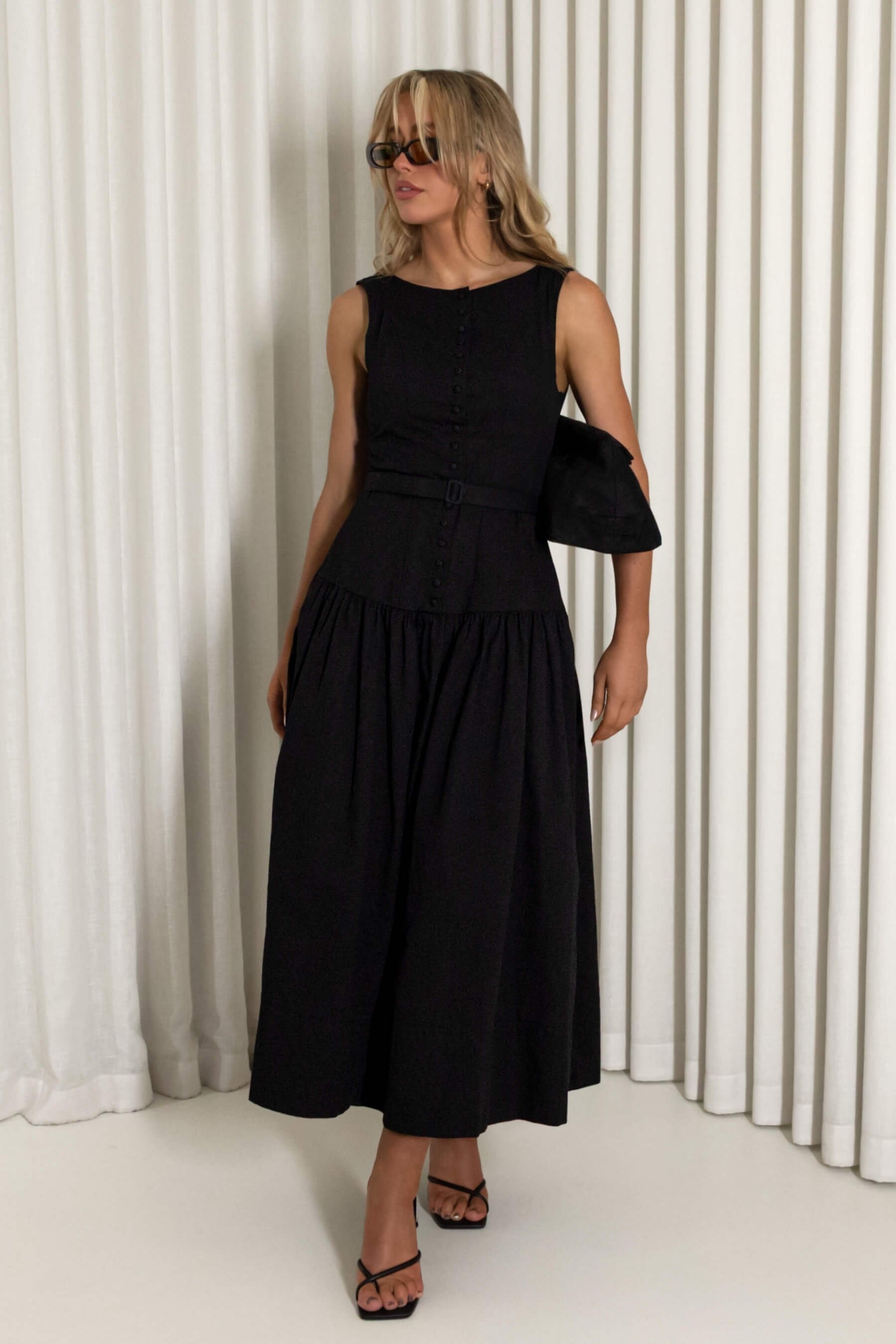
A satin midi dress has a particular kind of occasion-ready ease: its fluid surface catches the light, while a mid-length hem can feel at home at dinner, a family gathering, or a more festive evening. The key to styling it is not adding as much shine as possible. Instead, consider the setting, the dress’s proportions, and how you want to feel while sitting, walking, and moving through the event.
Think of the dress as the starting point rather than a fixed formula. A few deliberate choices—shoes with the right level of formality, a useful layer, and accessories that complement rather than compete—can make one silhouette work for different plans. These ideas offer a flexible route to a celebration outfit that feels like you.
Start with the event and the dress
Before choosing accessories, picture the occasion. A relaxed dinner may call for softer shoes and a light layer; a milestone celebration might invite a more defined bag or a little extra jewelry. Also consider practical details such as the venue, expected walking, and whether you will be seated for much of the evening. Those details often matter more than a dress code interpreted too literally.
Next, notice the dress’s own features. A bias-cut or draped shape already has movement, while a clean, simple silhouette leaves more room for a statement accessory. Necklines, straps, waist seams, and hem length all affect where the eye travels. The Percy Midi Dress offers one example to consider when exploring a draped midi shape; style decisions should still follow the specific garment and how it feels on you.
If you are comparing silhouettes, browse the Dresses collection with the event in mind. Rather than choosing by occasion label alone, look for the neckline, length, and overall mood that suit your plans.
Balance the midi proportions
A midi hem creates a visual break between dress and shoe, so the shoe choice can subtly change the outfit’s proportions. A streamlined sandal or low-profile heel keeps the look light. A pointed flat can add definition without a high heel, while a boot brings more coverage and a grounded feel. There is no single correct pairing; look at the complete line in a mirror and choose the balance you enjoy.
Consider where the hem falls on you and whether it shifts as you walk or sit. If you plan to dance or move between indoor and outdoor spaces, take a few steps in your chosen shoes before leaving. A heel that feels fine while standing may feel different after an evening on your feet, so comfort is part of good styling, not an afterthought.
When adding a jacket or cardigan, check how its length meets the dress. A cropped layer can make the waist area feel more defined; a longer, open layer can create a relaxed vertical line. Try each option with the actual shoes and bag rather than judging it alone. Small differences in hem and layer length can make the outfit feel either intentional or visually busy.
Choose shoes for the evening you have planned
For an intimate dinner, try a refined flat, slingback, or modest heel. These keep the outfit polished without requiring a formal-feeling shoe. For a celebration with a later start or a dance floor, choose footwear you can comfortably stand and move in. A block heel can feel steadier for some people; a dressy flat can be equally considered when its shape and finish suit the look.
Let the dress’s finish guide the shoe’s finish. A satin surface already has a soft sheen, so a matte shoe can provide contrast. If you prefer a coordinated shine, keep the rest of the accessories restrained. Color does not need to match exactly: a tonal shoe can lengthen the visual line, while a contrasting shade can make a simple dress feel more expressive.
Think about the ground and the route, too. A delicate heel may be less practical on uneven paths, and open shoes may not suit a chilly evening. Having a backup pair in mind—or selecting a comfortable option from the start—makes it easier to enjoy the occasion instead of adjusting your outfit all night.
Layer for changing temperatures
A useful layer should work with the dress rather than obscure every detail. For a polished dinner, consider a tailored blazer worn open, a soft wrap, or a neat cardigan. A short jacket can highlight the waist; a relaxed layer can soften a more formal silhouette. Try the garment on with the dress to see whether sleeves, straps, and neckline sit comfortably together.
For outdoor arrivals or cooler evenings, an outer layer can provide warmth while still feeling occasion-appropriate. Pay attention to static, snag-prone closures, and how easily the layer slips on and off. If the dress has delicate straps, avoid a layer that constantly catches or needs frequent adjustment. A scarf or wrap can also serve as a practical option when you want coverage without changing the dress’s shape.
Keep the setting in mind: a crowded restaurant may call for a layer that is easy to remove and manage, while a mostly outdoor celebration makes warmth a more central part of the outfit. Planning this ahead helps preserve the ease of the look.
Keep accessories considered
Choose one focal point rather than asking every accessory to make a statement. If the neckline is open, earrings can frame the face; if the dress has an interesting drape or neckline, a simple necklace may be enough. A compact shoulder bag or clutch keeps the outfit tidy, while a larger bag may be more useful for a longer event. The best choice is the one that fits what you need without distracting from the dress.
Metal tones, color, and texture can either echo the dress or provide contrast. A satin midi dress pairs naturally with different finishes, but too many competing reflective surfaces can make the overall effect feel crowded. Try accessories in daylight and indoor light if possible, since a finish can look different across settings. Keep personal essentials—such as a phone, keys, and touch-up items—in mind when judging bag size.
Jewelry should feel comfortable through a full evening. Check that earrings are manageable, bracelets do not catch on the fabric, and necklace lengths sit well with the neckline. These small practical checks help an outfit stay effortless after the first photograph.
Make color and texture work together
Satin’s smooth surface provides contrast against textured pieces. A fine-knit layer, a softly structured jacket, or a shoe with a subtle finish can add depth without turning the outfit into a collection of competing details. If the dress is a rich or bright shade, let that color lead and keep supporting pieces quieter. For a neutral dress, a colorful bag or earrings can bring personality.
Rather than building around strict color rules, notice the mood you want. Tonal shades can feel calm and cohesive; a complementary contrast can make the outfit more playful. Either approach works when the shades feel intentional together. If you are uncertain, lay the pieces side by side and remove the one that seems to pull attention away from the overall look.
Care for satin with a light touch
Satin describes a surface and weave rather than one guaranteed fiber, so care instructions can differ from garment to garment. Check the label before washing, steaming, or pressing. Avoid assuming that heat or water is safe for every piece. When in doubt, follow the garment’s stated care guidance or seek appropriate professional care.
While dressing, be mindful of rough jewelry, sharp bag hardware, and surfaces that could snag or mark the fabric. If wrinkles appear, use only a method the care label allows and test cautiously in an inconspicuous area when appropriate. After the occasion, hang or store the dress according to its care instructions, away from anything likely to catch on its surface.
Use a simple final check
Before you go, check the full outfit in motion: walk, sit, and reach comfortably. Make sure the hem works with your shoes, the layer stays in place, and the bag holds what you need. If you are still choosing a size, consult the size guide and use the garment’s listed information to inform your decision; fit is personal, and a guide cannot promise how a particular piece will feel.
Then edit once. Remove an accessory if it competes with the dress, add a layer if the evening calls for one, and choose comfort where it supports your plans. Thoughtful midi dress styling is less about following a rigid formula than making a few choices that work together. With that approach, a satin midi dress can feel polished for dinner and expressive enough for a celebration.
Find a piece to make it your own.
Explore the current collection and ask us about the fit, details or availability of any style.
Explore Dresses