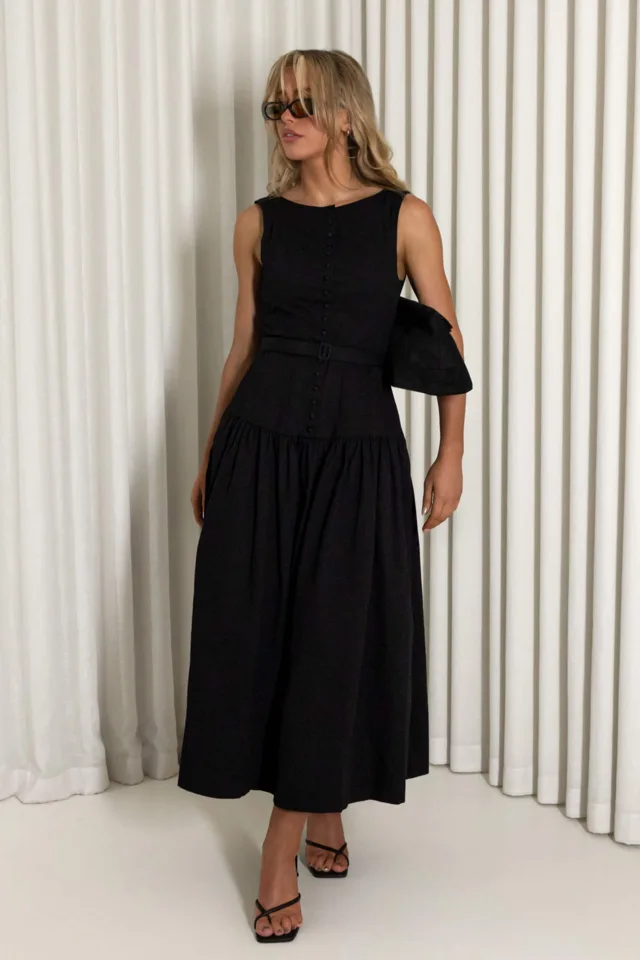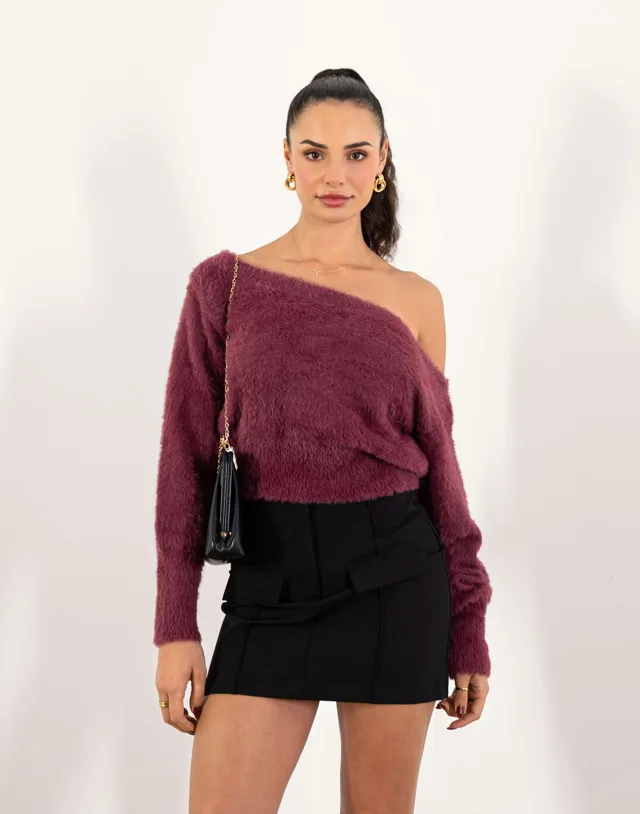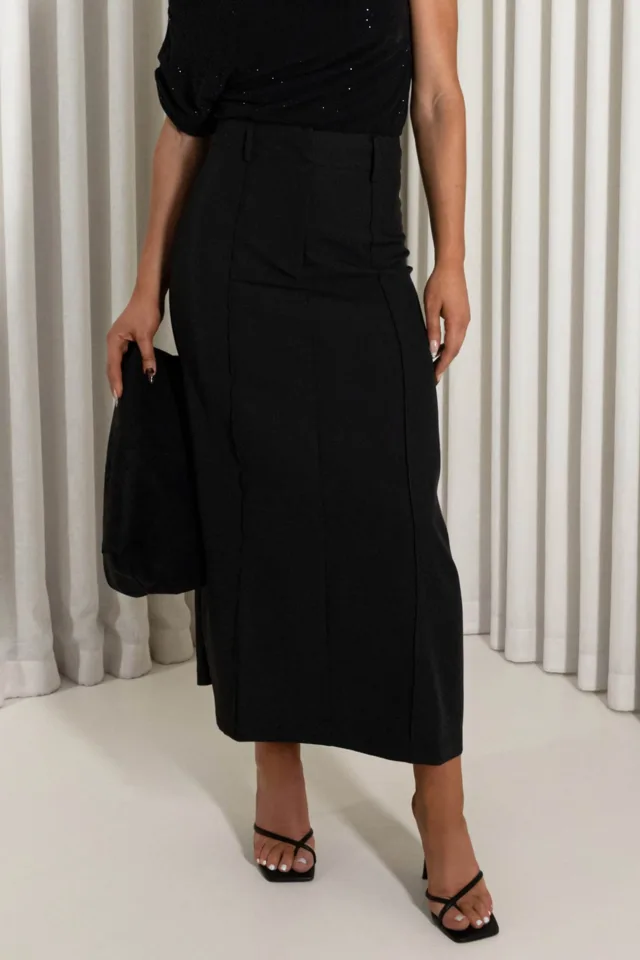
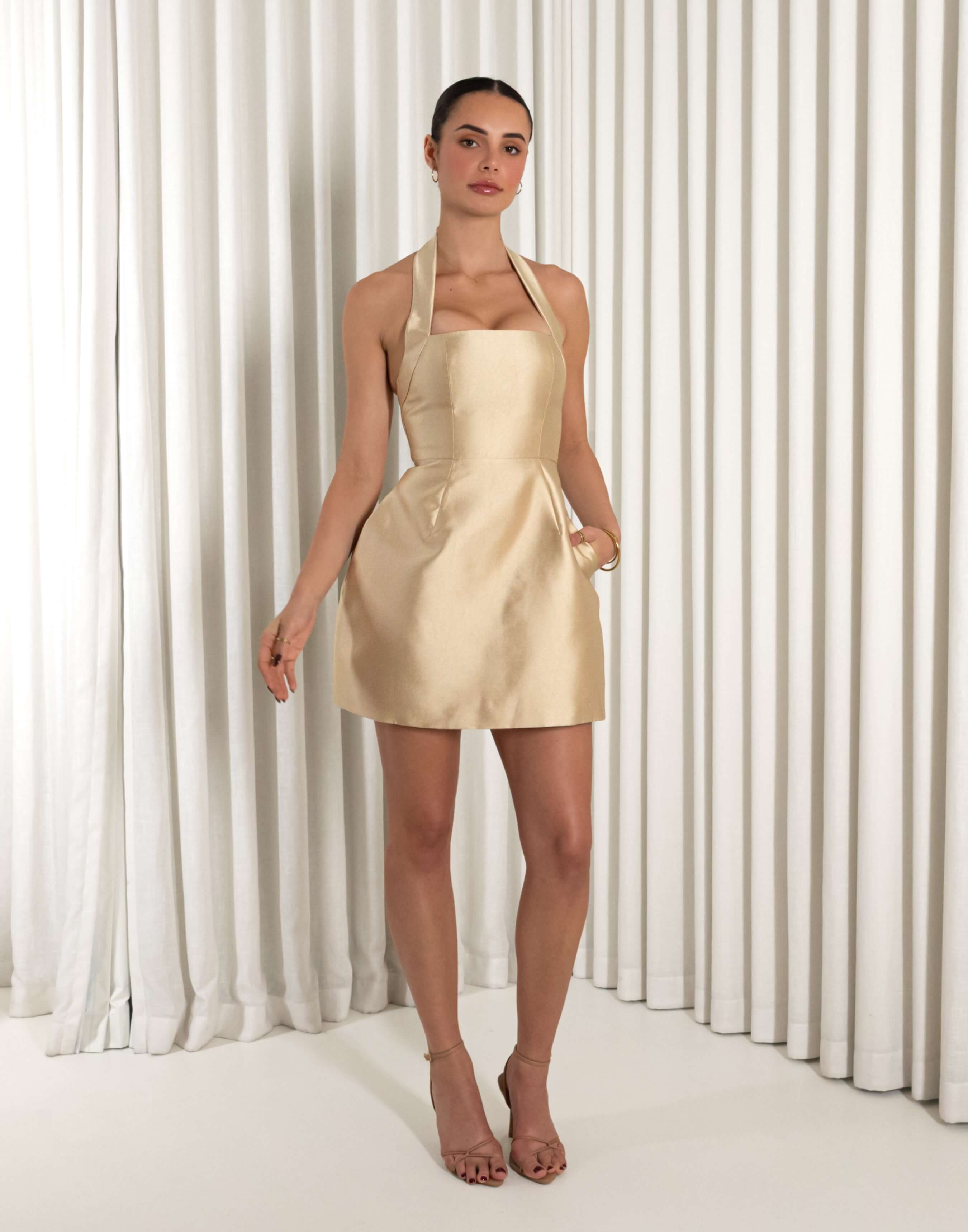
A halter dress gives your outfit a strong starting point: its neckline frames the shoulders and guides attention toward the face. The best halter dress accessories work with that shape instead of competing with it. Consider the neckline, the dress’s color and surface, and what the occasion asks of you. Then choose a few details that feel considered and comfortable. This approach makes occasion dress styling easier, whether you’re getting ready for dinner, a celebration, or an evening event.
Start With the Neckline
Before choosing jewelry, look at how the halter closes and how much skin it leaves visible. A high neckline or a broad band near the neck may already create a bold frame, so adding a necklace can make the area feel busy. In that case, let earrings, a bracelet, or a ring provide the finishing touch. If the neckline dips lower or leaves a clear open space, a fine pendant may fit naturally without crowding the dress.
Pay attention to straps and ties, too. Long ties or a prominent clasp can be decorative on their own; a necklace that tangles or sits directly over them may distract. Try the dress on, check the neckline from the front and side, and move your arms as you would during the event. A quick mirror check helps you see whether each piece has room to stand out.
Choose Jewelry With a Light Hand
Halter styles often leave the shoulders and arms uncovered, which gives you several ways to add shine. Pick one focal point: earrings, a necklace, or a wrist detail. For example, a pair of statement earrings can work beautifully with a bare neckline, while a simple necklace may be enough when your earrings are already noticeable. You don’t need to match every piece; repeating a metal tone or shape once or twice can make the look feel connected.
Consider scale as well as sparkle. Long earrings can echo the vertical line of a dress, while compact studs keep attention closer to the face. A slim cuff or a few delicate bangles add interest at the wrist, but check that they won’t catch on a delicate fabric or make movement awkward. For ideas about the dress itself, browse the Harriet Halter Dress and think about which jewelry shapes would complement its neckline rather than cover it.
Use Color and Surface as Your Guide
Accessories can either blend with a dress or create contrast. With a neutral or softly colored halter, a colored clutch or a distinctive shoe can bring definition. With a vivid or patterned dress, quieter accessories give the print room to breathe. If the dress has sheen, reflective jewelry may reinforce its evening character; matte or brushed finishes can offer a gentler contrast. These are options, not rules—what matters is whether the overall combination feels intentional to you.
Notice texture before adding more decoration. Satin-like surfaces, lace, beading, or visible seams each make a different impression, and the dress may already provide plenty of visual detail. Try accessories against the fabric in natural and indoor light when possible. Colors and metallic finishes can look different depending on the setting, so a brief check near a window and under the room’s lighting can help you decide.
Balance Shoes and Bag
Shoes influence the whole proportion of an outfit. A delicate sandal can preserve an airy feel, while a closed-toe shoe may suit a cooler evening or a more formal setting. Heels can change how a hem falls, but a lower heel, flat, or dressy sandal can be just as appropriate when it suits the event and lets you move with ease. Try your shoes with the dress before the occasion, especially if the hem sits close to the floor.
For a bag, consider both scale and usefulness. A small clutch or compact shoulder bag keeps the dress as the central feature, while a slightly roomier evening bag can be practical if you need a few essentials. Choose a finish that connects with one detail elsewhere—perhaps the shoe color, a jewelry tone, or a subtle accent in the dress. You don’t have to make your shoes and bag an exact set. A shared color family or level of formality is often enough.
Plan Layers Around the Straps
A layer may be useful for a cool room, travel, or a change in temperature, but a halter needs a little thought because traditional shoulder seams can cover or interrupt its lines. A cropped jacket, neat wrap, or soft shawl can offer coverage while allowing the neckline to remain visible. Check where the garment rests: a collar can compete with the halter, and a bulky shoulder may shift or hide its straps.
Think about when you’ll wear the layer. If it’s only for the trip between locations, choose something easy to remove and carry. If you expect to keep it on indoors, try the complete outfit together so the colors and proportions still feel balanced. For a different approach to event dressing, the Sammie Dress offers a useful point of comparison when you’re considering how sleeves and layers change an outfit’s overall shape.
Make the Outfit Suit the Occasion
Let the setting guide how much polish you add. For a relaxed dinner, a simple earring, comfortable shoe, and compact bag may be all you need. A dressier celebration might call for a more defined earring, a refined clutch, or a brighter shoe. For an event with lots of standing or walking, prioritize footwear you can comfortably wear for the expected schedule; the most appealing accessory is one you won’t spend the evening adjusting.
Consider practical details, too. If you’ll be eating, a bracelet that stays clear of the table may be easier than a stack of bangles. If you’ll dance or move between indoor and outdoor spaces, secure earrings and a bag that closes can make getting around simpler. Occasion dressing doesn’t require a specific level of sparkle. A thoughtful balance of formality, comfort, and personal preference is a strong guide.
Check Fit, Movement, and Fabric Care
Accessories should sit well with the dress, not pull at it. Try on your complete look and move naturally: turn, sit, reach, and walk. Check that necklaces don’t catch on ties, earring backs feel secure, and bag hardware doesn’t rub against the fabric. If you’re comparing silhouettes or planning a different outfit, the Dresses collection offers more styles to consider, and the size guide can help you review garment measurements as part of your decision.
Be especially gentle when storing or dressing around delicate, embellished, or easily marked fabrics. Put jewelry on after the dress when practical, and take it off before changing out of the dress to reduce snagging. Keep lotions, fragrance, and makeup from transferring onto fabric, and follow the garment’s care instructions rather than assuming every material can be cleaned the same way. After wearing, store the dress so straps and decorative details aren’t stretched or crushed.
Use a Simple Final Check
Lay out the dress, shoes, and bag, then add jewelry one piece at a time. Ask three questions: Does this accessory respect the neckline? Does it balance the dress’s color and texture? Will I be comfortable wearing it for this occasion? If one item feels distracting, remove it or swap it for something quieter. If the outfit seems too simple, add one deliberate point of interest rather than several competing ones.
There’s no single formula for halter dress accessories. The neckline gives you a helpful guide, but your event, preferred level of polish, and practical needs should shape the final choices. Keep the dress visible, make room for comfortable movement, and choose details that feel like you. A small, well-considered edit can make an occasion look feel complete without taking attention away from the halter’s distinctive shape.
Find a piece to make it your own.
Explore the current collection and ask us about the fit, details or availability of any style.
Explore Dresses