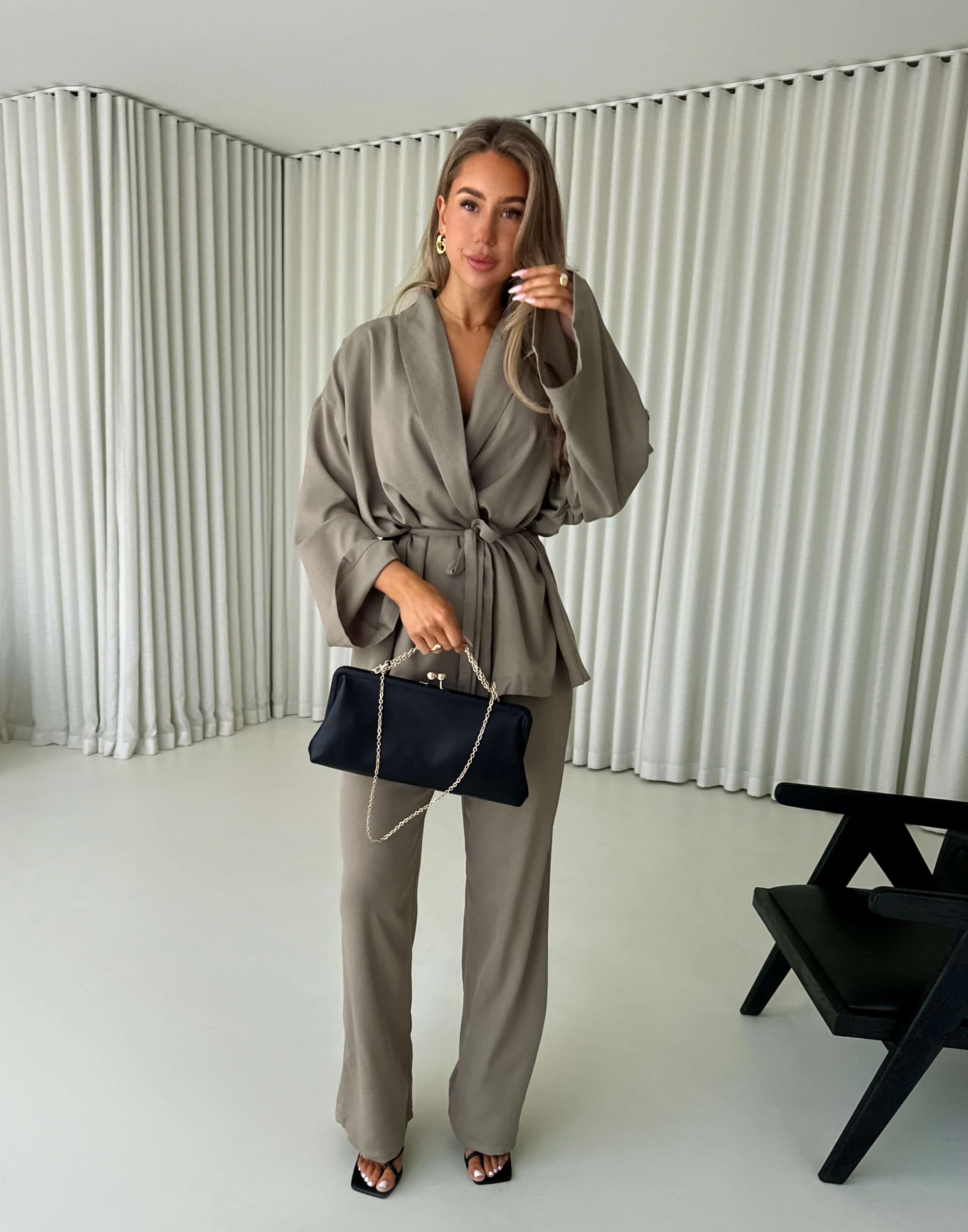
Planning a boutique size range is more than choosing a set of numbers for a buying sheet. It is a series of decisions about which pieces to offer, how to represent sizing clearly, and how to learn from the people who shop with you. Thoughtful retail planning can make a collection easier to navigate while giving a boutique room to refine its approach over time.
There is no universal size mix that fits every shop. A considered process begins with the boutique’s assortment, budget, supplier information, and customer conversations—not assumptions about who wears what. The goal is to make deliberate choices, communicate them well, and review what those choices teach you.
Start with the purpose of the assortment
Before selecting quantities, define the role each product should play. Is it a versatile everyday layer, a special-occasion option, or a statement piece that brings color or texture to a rack? Naming the purpose helps keep the buying conversation focused on the whole assortment rather than treating size distribution as an isolated calculation.
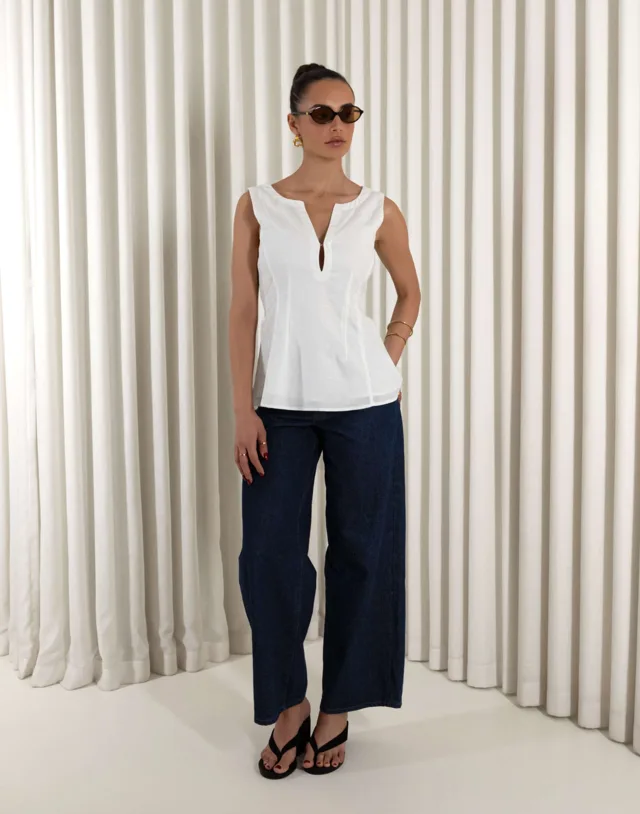
Look at categories together. A boutique may carry several kinds of bottoms, for example, with different rises, lengths, and degrees of structure. Reviewing the Bottoms collection can prompt useful questions about how those options fit into a balanced edit. One silhouette should not be expected to represent every shopper’s preferences, and a variety of shapes can make the selection feel more considered.
Set a practical limit for the buying period as well. Budget, available supplier sizing, and the number of styles you can present clearly all matter. A focused assortment with transparent details may be easier to manage than a broader range whose fit information is incomplete.
Read supplier information carefully
Size labels are only one part of the picture. Before placing an order, review the sizing information supplied for each style and note where details are missing or difficult to interpret. Check whether measurements, model information, or garment construction notes are provided, and distinguish documented facts from assumptions. If a detail matters to the decision and is not available, ask the supplier rather than filling the gap with a guess.
Consider how a garment’s shape may affect the way shoppers evaluate it. A high rise, a relaxed leg, a fixed waistband, a stretch component, or a defined shoulder can all influence how a piece is styled and experienced. These observations are not guarantees about fit; they are prompts for better questions and more useful product descriptions.
For instance, the Ramos Relaxed Pants can be part of a discussion about rise and leg shape when reviewing an assortment. Keep the language grounded in the available product details, and avoid treating one garment as a substitute for an entire size range.
Build a flexible size-range plan
A planning worksheet can make buying decisions easier to revisit. For each style, record the offered sizes, intended role, key measurements if provided, planned quantity, and the reason for the order. You can also note questions that need follow-up. This creates a trail of reasoning without suggesting that a single formula will predict every shopper’s needs.
Use the information you actually have. If customer requests are part of the decision, describe them in broad, respectful terms and avoid turning a few conversations into a claim about everyone. If the boutique is still learning about a category, mark the order as exploratory and decide in advance what you will review afterward.
When supplier options or budget limit the range for a particular style, be clear with yourself about that constraint. A planned range can be intentional without being presented as comprehensive. Revisit the overall assortment to see whether other silhouettes, fabrics, or categories offer different choices across the shop.
Think beyond the size label
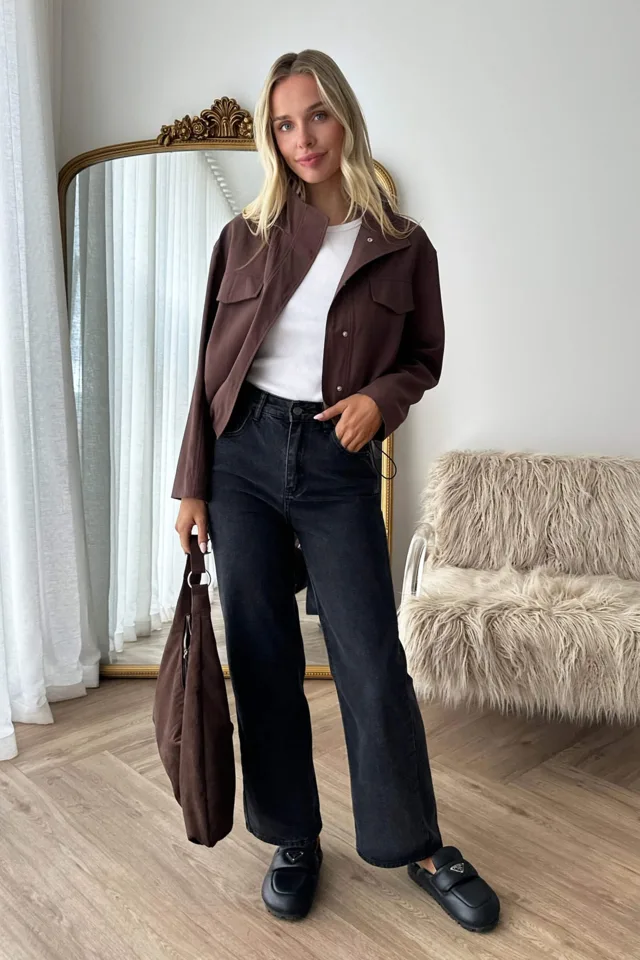
Useful merchandising shows how a piece might work in an outfit without implying that there is only one right way to wear it. A relaxed bottom can be paired with a tucked tee, a neat knit, or a shorter jacket, depending on the proportions a shopper wants. A more detailed piece might work with a simple top so its texture remains the focus. Offer options rather than rules.
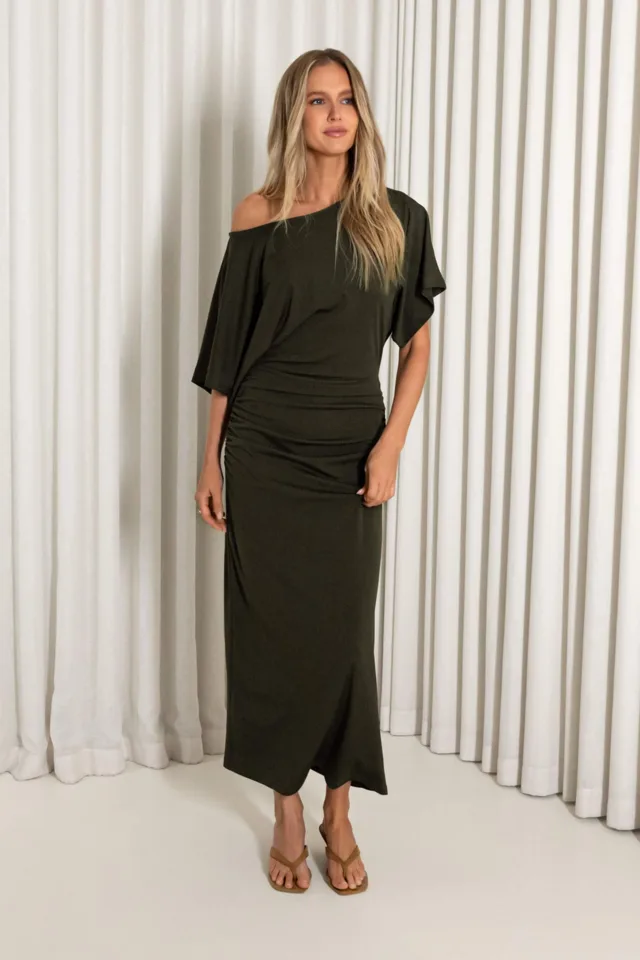
Layering can also make an assortment easier to imagine across changing temperatures and occasions. A lightweight shirt under a cardigan, or a jacket over a simple dress, gives shoppers a sense of how separate pieces can work together. If you feature the Cameron Mini Skort, for example, styling notes can describe possible tops and layers while leaving room for personal preference.
Accessories provide another low-pressure way to explain proportion. A belt can define a waist when someone wants that effect; a longer necklace can create a vertical accent; a structured bag can balance a softer outfit. These are optional styling ideas, not instructions tied to a particular body type, size, or age.
Make product details useful and honest
Clear descriptions help shoppers decide whether to explore a piece. Include the information available to you: stated measurements, closure details, rise or length notes, fabric information, and care guidance. Do not invent stretch, opacity, lining, or fit performance when those details have not been confirmed. If a measurement varies by size, present it accurately and make the reference point understandable.
Care notes should follow the garment’s label or reliable supplier guidance. Fabric can affect how a shopper thinks about wear and upkeep, so preserve specific washing and drying instructions rather than replacing them with broad promises. For delicate details such as lace, explain only the care information you can verify. The Colton Lace Pants can serve as a reminder to check garment-specific care instructions before writing a description.
A size guide is most helpful when its limits are apparent. Link to the boutique’s size guide, explain whether it reflects garment measurements or a supplier’s chart, and encourage shoppers to compare the information with a garment they already own if that is useful to them. Avoid promising an exact fit based on a chart.
Review the range without overreacting
After a buying period, compare the original plan with what you learned. Review customer questions, requests, returns or exchanges where applicable, and which product details shoppers needed clarified. Interpret each signal carefully: an outcome may reflect styling, price, timing, presentation, or a number of factors—not just the size range.
Keep notes by category and style so that one unusual result does not automatically become a permanent rule. Ask what might be tested next time: a different silhouette, clearer measurements, a small adjustment to the planned range, or more information before ordering. A flexible process treats each decision as something to assess, not proof that one group of sizes or one cut matters more than another.
When coordinating with vendors, prepare specific questions about available sizes, measurement charts, fabric composition, care, and ordering terms. The wholesale inquiry page can support that next step. Keep supplier replies with the relevant buying notes so future decisions have a reliable reference point.
Make the plan visible to the team
Even a small boutique benefits when the people choosing, describing, and displaying products share the same information. Keep a concise record of the intended assortment, verified product details, open questions, and the reasoning behind any unusual choice. That record helps prevent unsupported fit claims from slipping into a product page or a conversation.
Review the plan before each new buying cycle. What categories need more variety? Which details were hard to obtain? What did shoppers ask about most often? Use the answers to refine the next decision, while staying open to new information. Thoughtful boutique buying is not a promise of perfect prediction; it is a repeatable practice of making clear choices, communicating responsibly, and learning with care.
Find a piece to make it your own.
Explore the current collection and ask us about the fit, details or availability of any style.
Explore Bottoms