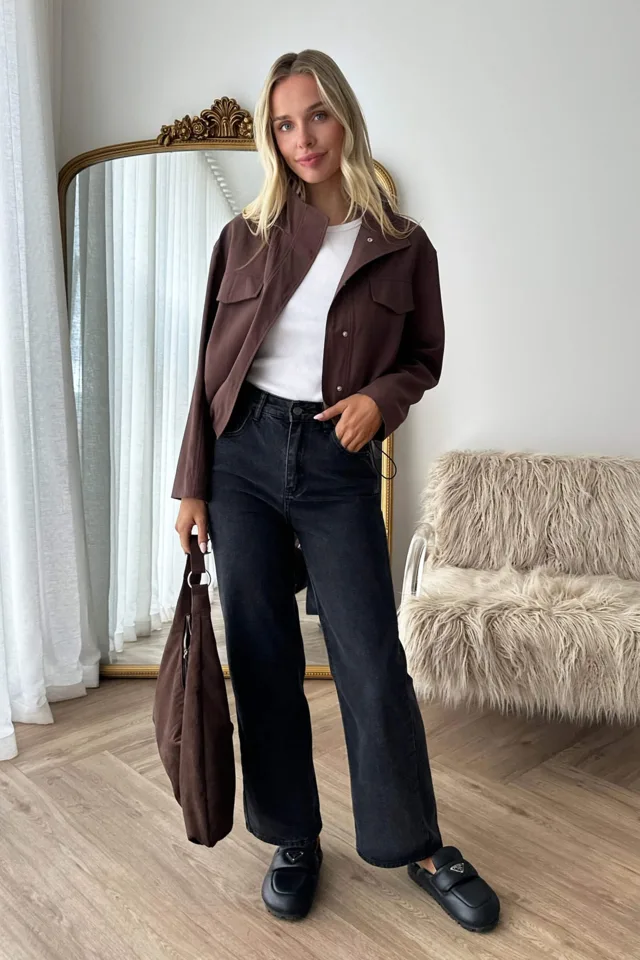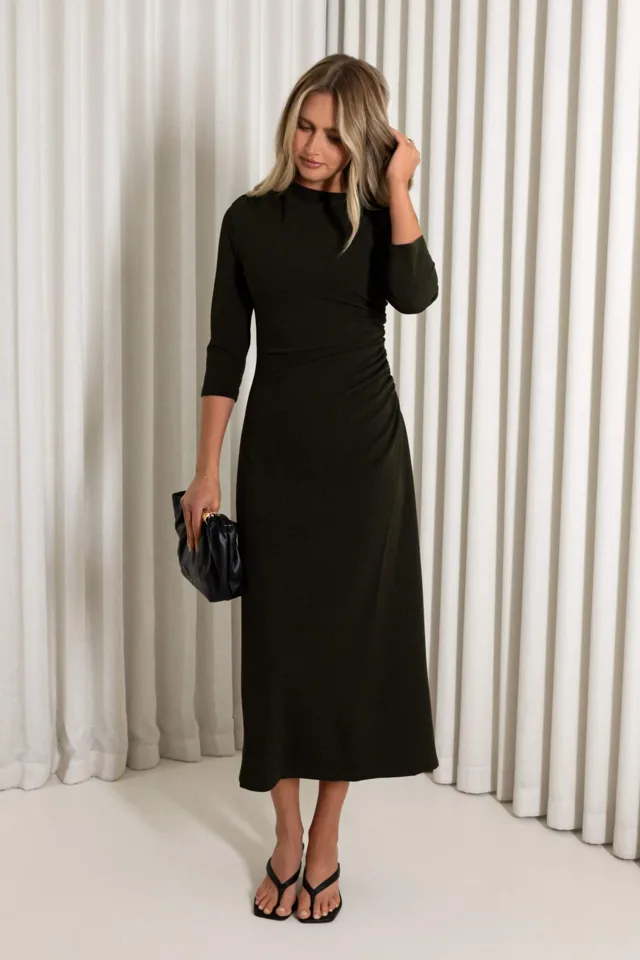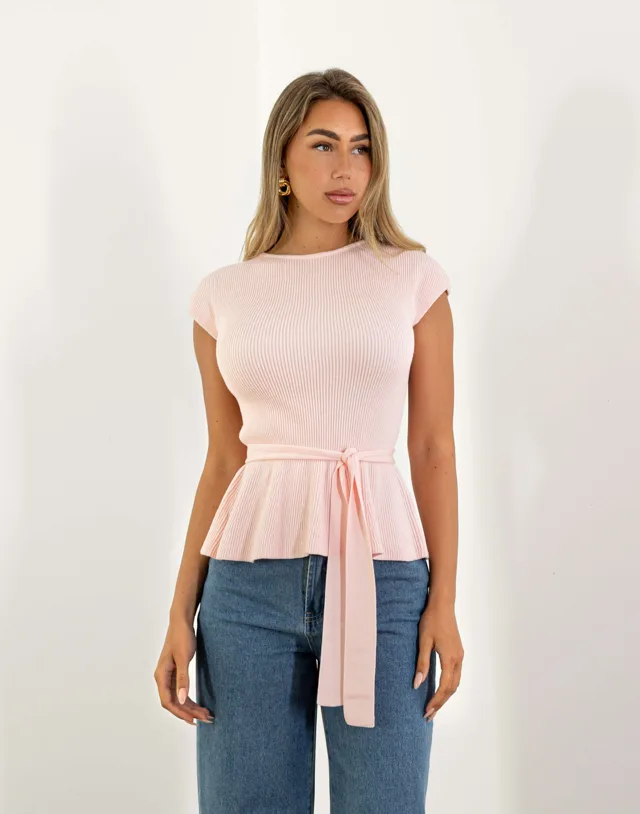
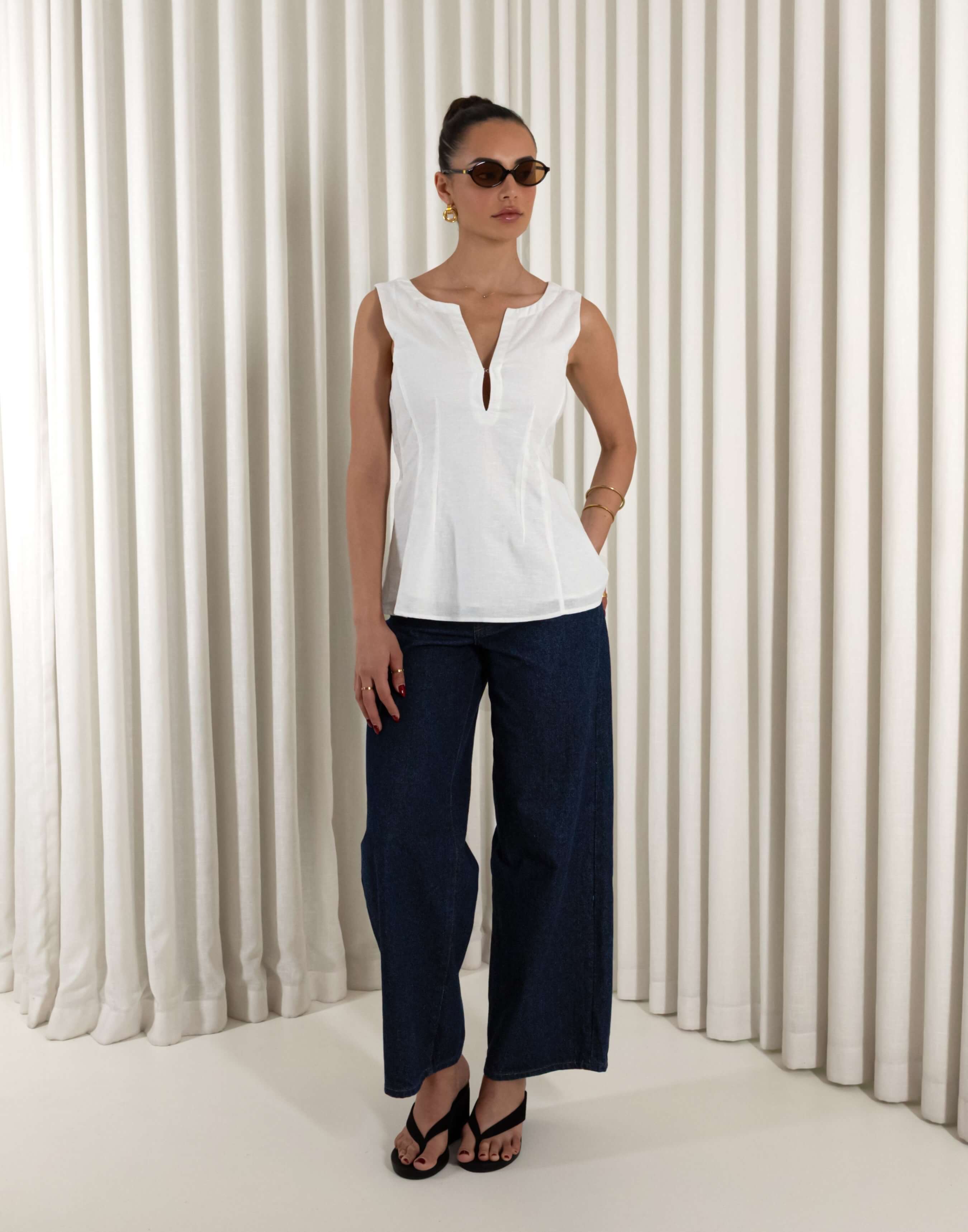
A seasonal boutique edit is more than a collection of pieces that look right together. It is a considered assortment that helps customers picture how to wear each item, what it can pair with, and how it fits into the changing weeks ahead. For boutique owners, thoughtful buying starts before selecting colors or placing orders: begin with a customer, a season, and a clear point of view.
There is no formula that guarantees the perfect mix. But a flexible process can make decisions easier to explain, compare, and revisit. Use the steps below to shape an edit that feels cohesive without making every choice in advance.
Start with a customer and a real-life context
Write a short description of the person you want this edit to serve. Focus on useful context rather than assumptions about age or body type: where she might wear the pieces, how often she gets dressed for changing temperatures, and whether she tends to reach for polished separates, easy layers, or a blend of both.
Then name a few occasions that matter in your shop’s world. A week might include work, errands, a casual dinner, or a weekend gathering. These are not separate mini-collections; they are prompts for checking whether the assortment has enough variety to feel useful. If most pieces suit only one setting, consider whether the edit needs a more relaxed option or a layer that makes an outfit feel finished.
Keep this customer note brief enough to use while buying. When a product is appealing but difficult to connect to the edit, ask what role it plays. A clear answer is more helpful than choosing an item because it seems seasonally interesting on its own.
Build around a wearable outfit framework
Before reviewing individual styles, sketch a few outfit combinations. For example, a top might work with a skirt or trousers, while a light layer gives the same base outfit another option. Think in terms of proportion: a relaxed top may pair well with a more streamlined bottom, while a closer-fitting layer can balance a fuller silhouette. These are styling possibilities, not rules; personal preference and the garment’s actual shape matter.
Use a small outfit map to spot gaps. Could a customer combine several pieces without needing to buy the entire assortment? Are there tops that work with both casual and more polished bottoms? Do colors connect naturally, or does each piece need a special match? A coordinated palette can make mixing easier, but a few deliberate contrast pieces may keep the edit from feeling overly uniform.
Product examples can help make the exercise concrete. Consider how the Rory Linen Blend Top might fit into a broader tops story, then compare it with the crisp, layered styling possibilities of the Ollie Linen Shirt. The point is not to assume how a customer will wear either piece; it is to ask what combinations and occasions each one could support.
Plan for weather shifts, not just a calendar
Seasonal transitions are rarely tidy. A useful edit can acknowledge warm afternoons, cooler mornings, indoor air conditioning, or a changeable forecast without relying on one temperature. Consider whether the assortment offers enough layering choices and whether the fabrics make sense for the conditions customers are likely to encounter.
Think through the layer sequence: a breathable base, an easy shirt or cardigan, and an optional finishing piece. A knit such as the Wendy Cable Knit can prompt questions about how a knit might complement lighter tops and whether its color supports the rest of the palette. Avoid treating any fabric as care-free. Encourage customers to check the garment’s care label, and consider how laundering or storage needs may affect the appeal of an item.
For a transition edit, ask whether a piece can be worn now and later with a change of layer or accessory. Versatility does not mean every item must work in every season; it means the reason for including it is clear.
Use a balanced assortment, not a crowded rack
Assortment planning is the work of deciding how the pieces relate, not simply adding more choices. Group potential buys by role: everyday foundations, noticeable accents, easy layers, and occasion-friendly options. The categories can overlap, but naming them helps reveal when one role is taking up too much of the edit.
Consider variety across color, texture, silhouette, and styling effort. Several pieces may share a palette while offering different proportions or levels of polish. If two candidates appear to serve the same purpose, compare their fit within the outfit map, not just their individual appeal. One may be easier to combine; the other may bring a distinct visual note. Either can be the better choice depending on the edit’s needs.
Review size and fit information as part of product evaluation. Avoid assuming a garment will fit everyone in the same way, and make useful fit details easy for customers to find. A clear size guide can support a more informed shopping experience, while accurate product information helps shoppers decide whether a style suits their preferences.
Give each buy a simple decision test
When you are uncertain, evaluate each candidate against the same questions. Does it serve the customer and occasions you identified? Can you name at least one realistic outfit combination? Does it add something distinct to the assortment? Is the season and care expectation understandable? Can you describe its role without relying on vague language such as “must-have”?
Use a simple scorecard, but leave room for judgment. A short note beside each style can record its role, possible pairings, color relationship, and any detail to confirm before committing. If information is missing, mark it as a question rather than filling the gap with an assumption. This keeps a promising idea separate from a verified product detail.
For wholesale planning, gather the details you need before reaching out. Reviewing the wholesale inquiry page can help you prepare questions and organize the information relevant to your buying process. Treat the conversation as a chance to clarify terms and product details, not as a reason to assume availability or a particular outcome.
Check the edit as a whole before committing
Lay out the proposed assortment in one view, whether that means a spreadsheet, a board, or a set of product images. Look for visual repetition, missing layers, and pieces that do not connect to anything else. Then test a few complete looks, including one with minimal accessories and another with a more finished touch.
Accessories can change the feel of an outfit without requiring a new clothing category. A belt can define a waist if the wearer prefers; a simple necklace or earrings can add polish; a scarf can introduce color or an extra layer. Keep the styling suggestions optional and proportionate to the garment. The goal is to show possibilities, not prescribe one way to dress.
Finally, scan for practical clarity. Are product descriptions specific? Are care details available where appropriate? Does the assortment have a recognizable mood without making every item look alike? A cohesive edit should make browsing easier while leaving customers room to choose pieces that suit their own wardrobes.
Keep the process flexible after the buy
A buying plan is a decision framework, not a promise that every item will perform in a particular way. Leave space to notice customer questions, styling challenges, and changing weather once the season arrives. Use those observations to inform future edits without turning a few conversations into universal conclusions.
When an assortment feels uncertain, return to the basics: who it serves, what outfits it enables, how the layers work, and why each item earns its place. That repeatable check makes a seasonal boutique edit more intentional without removing the creativity that makes boutique buying enjoyable. The strongest plan is clear enough to guide decisions and flexible enough to adapt.
Find a piece to make it your own.
Explore the current collection and ask us about the fit, details or availability of any style.
Explore Tops & shirts