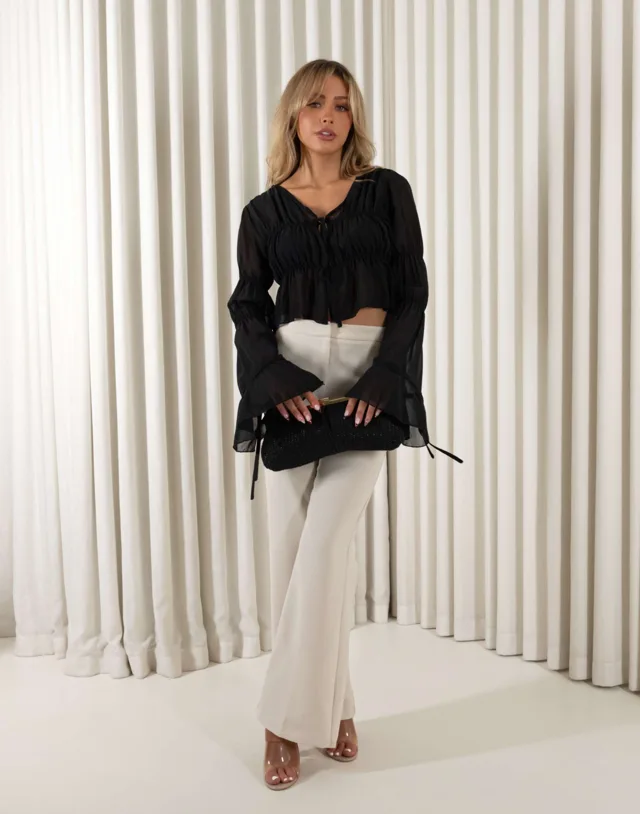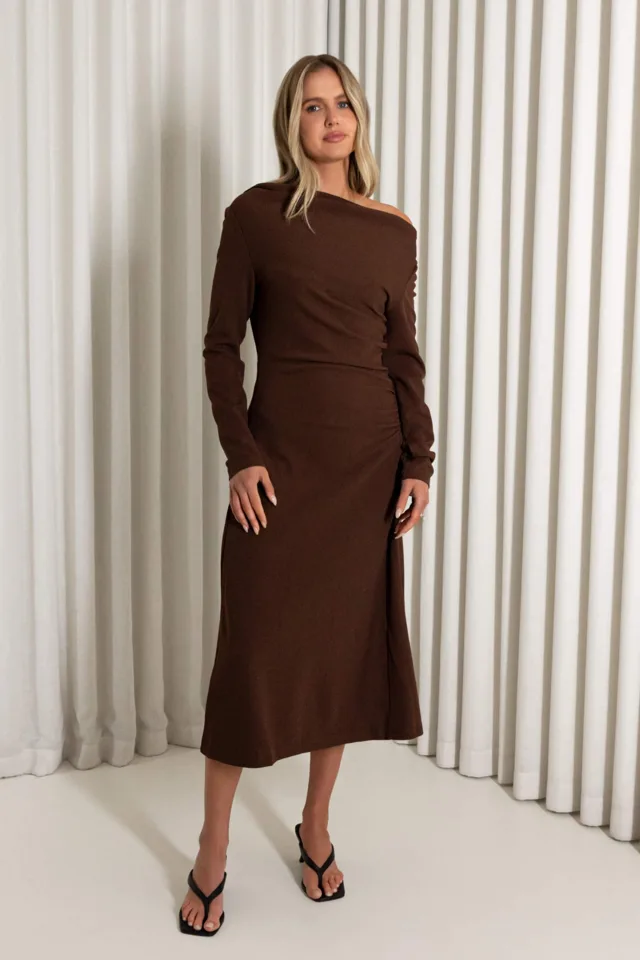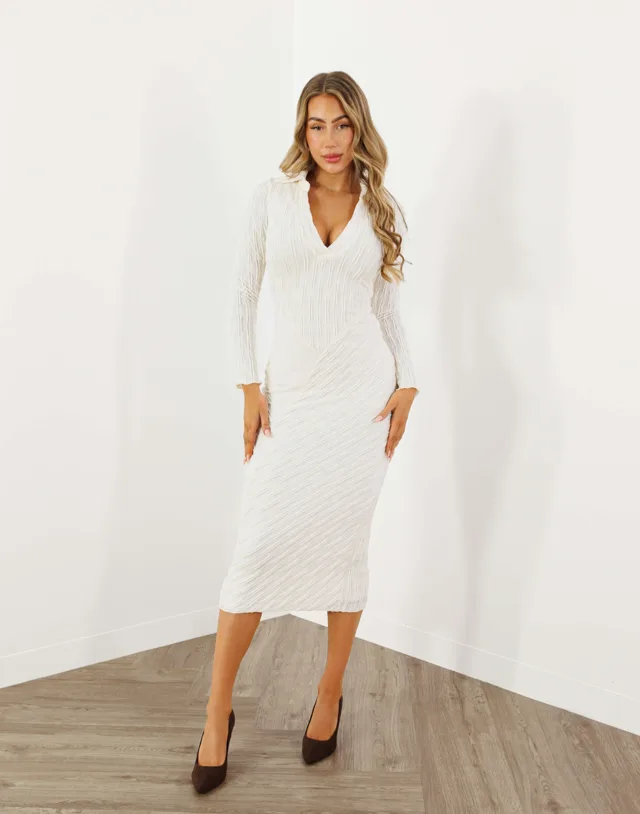
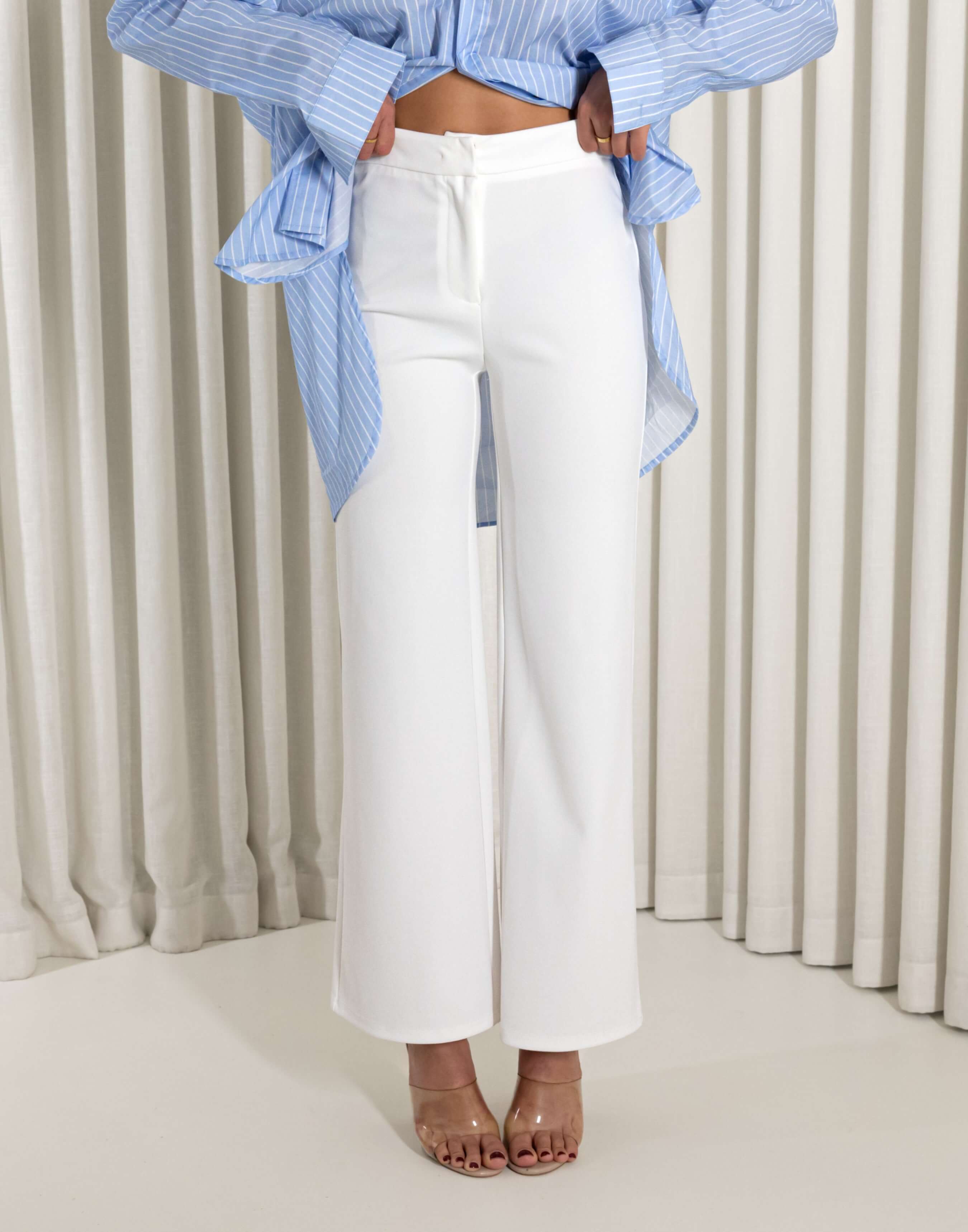
Straight-leg pants have a quietly useful quality: their line is simple enough to pair with familiar favorites, yet polished enough to make an everyday outfit feel considered. The leg falls in a fairly consistent line from hip toward hem, though the exact shape, rise, and width vary by design. That makes them a flexible starting point rather than a one-formula piece. A tucked shirt can look crisp; a soft sweater can feel relaxed; a jacket can add definition when the day calls for more structure.
The easiest way to style them is to think through three choices: where you want the outfit’s volume, what kind of shoe will meet the hem, and how much structure suits your plans. From there, color and accessories can do the finishing work. Use these ideas as a guide, not a set of rules; comfort, personal preference, and the details of the particular pair matter most.
Start with the shape and rise
Before choosing a top, notice the pants’ rise, waistband, and leg width. A higher rise may work naturally with a tucked or cropped top, while a lower rise can pair comfortably with a longer layer. A closer-fitting straight leg often reads a little neater; a relaxed straight leg offers more ease through the leg. Neither needs to be styled in only one way. The goal is to make the combination feel intentional, not to balance proportions according to a strict formula.
Check how the pants sit when you move, sit, and walk. A waistband that feels comfortable through those small motions makes a stronger foundation than a look that works only when standing still. If you’re comparing measurements or deciding between sizes, consult the size guide as one helpful reference alongside the garment details. For a relaxed brown option to consider, see Christian Relaxed Pants.
Choose a top by volume and finish
A fitted tee or fine knit gives straight-leg pants a clean, uncomplicated partner. It keeps the outline close without making the outfit feel overly formal. For an easy waistline, tuck in just the front or tuck the whole top if that feels comfortable. A tucked top can also show the waistband as a deliberate detail, especially with a belt. If you prefer more coverage, let a top fall naturally and add a shorter jacket or open layer to create another point of shape.
Roomier shirts and blouses work well, too. Try leaving a button-down open over a simple tank, or loosely tucking one side to keep the outfit from feeling too uniform. With a fuller top, consider the pants’ rise and hem so the whole look still feels easy to move in. A soft blouse gives everyday tailoring a lighter mood; a crisp shirt makes it feel more composed. For more relaxed pants inspiration, compare how a softer silhouette might fit into the same top combinations.
Build easy outfits around the occasion
For a casual day, pair straight-leg pants with a crewneck tee, a light overshirt, and low-profile sneakers. A small crossbody or canvas-style carryall keeps the finish practical without competing with the clean line of the pants. If the outfit needs a little more polish, swap the tee for a smooth knit or tucked-in blouse and choose loafers or simple flats. A restrained palette—such as brown with cream, or denim with a soft neutral—makes mixing familiar pieces straightforward.
For a relaxed workday or lunch, combine the pants with a button-front shirt and a cardigan or unstructured jacket. Keep one layer open if you want the shirt to remain visible, or wear the cardigan on its own as a soft top. For an evening plan, a refined top, modest jewelry, and a shoe with a sharper toe can shift the mood without requiring a full change. These are starting points, not dress codes: adjust the layers and shoes to the setting and to what feels like you.
Let the hem guide your shoes
The hem and the shoe work together, so check them as a pair. A hem that sits near the ankle can show more of a sneaker, flat, or sandal; a longer hem may fall closer to a loafer or low heel. Look at the pants while standing and walking, and notice whether the fabric catches underfoot or bunches in a way you don’t like. Small differences in shoe height can change how the hem falls, which is why trying the combination together is more useful than judging either piece alone.
For a streamlined effect, choose a shoe that echoes the pants’ tone or keeps to a quiet neutral. To make the footwear a focal point, try a contrasting color or a distinct shape. Boots can add weight and warmth, while flats keep the outfit light. If you’re drawn to a wider silhouette as another option, Tanner Wide Leg Jeans offer a useful comparison for thinking about how a different leg shape changes the overall outfit.
Use layers and accessories with purpose
A layer can add structure, warmth, or color without changing the base outfit. A short jacket draws attention toward the waistband; a longer open cardigan creates a softer vertical line. A blazer makes a tee-and-pants pairing feel more finished, while a denim or utility-style jacket keeps it casual. Consider sleeve volume and fabric weight alongside the pants: a substantial outer layer may feel best over a simple top, whereas a lighter layer can sit comfortably over a blouse.
Accessories are most helpful when they solve a small styling question. A belt can define the waist or connect the shoes to another color in the outfit. A scarf can add interest to a quiet palette; understated earrings or a watch bring polish without adding another layer. Choose a bag that suits what you need to carry and the occasion. Rather than adding every finishing touch at once, pick one or two that make the outfit feel complete.
Consider fabric, color, and care
Fabric affects how straight-leg pants drape and how they feel through a day. A crisp woven fabric may hold a cleaner line, while a softer fabric can read more relaxed. Denim and cotton blends also vary, so check the care label on the specific garment rather than relying on a general rule. Follow its washing and drying instructions, and take extra care with details such as color, texture, or a pressed crease. When in doubt, gentler handling can help you avoid treating different fabrics as though they were identical.
Color can make outfit planning easier. A neutral pair often coordinates with tops already in your wardrobe, while a deeper or more distinctive shade can become the anchor of a simple look. Try repeating one color in a small accessory or shoe for a connected finish, or keep the rest of the outfit understated and let the pants stand out. The Bottoms collection is another place to explore different colors and silhouettes when you’re considering what kind of everyday tailoring suits your routine.
A flexible outfit check
Before heading out, use a quick three-part check. First, make sure the waistband and rise feel comfortable in motion. Next, look at the top, layer, and pants together: do you like where the outfit feels fitted or relaxed? Finally, check the hem with your chosen shoes and confirm that the length feels practical. If something seems off, change one element at a time—a tuck, a different shoe, or a lighter layer—rather than rebuilding the entire outfit.
Straight-leg pants earn their place through adaptability. They can support a crisp shirt one day and a favorite tee the next, with the same pair taking on a different mood through shoes, layers, and accessories. Start with comfort and the line you enjoy, then adjust for your plans and the fabric. That simple process turns pants outfit ideas into wearable combinations, while keeping everyday tailoring personal and easy.
Find a piece to make it your own.
Explore the current collection and ask us about the fit, details or availability of any style.
Explore Bottoms