A midi dress offers plenty of styling range, but its hemline makes shoes a noticeable part of the outfit. The right pair can make a look feel easy for daytime, refined for dinner, or ready for cooler weather. Start with the dress’s shape and the setting, then consider proportion, comfort, and the details you want to emphasize. There is no single correct shoe for every midi; a useful shoe pairing supports the way you want to wear the dress.
Begin with the hemline and silhouette
Midi lengths can end anywhere from below the knee to above the ankle, so check where your dress falls while you are standing and walking. A hem that stops near the narrowest part of the lower leg leaves more space for a shoe to show. A longer, fuller skirt may cover much of the shoe, making its toe, sole, or color the detail that stands out.
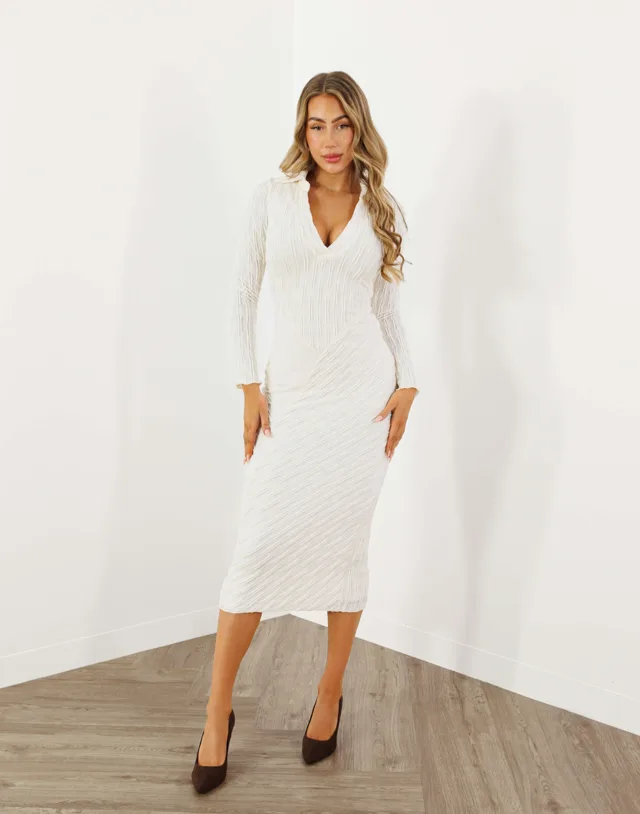
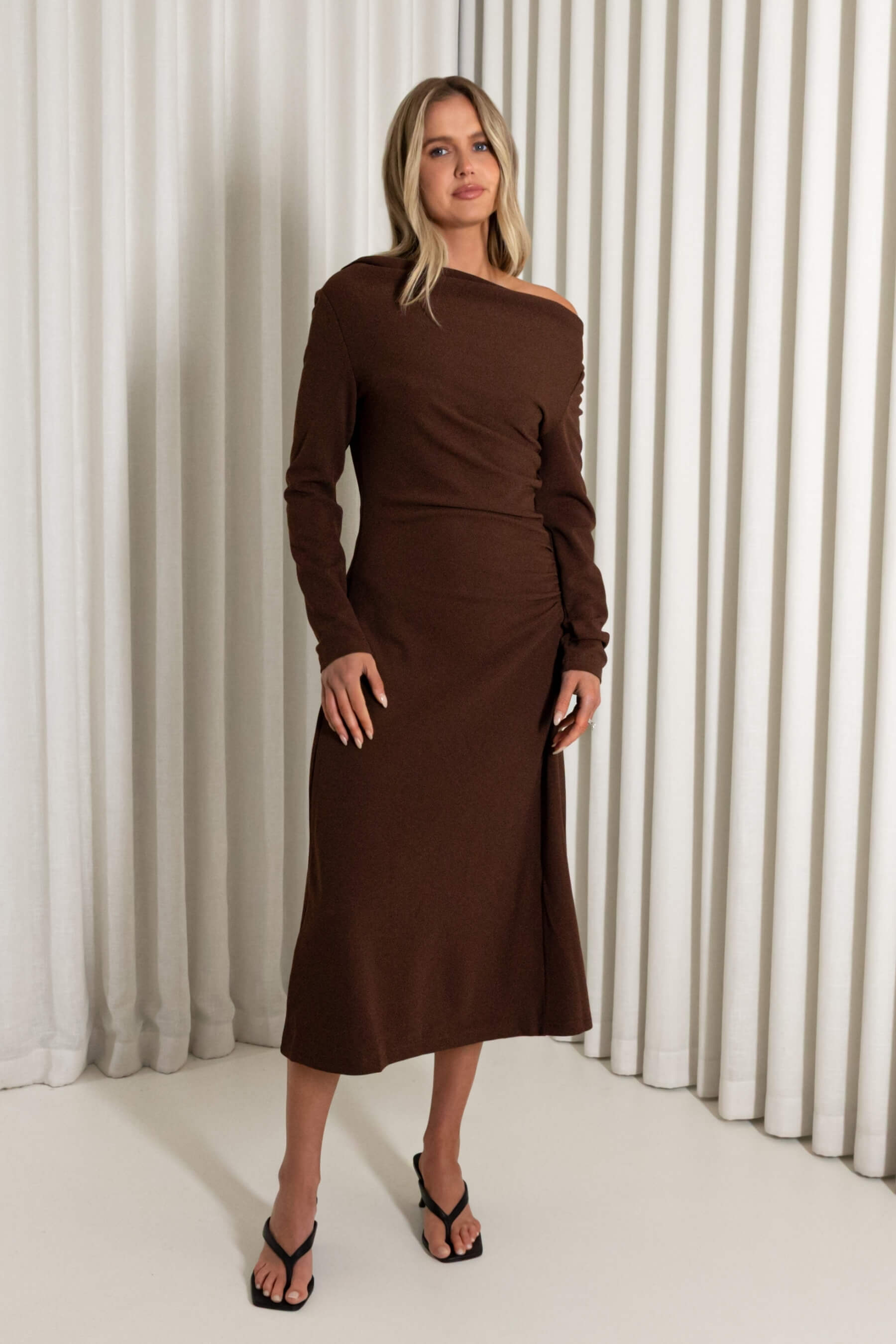
Consider the overall shape, too. A flowing skirt can balance with a defined shoe, such as a slim sandal or a neat flat. A straighter or more structured dress may welcome a chunkier loafer or boot. These are starting points, not rules: try the combination and see whether the outfit feels harmonious to you. For a dress to use as a reference, browse the Shannon Midi Dress and imagine how its hem would work with shoes already in your closet.
Choose shoes for the occasion
For errands, lunch, or a relaxed daytime plan, try clean sneakers, simple flats, or low-profile sandals. These choices keep a midi dress approachable and make it easy to move through a full day. If you prefer a more dressed-up finish, a low block heel, slingback, or refined sandal can add polish without making the shoe the whole story.
For evening plans, look at the dress fabric and accessories as well as the calendar. A sleek flat can feel intentional with a fluid dress and a small bag; a heel can bring extra formality to a simple silhouette. At a casual gathering, a woven or leather-look sandal may be enough. Rather than dressing for an imagined rule, match the shoe to the actual setting, how much walking is involved, and what makes you comfortable.
Balance visual weight and proportion
Shoes help distribute visual emphasis from the hem down. A delicate dress may feel balanced with a similarly light shoe, while a substantial fabric or broad skirt can hold its own beside a more solid sole. If an outfit feels bottom-heavy, try a lower-profile shoe or a color closer to your skin tone or tights. If it feels too floaty, a loafer, ankle boot, or sandal with a wider strap can add definition.
There is no need to make your legs look longer or disguise any feature. Instead, notice the effect you enjoy: a pointed toe may create a streamlined impression, while a rounded toe can feel softer. A shoe in a contrasting color creates a clear endpoint; a tonal shoe blends into the outfit. Try both if you are undecided, and judge the full-length view rather than focusing on one detail.
Use color and texture with intention
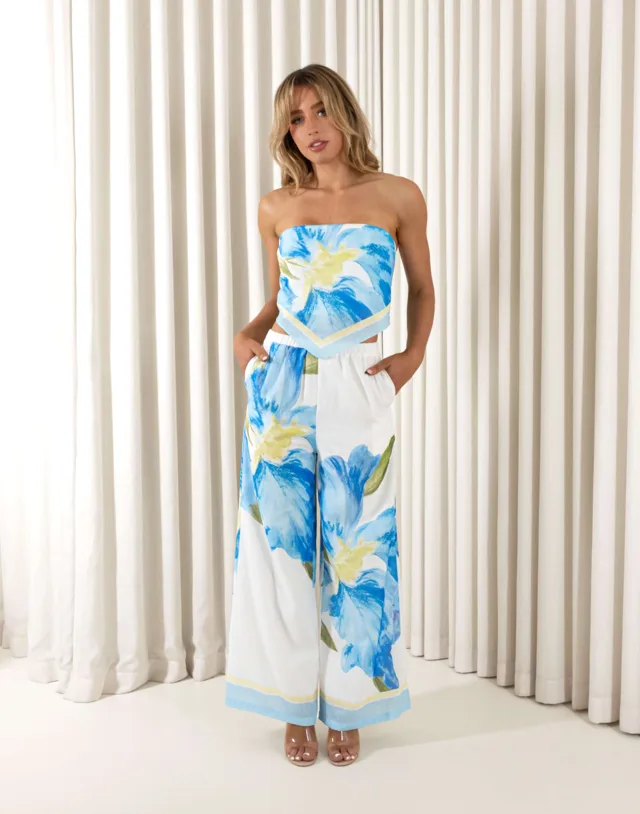
A shoe can repeat a color already present in a print, bag, belt, or jewelry, creating an easy connection across the outfit. Neutrals are flexible, but a bright or dark shoe can also work as a deliberate accent. With a patterned midi, a simple shoe often gives the print room to stand out. With a solid dress, texture—such as a woven finish, polished surface, or suede-like appearance—can add interest without introducing another strong color.
Think about the whole outfit rather than trying to match every item exactly. For example, a warm-toned dress could work with a tan shoe, a metallic accent, or a contrasting color already in a print. If you are browsing more silhouettes, the Dresses collection can help you compare how different dress shapes might pair with the same footwear. Keep the shoes simple when accessories are already bold, or let one distinctive pair lead and keep the rest understated.
Account for weather and layers
Seasonal layers change the best shoe pairing. In mild weather, sandals and flats leave the ankle visible and keep the outfit light. When temperatures drop, try ankle boots, tights, and a cardigan, jacket, or coat. Check where the boot shaft and dress hem meet: a small gap, overlapping hem, or visible tights can each look intentional, while an awkward hem-and-shaft collision may distract from the outfit.
For rain or uneven sidewalks, choose footwear suited to the conditions rather than relying on appearance alone. A practical sole may be more useful than a delicate one, and a layer can make the same dress feel appropriate for a different season. Keep fabric care in mind: before wearing a new shoe with a dress, check for rough edges, color transfer, or hardware that could snag delicate fabric. Follow the care instructions for the dress, especially when storing it with textured shoes or accessories.
Make comfort part of the decision
A polished outfit is easier to enjoy when the shoes suit the day’s demands. Think about walking distance, standing time, indoor and outdoor transitions, and whether you will want to change footwear. If you are trying a new pair, test the complete outfit at home and walk around in it. Notice pressure points, heel stability, and whether the hem catches on the shoe. Choose a different pair if the combination makes movement feel awkward.
Comfort is personal, so prioritize what works for you rather than a prescribed heel height or shoe shape. A flat can feel dressy with thoughtful styling, and a heel can be a practical choice when it is familiar and suited to the occasion. The same flexibility applies to dress selection: use the size guide as one reference when considering proportions, while remembering that fit preferences and styling choices vary.
Use a simple try-on process
When you are unsure, lay out two or three shoe options and compare them with the dress, bag, and any layer you plan to wear. First, check the hem and silhouette. Next, ask whether the shoe suits the setting and expected amount of walking. Then look at color and visual weight: does the shoe connect with the outfit or provide a contrast you enjoy? Finally, walk, sit, and move in the full look.
This quick process keeps the choice practical without limiting creativity. Sneakers can make a midi feel relaxed; boots can give it structure; sandals, flats, and heels can each shift its mood in different ways. Let the dress, the day, and your own preferences guide the final combination. The best midi dress shoes are the ones that make the outfit feel considered and let you wear it with ease.
Find a piece to make it your own.
Explore the current collection and ask us about the fit, details or availability of any style.
Explore Dresses