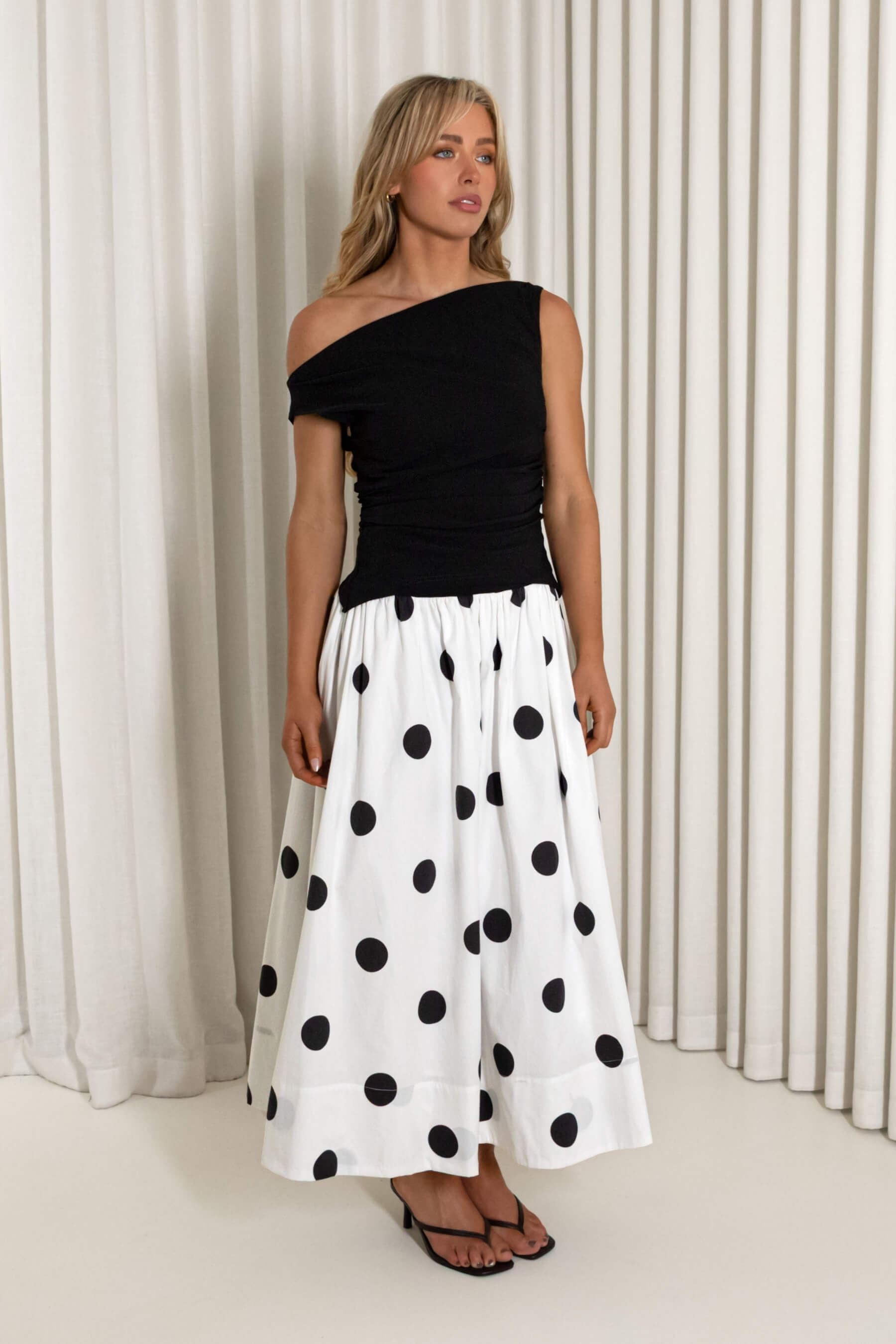
A special-occasion outfit does not need a long list of accessories to feel finished. Often, a clear focal point and a few well-chosen supporting pieces make a more memorable impression than adding something to every available spot. The aim is not to follow a strict formula; it is to let the dress, the event, and your own preferences guide the finishing touches.
This less-is-more approach makes getting dressed simpler, too. Instead of asking what else you can add, begin by noticing what the outfit already offers: color, pattern, neckline, sleeve shape, texture, and movement. Then choose accessories that complement those details and suit the practical demands of the occasion.
Start with the dress, not the accessory drawer
Lay out the dress and consider its strongest feature. A vivid print may already supply plenty of visual energy. A clean, simple silhouette can leave room for a more noticeable earring, shoe, or bag. Neither needs to be corrected; they simply call for different choices. Let the dress set the level of detail rather than trying to make every component stand out equally.
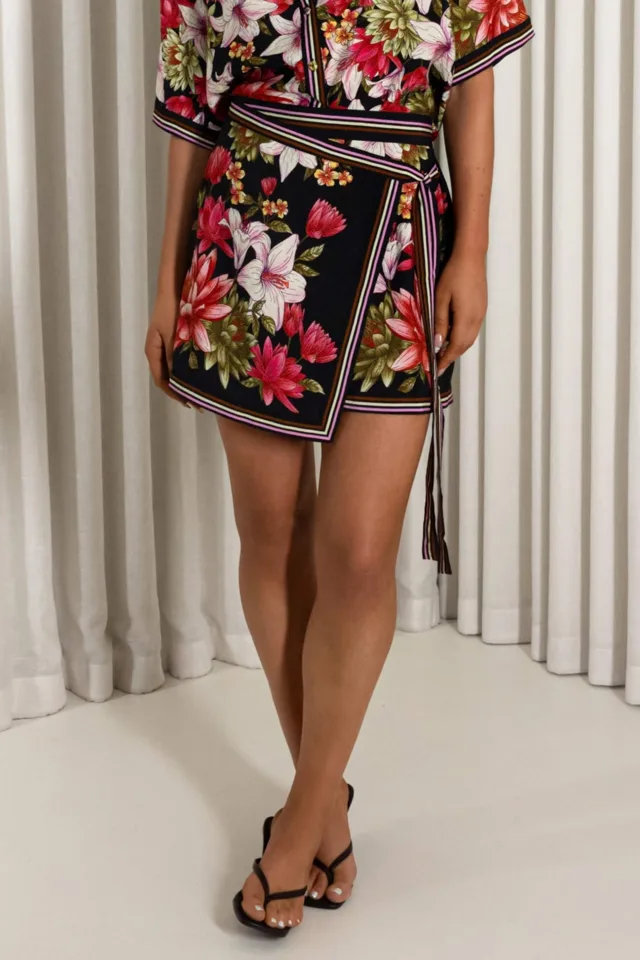
Look at color and pattern in natural light if you can. Accessories can echo one color in a print, coordinate with its overall mood, or introduce a quiet contrast. They do not have to match a dress exactly. For a starting point, compare the Geoff Floral Dress with the shapes and colors in your own wardrobe, then imagine which one or two accents would feel natural beside its print.
Also consider the full outfit from a few steps away. A combination that looks appealing close up can feel crowded when every element has a competing scale or finish. Remove one item temporarily and see whether the overall look becomes clearer. That quick edit often tells you more than adding another accessory.
Choose one focal point for jewelry
Jewelry is easiest to balance when one area leads. That might be a pair of earrings, a necklace, a bracelet, or a ring you especially enjoy wearing. Other pieces can be quieter companions, or you can leave them out. The focal point can shift with the dress: a prominent neckline may make earrings the natural choice, while a simpler neckline may leave space for a necklace.
Think about how jewelry sits with the garment. A long necklace can move against a textured or printed bodice; a short necklace may sit more neatly above it. Earrings should feel comfortable alongside the neckline and hairstyle you plan to wear. If you are layering necklaces or bracelets, vary their lengths or shapes enough that the details remain distinct rather than blending into a tangle.
There is no requirement to wear a matching set. A coordinated color family or similar sense of formality can feel connected without looking overly uniform. For a patterned dress, try simpler jewelry first. For a quieter dress, consider one more expressive piece, then pause before adding another.
Let shoes support the whole evening
Shoes influence the outfit’s proportions as well as your comfort. A delicate shoe can preserve a light, fluid impression, while a more substantial shape may ground a fuller skirt or a dress with strong visual detail. Consider hem length, how much of the shoe will show, and whether you will be standing or walking between parts of the event.
Choose a pair you can wear with ease for the plans you actually have. If a celebration includes uneven paths, a long walk, or time on your feet, a stable heel or polished flat may be more useful than a shoe chosen only for photographs. A small height change can also affect where a hem falls, so try the complete outfit together before the event.
Color can either blend quietly with the dress or provide a considered accent. A neutral shade is one option, not a universal answer. If the dress already has several colors, picking up one of them in the shoes can connect the outfit. Keep the rest of the accessories restrained if the shoes are the feature you want noticed.
Pick a bag with a clear purpose
An occasion bag should suit both the outfit and what you need to carry. A compact shape can keep the look streamlined when you only need a few essentials. If you need more room, choose a bag that feels intentional with the dress rather than squeezing belongings into something impractical. Think about closure, how you prefer to carry it, and whether you will want your hands free.
Texture and finish help a bag relate to the rest of the outfit. You can coordinate it with shoes or jewelry, but matching every finish is not necessary. A bag in a related tone, or one with a simple shape, can bring balance without adding another focal point. If your dress has a bold print, a less detailed bag often lets its pattern remain the star.
Do a quick capacity check before leaving. Carry only what you expect to use, and make sure the bag closes comfortably. A bag that is too full can lose its shape and become distracting; a thoughtfully edited set of essentials keeps both its appearance and your plans manageable.
Use layers for comfort and proportion
A layer may be as important as jewelry when the occasion moves between indoor and outdoor settings. A light wrap, cardigan, or jacket can add warmth while changing the silhouette, so try it on with the dress rather than judging it alone. Notice where it ends: a layer that finishes near the waist creates a different proportion from one that falls past the hip.
Fabric matters when you add or remove a layer. Smooth, lightweight pieces can sit more easily over a dress with movement, while textured fabrics may catch on delicate surfaces. If a garment is sheer, loosely woven, embellished, or otherwise delicate, avoid rough closures and heavy accessories that could snag or pull. Follow the care instructions for each piece, and store it carefully after wearing.
Consider the event’s setting and your route, not just the room where you will spend most of the time. A layer you can carry or remove comfortably gives you flexibility without requiring a second complete look. Keep its color and formality in conversation with the dress, but let comfort be part of the decision.
Balance proportion, color, and detail
Proportion is about the relationship between pieces, not a fixed set of body rules. A small bag and fine jewelry can feel delicate beside a fluid dress; a bolder accessory can hold its own against a larger print or a more structured shape. Try different combinations and notice which one looks balanced to you from head to toe.
Color can bring the accessories together without making them identical. Choose a shade that appears in the dress, repeat a neutral already present in your outfit, or use a contrasting tone with intention. If several colors, patterns, or shiny finishes are already competing, simplify one category. For example, keep jewelry quiet if the shoes or bag bring a strong accent.
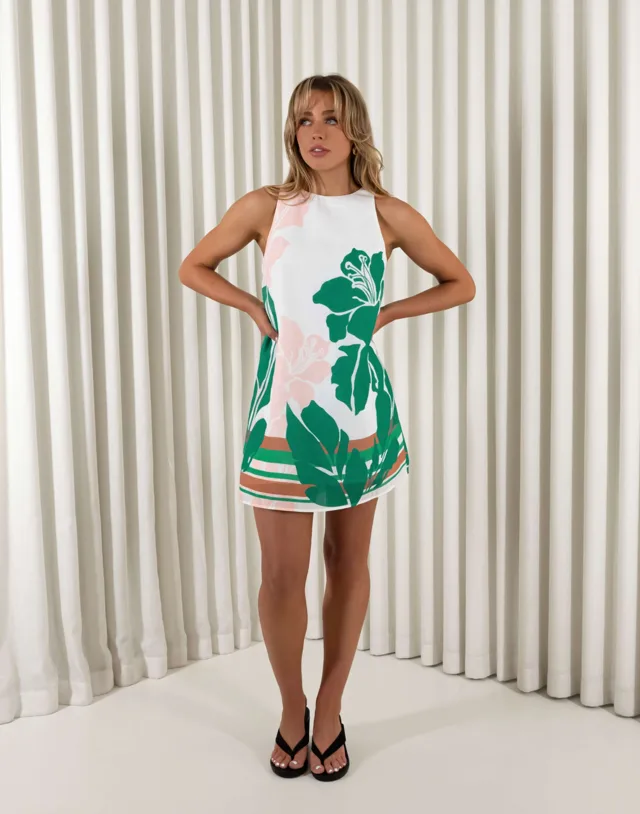
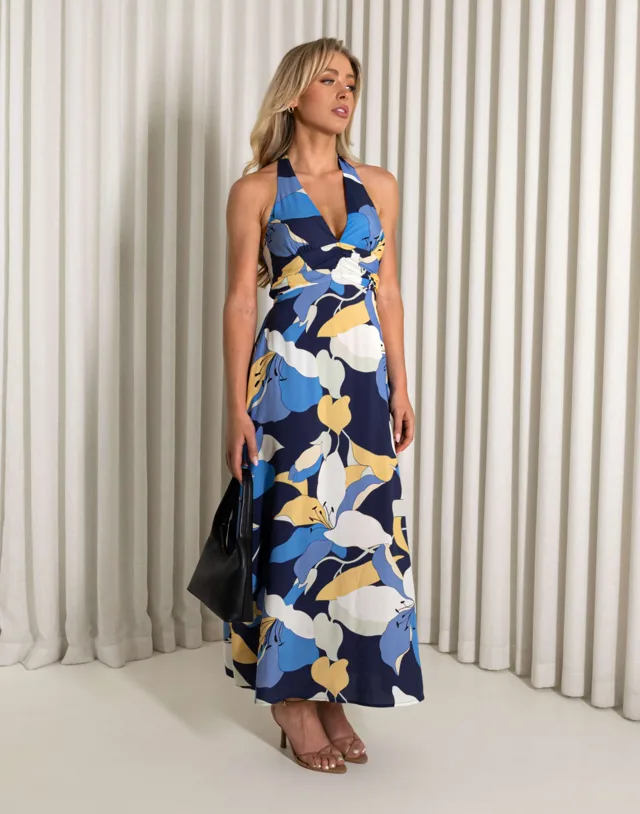
For additional outfit inspiration, compare the mood of the Suzie Midi Dress and the Bobby Polka Dot Dress. The point is not to copy a complete look, but to notice how print, silhouette, and color might affect your accessory choices. You can browse the Dresses collection to explore other starting points, then build around the occasion dress you already love.
A flexible final check before you go
Try the dress, shoes, bag, jewelry, and any layer together, then move around in the outfit. Sit, walk, and reach naturally. Check whether a necklace shifts, a hem catches, a shoe feels difficult, or a bag is awkward to carry. These small practical tests can help you make a confident edit before the event rather than discovering a distraction halfway through it.
Next, identify the focal point. If you can name it quickly, see whether the remaining pieces support it. If you cannot, remove one accessory and reassess. This is a flexible guide rather than a rule: an expressive outfit can include multiple details when they feel harmonious and true to you.
Finally, dress for the occasion and for yourself. A daytime gathering, formal celebration, and relaxed dinner may call for different levels of polish, but comfort and personal taste matter in each. Use the size guide when checking sizing information for a dress, and give delicate fabrics the care their labels recommend. The most useful occasion dress accessories are the ones that help you feel prepared, at ease, and recognizably yourself.
Find a piece to make it your own.
Explore the current collection and ask us about the fit, details or availability of any style.
Explore Dresses