An autumn dinner outfit has a small balancing act to manage: it should feel finished when you arrive, comfortable while you settle in, and easy to adjust as the evening unfolds. Rather than building a look around a heavy coat alone, think in layers that work together. A refined base, a considered middle layer, and an outer piece you can remove give you options without making the outfit feel fussy.
The most useful plan begins with the evening’s details. Is the walk from the car brief or long? Will dinner be casual, celebratory, or somewhere in between? What piece will you carry once you are indoors? Those answers help shape the outfit before you reach for accessories. The goal is not to dress for every possible temperature; it is to create a cohesive look that can adapt gracefully.
Start with the room-to-outdoors transition
Imagine the outfit at three points: stepping outside, arriving at the entrance, and sitting down. Your base should feel complete on its own, since a coat may be checked or set aside. The next layer should add warmth and visual interest without hiding the shape of the outfit completely. A final outer piece can handle the trip between locations.
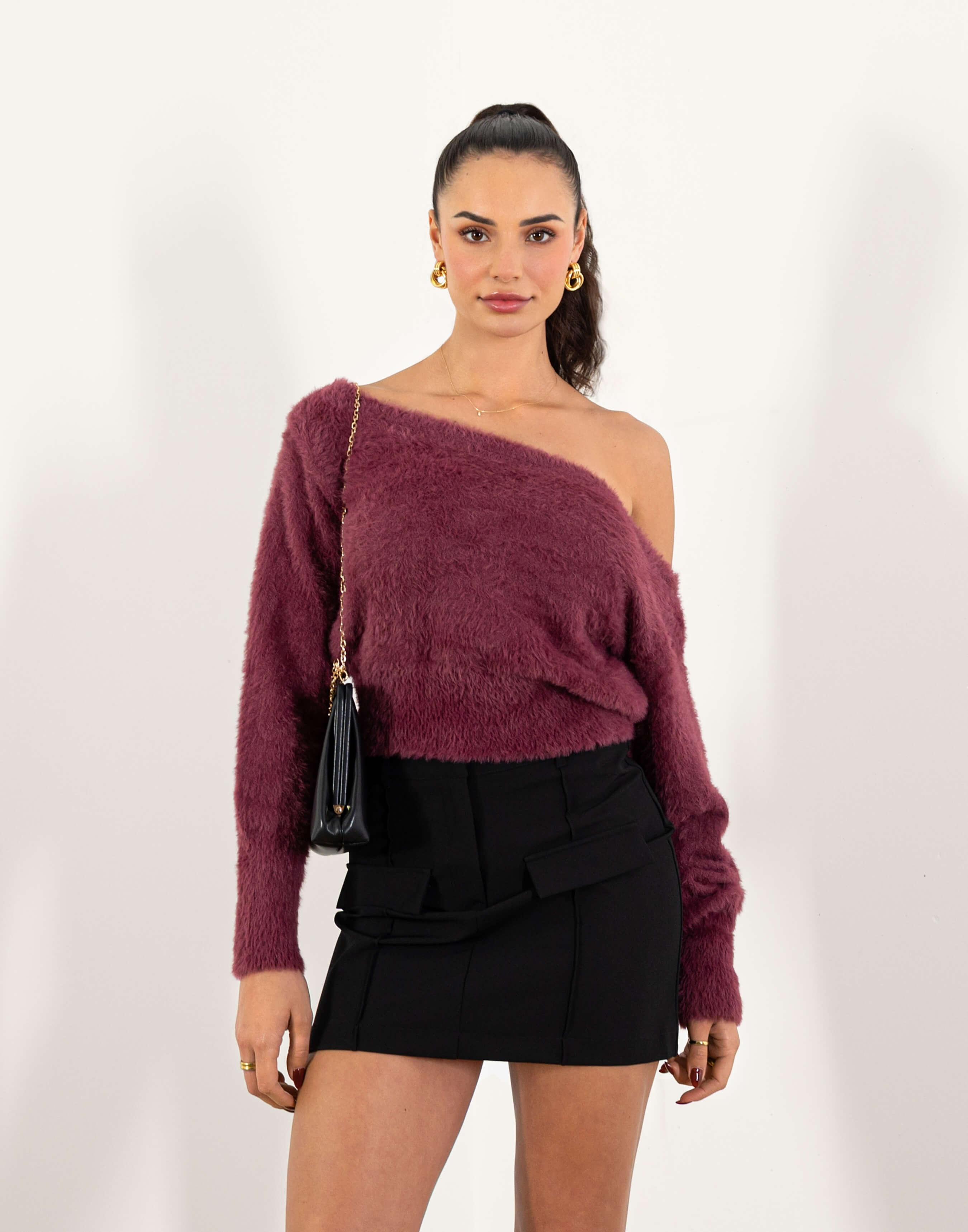
For a dinner reservation, a soft knit or polished shirt can provide a more comfortable middle ground than relying on a bulky layer indoors. The Miranda Fluffy Knit offers one example of a statement knit to consider as part of an evening look. Keep the rest of the outfit relatively simple if the neckline or texture is already drawing attention; a clean lower half and restrained jewelry can make the whole combination feel intentional.
Before leaving, check that you can move naturally in every layer. Sit, reach for a bag, and put your outer piece on and off once. A look that works in motion is more likely to stay comfortable throughout the evening than one that only looks composed in a mirror.
Choose a base that can stand on its own
Build from the piece you expect to wear indoors. A dress, tailored trousers, a skirt, or a well-cut top can all anchor dinner style; the right choice depends on the venue and your own preferences. If the base has a strong detail—such as an asymmetrical hemline, a soft drape, or a distinctive neckline—let it remain visible rather than covering it with a competing statement.
A fitted top with a shaped hem can pair neatly with trousers or a skirt, while a collared shirt brings a crisp note under a jacket or cardigan. For a layered combination, the Melissa Top is one option to explore alongside a simple bottom. A Jennifer Shirt can suggest a different direction: a collared base that can be styled open or closed according to the rest of the outfit.
Consider the base from the front, side, and back. If you plan to tuck it in, check that the fabric lies smoothly under a waistband. If you prefer it untucked, make sure its length works with the rise of your trousers or the waistline of your skirt. These small checks help the outfit look deliberate once a jacket comes off.
Balance proportions instead of adding bulk
Layers change the outline of an outfit, so pay attention to where each piece ends. A shorter jacket can sit neatly near the waist of high-rise trousers or a skirt. A longer cardigan or coat may look balanced over a more streamlined base. These are starting points, not rules: try different lengths and use a full-length mirror to see which combination feels natural to you.
When a top has volume, a straighter lower half can provide contrast. If your trousers or skirt have a fuller shape, a closer-fitting layer on top may keep the silhouette from feeling crowded. You can also create definition with a visible waistband, a partial tuck, or an open layer that forms long vertical lines. The purpose is not to make any body look a particular way; it is to decide which shapes and proportions you enjoy wearing.
Pay attention to sleeves and shoulders, too. If you plan to wear a coat over a knit, check that the sleeves do not bunch uncomfortably. If the outer layer feels restrictive, choose a roomier cut or simplify the layers underneath. Comfort is part of a polished arrival: adjusting your clothes throughout dinner can distract from an otherwise thoughtful outfit.
Use texture and color with a light touch
Autumn dressing often invites richer tones and tactile fabrics, but a dinner outfit does not need several competing textures. Choose one focal point—perhaps a soft knit, a smooth tailored piece, or a subtle sheen—and let the other layers support it. A small contrast in texture can make a simple palette feel considered without asking every item to stand out.
For color, begin with two or three shades that already sit well together in your closet. A neutral base can take a deeper accent through a knit, bag, or shoe. If you prefer a brighter or patterned base, keep the outer layer quieter so the outfit still reads as one complete look. Check colors under the light where you are getting ready; a combination that looks harmonious in daylight may feel different indoors.
Fabric deserves practical attention as well as visual attention. Some knits can snag on rough closures or jewelry, while delicate surfaces may need a gentler storage routine. Follow the garment’s care label, and avoid pressing a hot iron directly onto textured or delicate fabric unless its instructions allow it. A quick check for loose threads, lint, and creases is often more useful than last-minute styling changes.
Plan evening layers you can remove gracefully
The middle layer should add something even when your coat is off. A cardigan, light jacket, or second top can bring warmth, structure, or color. Choose one that works with the base rather than treating it as an emergency cover-up. If you want to browse options before deciding, the Tops collection can help you compare different directions for a layered look.
Think about how the pieces will be handled once you arrive. A coat that holds its shape on a chair or can be checked easily may be more practical than a bulky piece you have to manage at the table. A compact scarf can add warmth for the walk and be tucked into a bag indoors. Keep the number of removable items manageable so you are not balancing layers, a handbag, and dinner essentials at once.
Fit preferences are personal, and a layered outfit can change how a garment feels. If you are comparing measurements, consult the size guide as one reference, then consider how you like to wear the piece and what you may layer beneath it. For shoulder seams, sleeves, and closures, allow enough ease for natural movement without choosing a silhouette that feels unlike you.
Finish with accessories that earn their place
Accessories should support the evening, not create extra work. Choose shoes you can comfortably walk in between the car, entrance, and table, and consider the surface underfoot if your route includes uneven pavement. A small structured bag can keep essentials close; a larger everyday tote may be practical, but it can shift the mood of a more dressed-up outfit.
Jewelry can connect the layers. A simple earring or delicate chain may complement a detailed neckline, while a bolder accessory can give a plain base a clear focal point. Avoid stacking pieces where they catch on knitwear or compete with a collar. If you are wearing a scarf, decide whether it is part of the styling or only for outside, then arrange it accordingly before you arrive.
Make one final check for practical details: coat closure, bag strap, shoe comfort, and a place for anything you remove. These are small choices, but they help an outfit feel composed from the first step in rather than only when it is fully assembled at home.
Use a simple decision process before you leave
When you are unsure what to wear, work through a short sequence. First, choose the indoor base that suits the occasion. Second, add one layer that improves warmth or shape. Third, select an outer piece for the trip. Finally, choose shoes and a bag that work for the route and the room. If the outfit feels crowded, remove one competing detail before adding anything else.
Try the complete combination together, including outerwear, and then take the outer layer off. If the remaining look still feels finished, the plan is working. If not, adjust the base or middle layer rather than relying on accessories to rescue it. This flexible approach makes an autumn dinner outfit easier to adapt to different venues, temperatures, and personal tastes—and leaves you free to enjoy the evening instead of fussing with your clothes.
Find a piece to make it your own.
Explore the current collection and ask us about the fit, details or availability of any style.
Explore Tops & shirts