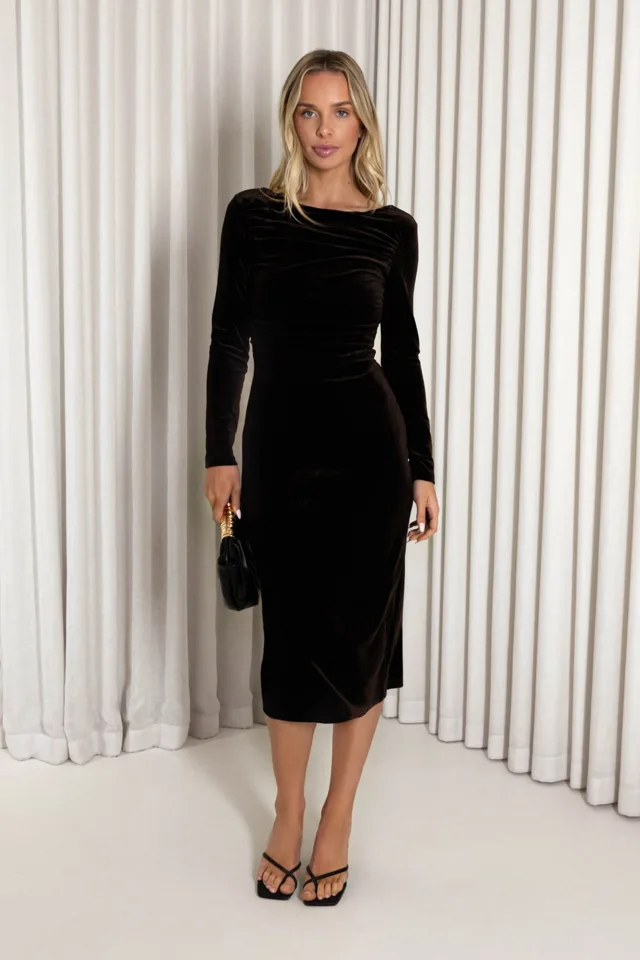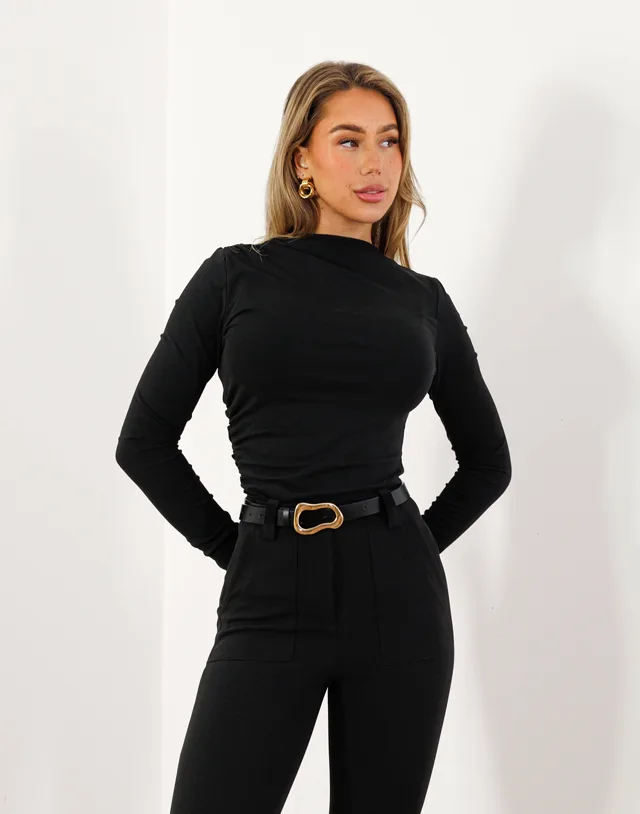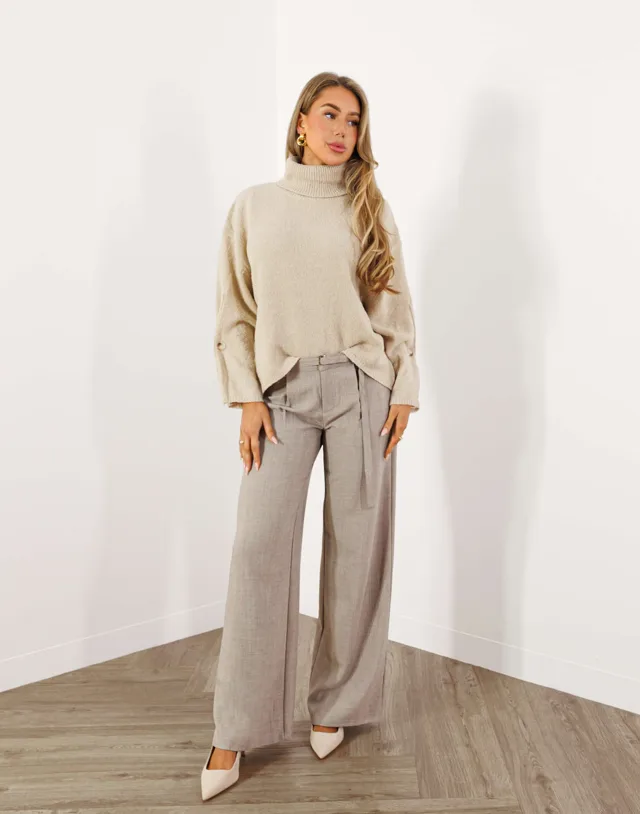
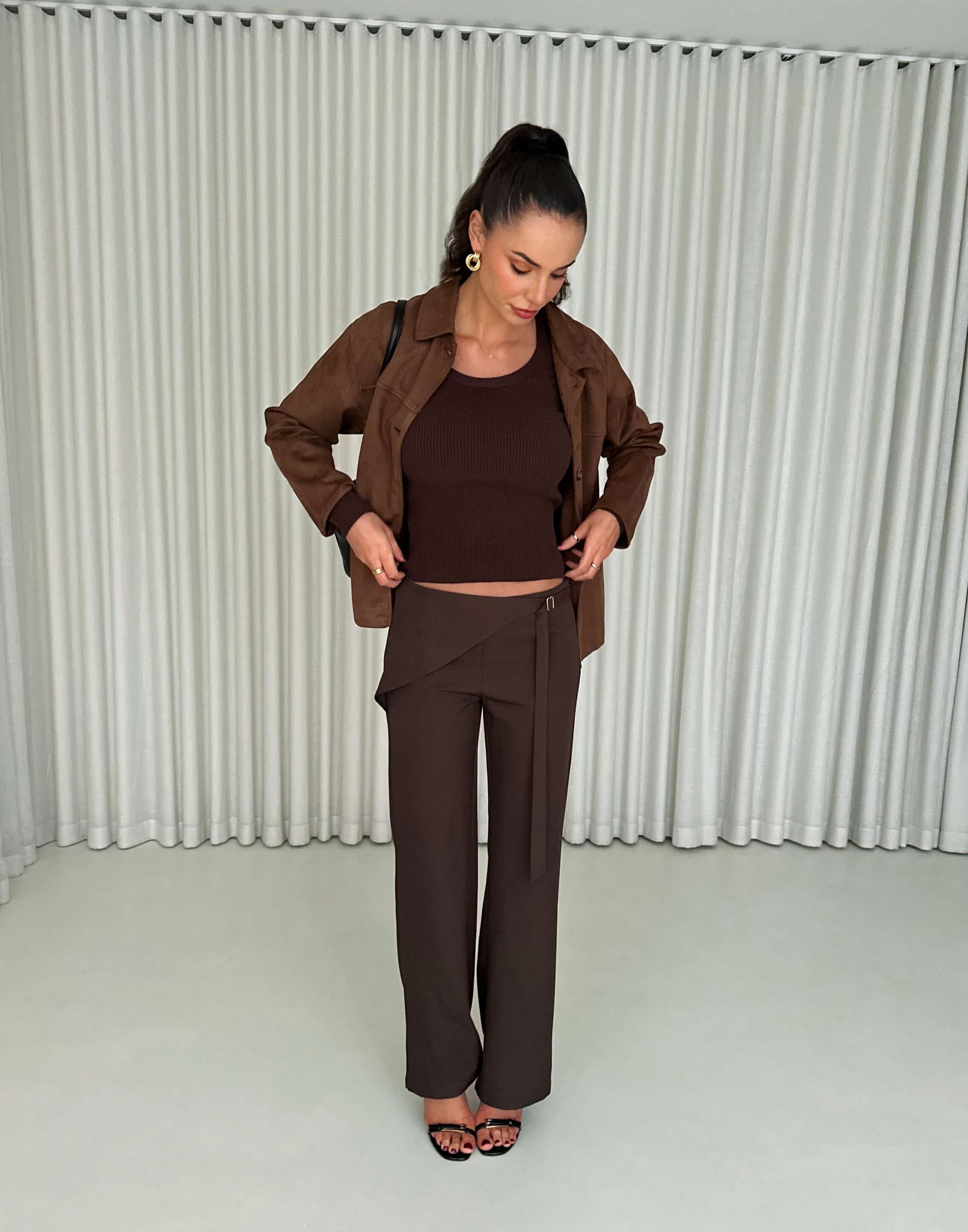
A monochrome outfit is built around one color family, not necessarily one identical shade. That distinction makes tonal dressing flexible: a deep brown trouser can sit beside a softer tan knit, while a cream top can bring lightness to a pale neutral skirt. The interest comes from how color, texture, and shape work together. Rather than adding more colors for contrast, use surface, proportion, and thoughtful finishing details to give a single palette dimension.
There is no single formula to follow. Start with a color you enjoy wearing, build a few neighboring tones around it, and adjust the outfit for your comfort and plans. The ideas below offer a practical way to experiment without making every piece match perfectly.
Choose a color family, then set a range
Begin with a familiar anchor color: black, navy, brown, gray, cream, or another shade already in your wardrobe. Decide whether you want the outfit to stay close in value, such as several mid-tone browns, or move from light to dark. A narrower range tends to look calm and cohesive; a broader range gives the eye a clearer path through the outfit.
Undertones matter, but they do not need to be identical. Warm camel and chocolate often sit comfortably together, as can cool gray and charcoal. If a combination looks unexpectedly disconnected, try changing just one piece rather than abandoning the palette. Lay the garments together in daylight and compare their overall effect. This simple check is useful when colors that seem similar indoors read differently once worn.
Think of the palette as a guide, not a restriction. A bag, belt, or shoe in a close neutral can bridge two shades. Small differences in color make the outfit feel collected rather than like a uniform set.
Give the outfit texture to do the contrasting
When color stays within one family, outfit texture becomes a key source of contrast. Combine surfaces that catch light differently: a smooth top with a ribbed layer, a soft knit with crisp woven trousers, or a matte skirt with a subtly lustrous accessory. The shift does not have to be dramatic. Even a change from a fine, flat surface to a more tactile one can make the look easier to read.
Pay attention to fabric weight as well as surface. A light blouse beside a substantial pant creates a different impression from two similarly weighty pieces. For a layered look, consider whether the fabrics sit comfortably together and whether a sleeve or hem will bunch under the next layer. Keep the most noticeable texture where you want the eye to pause, then let smoother pieces provide breathing room.
Care can help preserve the distinctions that make these combinations work. Follow each garment’s care label, and store knits folded when that is appropriate for the fabric. Before combining delicate or textured pieces, check for rough hardware or accessories that could snag them. Thoughtful handling matters more than trying to make every fabric look perfectly pressed or new.
Use shape to keep tonal dressing from feeling flat
Shape is the second major tool in a monochrome outfit. Pair a relaxed top with a cleaner leg line, or balance a straighter top with a skirt that moves away from the body. You can also build contrast through length: a cropped layer over a longer shirt, a tucked front with a loose back, or a jacket that ends at a different point from the top beneath it.
Start with the outline you want, then check how the individual pieces support it. If both top and bottom are roomy, define the transition with a partial tuck, a belt, or a shorter outer layer if those details feel comfortable. If both are more fitted, a softly draped cardigan or an open overshirt can add movement. These are options, not body rules; the useful question is whether the proportions feel intentional to you.
For a relaxed neutral base, browse the Christian Relaxed Pants as one possible trouser reference. A different leg shape can shift the whole balance, so compare it with the Andy Barrel Pants when considering how a wider silhouette might pair with a close-fitting or shorter top.
Build an outfit from a reliable anchor
Choose one piece first, then add garments that solve a specific styling need. If the anchor is a bottom, ask what top length and volume make a pleasing proportion. If it is a textured sweater, look for a simpler companion piece that lets the knit stand out. This keeps the process focused and helps avoid piling on details simply because the colors match.
Try this adaptable sequence: anchor, counterpoint, layer, finish. The anchor establishes the main color and silhouette. The counterpoint introduces a different texture or proportion. The layer handles warmth or adds another length. The finish—shoes, belt, bag, or jewelry—ties the pieces together without requiring an exact color match.
A skirt can offer a useful alternative to trousers within the same palette. The Victoria Midi Skirt is one reference point for thinking through length and movement with a monochrome top and layer. To explore more options for a bottom-led outfit, visit the Bottoms collection.
Layer without losing the color story
Layers add depth when they create visible edges: a collar beneath a sweater, a shirt hem below a knit, or an open jacket framing the center of an outfit. Keep the palette coherent by repeating one shade in more than one place, such as a dark shoe echoing a dark top. Repetition gives the eye a gentle route through the look, while the layers supply dimension.
For a clean result, check the outfit from the side as well as the front. Notice where hems land, whether the outer layer overwhelms the base, and whether any fabric is pulling or bunching. You might remove a layer, switch to a shorter one, or leave it open. A monochrome palette can make several layers feel unified, but comfort and easy movement still deserve priority.
Finish with accessories and intentional contrast
Accessories can stay within the palette or offer a small interruption. A tonal belt or shoe extends the one-color impression; a metal finish, patterned scarf, or bag in a neighboring neutral adds a controlled change. Consider scale, too: a slim accessory can keep a relaxed silhouette feeling light, while a more substantial bag can hold its own beside generous layers.
Before heading out, look at the outfit as a whole rather than judging each item separately. Is there enough contrast for the pieces to be distinct? Does one texture or shape lead, with the others supporting it? If everything blends together, change one element: add a lighter layer, reveal a cuff, or switch to a smoother accessory. If the outfit feels busy, simplify the surface mix or remove a layer.
Use a flexible final check
Try the complete outfit in the light where you expect to wear it, and move around in it. Make sure waistbands, sleeves, and hems sit the way you prefer, then decide whether the temperature calls for another layer. If you are comparing garment measurements, the size guide can help you review sizing information before choosing a piece.
Monochrome dressing works best as a series of small decisions, not a demand for perfect matching. Choose a color family, vary the texture, shape the proportions, and edit the accessories. A change in just one of those areas can refresh familiar pieces and make a tonal outfit feel like your own.
Find a piece to make it your own.
Explore the current collection and ask us about the fit, details or availability of any style.
Explore Bottoms