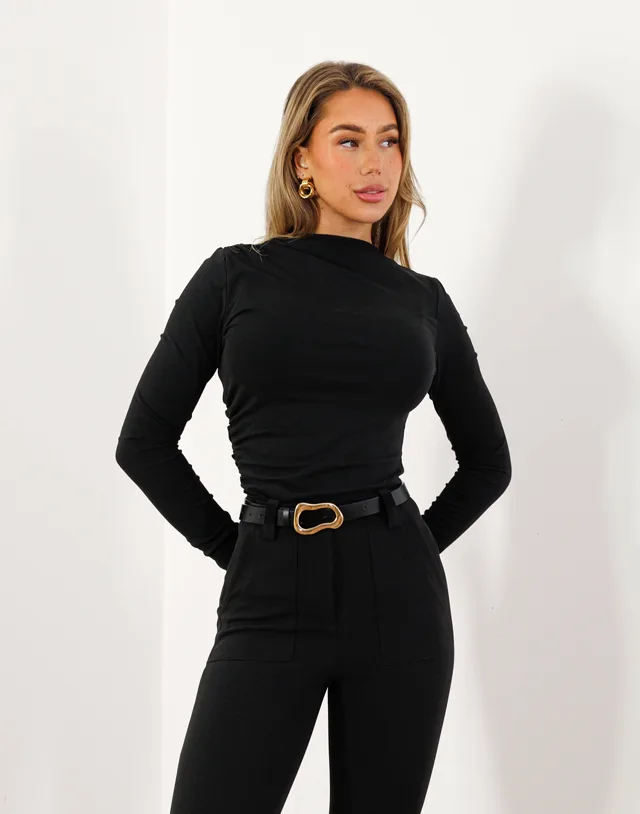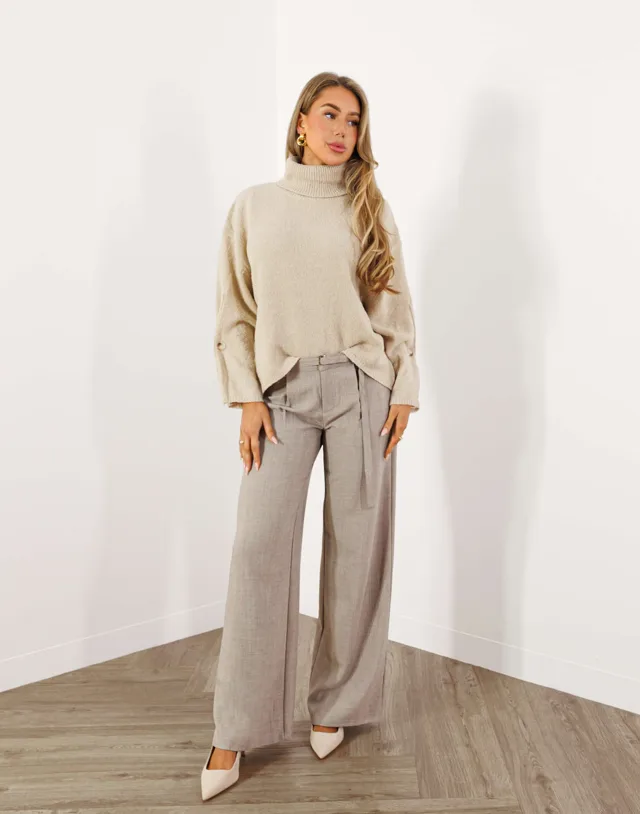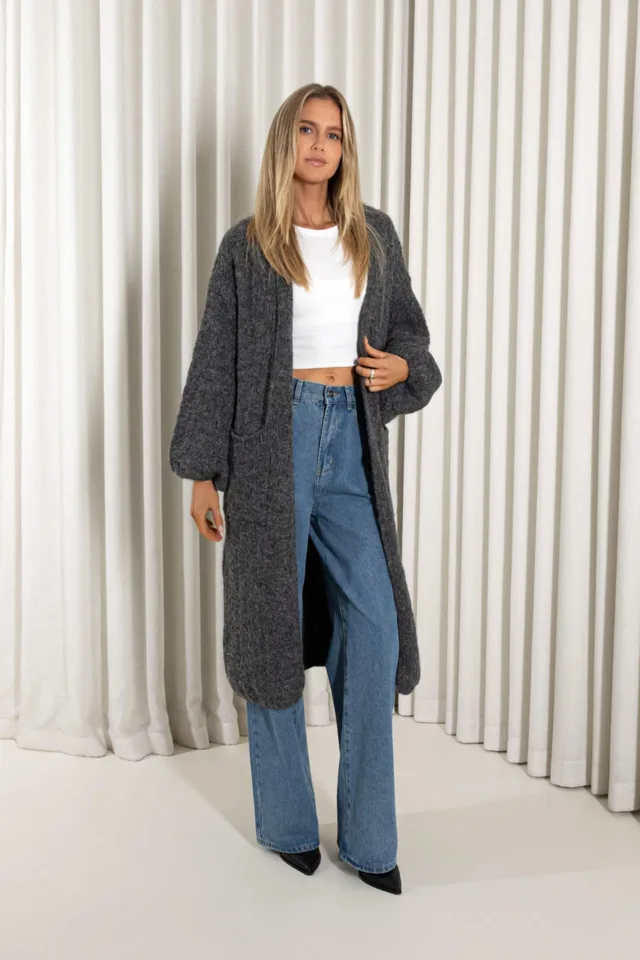
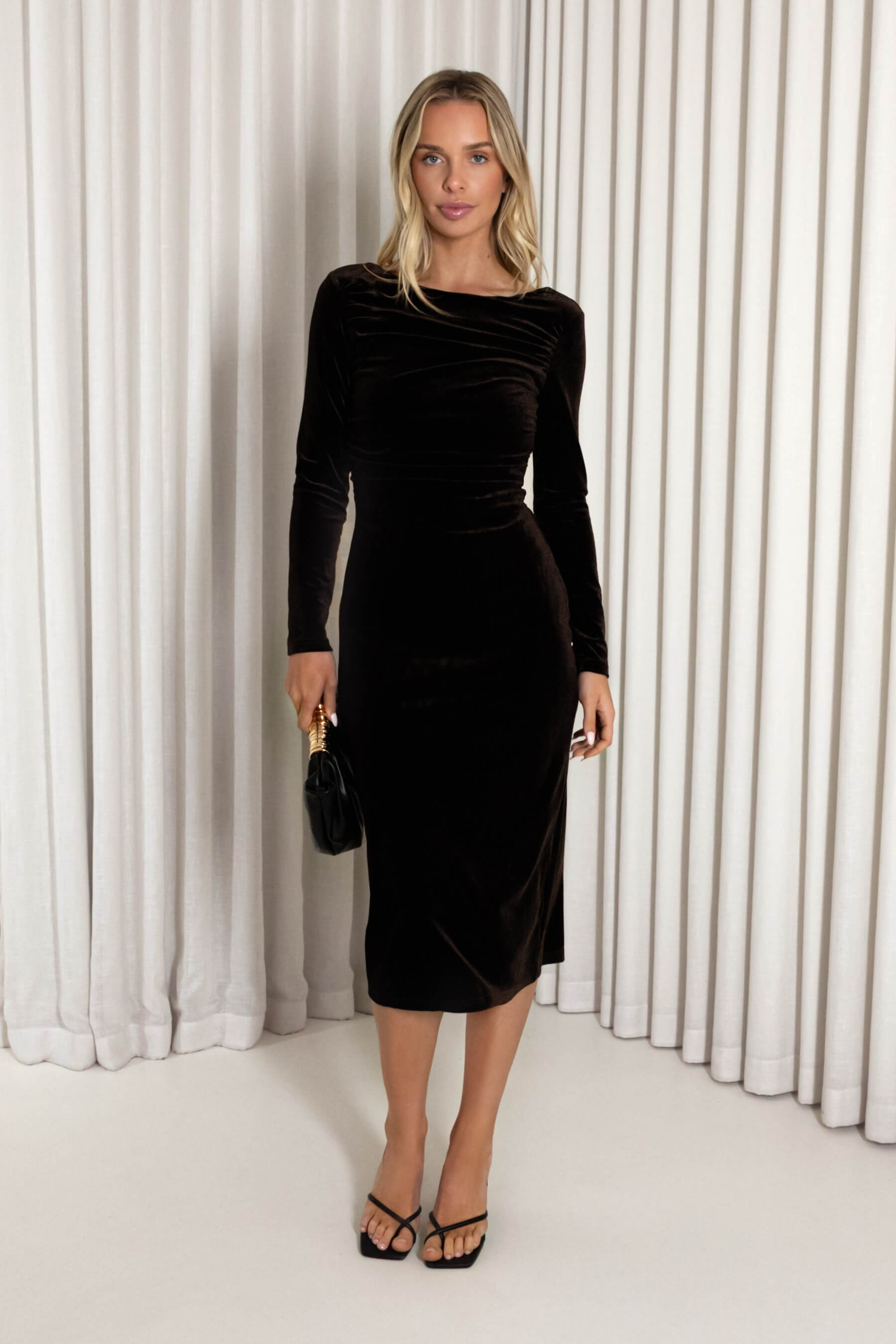
Brown and pink make a versatile color pairing because each brings out a different quality in the other. Brown adds depth and an earthy note; pink can soften it, brighten it, or give it a more spirited edge. The combination can work for a relaxed daytime look, a polished outfit, or a simple accent—not just a perfectly coordinated set.
The easiest way to begin is to choose the mood you want, then decide which shade will take the lead. A little attention to proportions, fabric, and accessories helps the colors feel intentional without making an outfit complicated.
Start with the mood, then choose your shades
For a gentle, understated look, pair chocolate or espresso brown with blush, dusty rose, or pale pink. The contrast is noticeable but not loud, especially when the pink appears in a blouse, cardigan, scarf, or small bag. Warm tan and caramel, meanwhile, sit comfortably beside muted rose and make an easy daytime combination.
If you prefer more energy, try a saturated pink with medium or deep brown. A vivid top can stand out against brown trousers or a skirt, while a brighter pink accessory can lift an otherwise neutral outfit. For a softer overall effect, keep both shades muted; for more contrast, let one be rich and the other light.
Rather than looking for a perfect match, compare the undertones. Warm browns often pair naturally with peachy or coral-leaning pinks, while cooler taupe and cocoa can work nicely with dusty or blue-based pink. These are starting points, not rules: the best combination is the one that feels right with the rest of your wardrobe.
Let one color lead
A clear balance makes a two-color outfit feel composed. Start with one main piece in brown, then add pink as a smaller accent, or reverse the formula with a pink dress and brown layers. You might use a brown base—such as a skirt and top—and bring in pink through a lightweight cardigan or earrings. Alternatively, a pink blouse can become the focus against brown trousers and a neutral shoe.
There is no required ratio. A near-even split can look striking when the pieces have simple shapes, while a mostly neutral outfit with a little pink may feel easier to wear if you are testing the pairing. If two large color blocks compete, add a quiet neutral like cream, denim, or black to create a visual pause.
For a one-piece starting point, the Hathaway Floral Dress brings the featured colors together in a printed dress. You can keep the rest of the outfit simple, or use a layer and accessories to bring one shade forward.
Try the pairing with separates
Separates give you flexibility to adjust the color balance throughout the day. Brown trousers with a pink tee, blouse, or fine-knit top make a straightforward combination; choose the top’s shade to set the tone. A pale pink reads softly with deep brown, while a stronger rose creates a more noticeable focal point.
For a skirt outfit, pair a brown skirt with a pink shirt or sweater and consider a front tuck or a cropped layer to define the waistline if that suits your preferred proportions. A longer top can work too; an open jacket or cardigan creates a vertical line and adds another layer of color or texture. With wide-leg trousers, a closer-fitting top can balance the volume, but a relaxed top can also feel easy when its hem and the trouser rise sit comfortably together.
You can also start with a brown jacket, then add a pink top underneath. Keep the jacket open to show a strip of color, or button it over a smaller hint of pink at the collar or cuffs. These small adjustments let you make the pairing subtle or more pronounced without changing every piece.
Make dresses and layers work together
A patterned dress can do much of the color-mixing for you. Pick out one of its shades in a cardigan, jacket, or accessory rather than trying to match every detail. If the print includes brown and pink, a solid layer in either color can make the look feel connected while leaving the pattern as the focal point.
For a more minimal dress, use brown and pink in separate layers. A pink cardigan over a brown dress creates a clear, soft contrast; a brown jacket over a pink dress gives the outfit more depth. If the dress has a defined waist, a shorter layer may preserve its shape. For a looser silhouette, an open longer layer can add movement without requiring a belt.
For a different dress mood, consider a simple brown accessory with a darker-colored dress as a way to practice balancing warm tones. The Rachel Midi Dress or Sammie Dress can be starting points for experimenting with a brown bag, shoe, or layer; add pink only if it supports the palette you want. Browse the Dresses collection when you want to compare silhouettes and prints before choosing a finishing layer.
Use texture and proportions for definition
When two colors are close in intensity, texture can keep them from blending into one flat-looking block. A smooth brown skirt beside a softly textured pink knit, for example, gives the eye a difference to notice even if both shades are muted. Denim, woven fabrics, knits, and printed pieces can all add variety; the goal is simply to mix surfaces in a way that feels comfortable for the occasion.
Think about where each color lands as well as how much of it you wear. A pink top draws attention upward, while pink shoes or a bag make the color a smaller finishing note. Brown trousers or a skirt can anchor a brighter pink piece. If you prefer a more continuous line, keep the larger pieces close in value and use the contrasting shade in a layer or accessory.
Try the outfit on with the shoes and layer you expect to wear. Check whether hems and sleeves work together when you move, and whether an open layer shows enough of the color underneath. If you are between sizes or comparing garment measurements, consult the size guide as one practical reference; comfort and your preferred ease are personal choices.
Finish with accessories and care in mind
Accessories can repeat the palette or give it breathing room. Brown shoes or a bag reinforce the earthy side, while a pink scarf, hair accessory, or small bag adds a deliberate highlight. Gold-toned jewelry often complements warm shades, and silver can offer a cooler contrast. Cream, tan, and simple metallics are useful when you want the clothing colors to remain the focus.
There is no need for every accessory to match. One repeated shade is often enough to make the outfit feel connected. If the clothing has a busy print, choose simpler accessories; with solid pieces, a patterned scarf or textured bag can add interest without introducing another dominant color.
Care depends on the specific fabric and garment, so check each item’s care label before washing, steaming, or storing it. When wearing a new dark piece with a light pink item, take a moment to check for color transfer, especially if the fabric is damp. Store knits folded when appropriate and avoid letting accessories snag delicate textures.
A flexible way to build your outfit
Use a short decision process whenever you want to try a brown and pink outfit: pick the mood, choose the leading color, and add the second shade in a piece that feels comfortable to wear. Then check the proportions and decide whether a neutral, texture, or accessory would help finish the look. You can keep the pairing quiet with blush and taupe, make it richer with rose and chocolate, or use a printed dress as an easy starting point.
The most useful color pairing is one you can adapt to your day and the pieces you already enjoy wearing. Begin with one combination, change a layer or accessory, and notice which version feels most like you. Brown and pink offer plenty of room to experiment without asking you to follow a single formula.
Find a piece to make it your own.
Explore the current collection and ask us about the fit, details or availability of any style.
Explore Dresses