In-between weather can make a familiar outfit feel either too warm or not quite enough. Transitional knitwear offers a useful middle ground: a lightweight sweater, cardigan, or knit top can bring comfortable coverage without committing to a heavy cold-weather layer. The key is to build an outfit that can adjust as the day changes, rather than relying on one piece to do everything.
Think in terms of removable layers, breathable combinations, and proportions that feel intentional. A knit can be the main event, a soft base beneath a jacket, or an easy layer over a dress. These practical outfit ideas help you make the most of pieces already in your wardrobe while keeping comfort and personal style in the picture.
Start with the day, not the calendar
Transitional dressing works best when it responds to how your day is likely to feel. Consider the temperature when you leave, whether you will spend time outdoors, and how easily you can carry an extra layer later. A fine-gauge knit or open cardigan is often simpler to adapt than a bulky pullover. If the morning is brisk, wear it over a light base; if the afternoon warms up, remove it or push up the sleeves.
When the forecast feels uncertain, choose pieces that work both together and separately. A simple top under a cardigan gives you two useful looks, while a knit worn over a shirt can provide extra coverage without requiring a coat. The Tops collection can help you consider different base-layer options. Prioritize fabrics and necklines that feel comfortable against your skin, especially if you expect to keep the knit on for several hours.
Use a light base and a removable middle layer
A reliable knit outfit often begins with a breathable base: a tee, tank, or lightweight blouse. Add a cardigan, relaxed sweater, or vest as the middle layer, then keep a jacket nearby only if the day calls for it. This approach gives you flexibility without piling on several heavy pieces. It also makes it easier to adjust indoors, where a warm sweater may feel different from the same outfit outside.
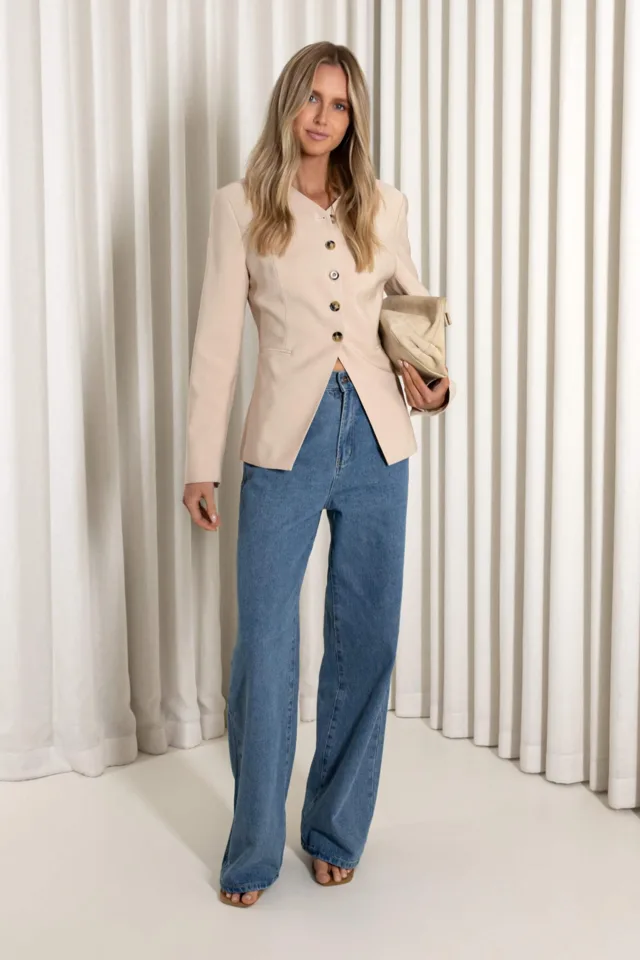
Pay attention to how the layers sit together. A smooth base is comfortable beneath a close-fitting knit, while a slightly roomier top may work better under an open cardigan. Avoid forcing thick seams beneath a narrow sleeve; a lighter shirt can keep the outfit from feeling crowded. If you want a more structured option, a vest over a fine knit adds a defined vertical line while leaving the arms free. The Camille Tailored Vest is one piece to consider when planning that kind of layered look.
Balance volume with a clear silhouette
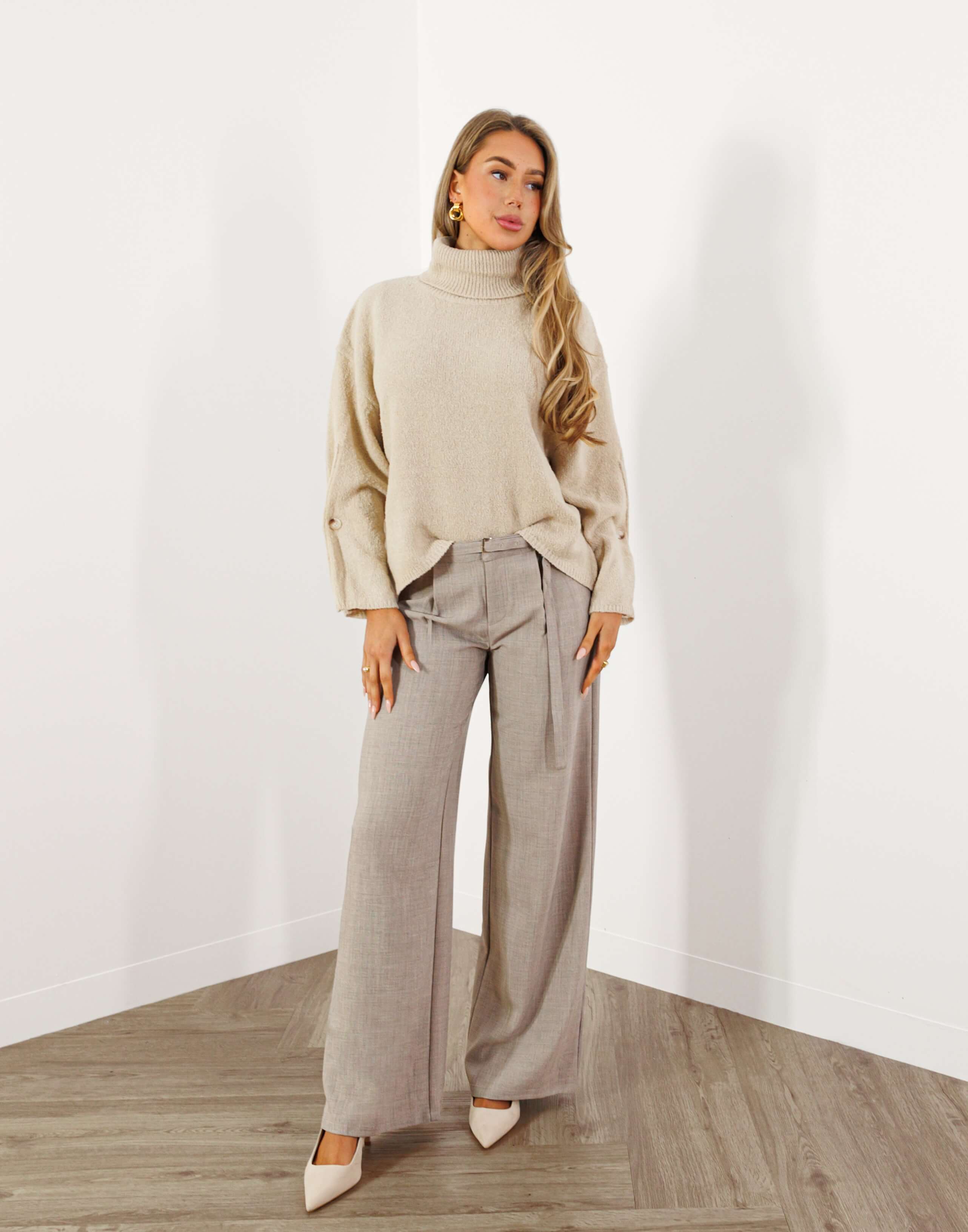
Knits naturally bring softness and texture, so use the rest of the outfit to decide how relaxed or polished the result should feel. With an oversized or slouchy sweater, try a straighter trouser, a neat skirt, or denim with a clean line. With a closer-fitting knit, wider-leg pants or a flowing skirt can bring movement and contrast. These are options rather than rules: the best balance is the one that lets you move comfortably and feels like you.
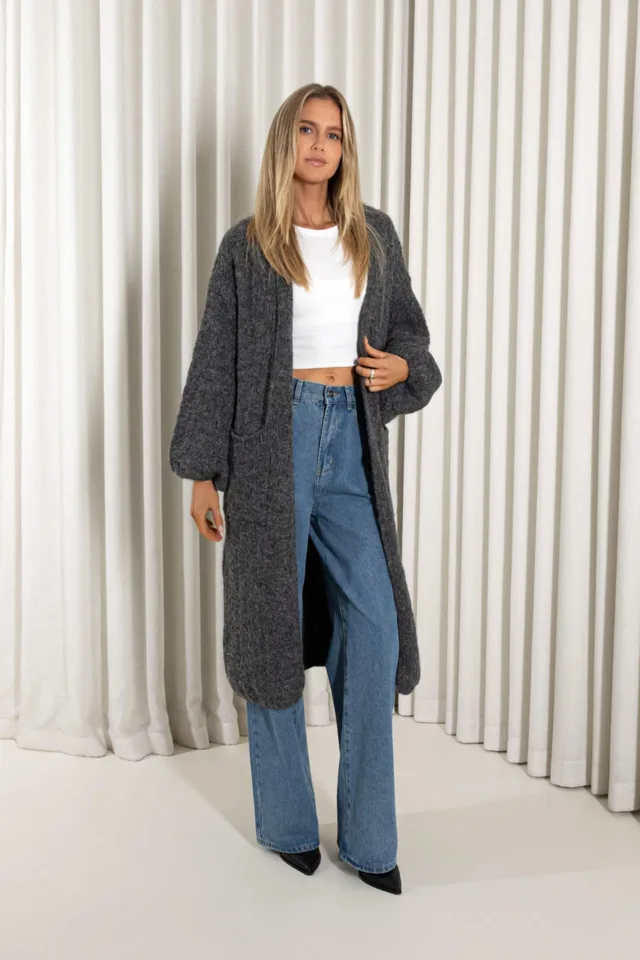
Length matters, too. A cropped or waist-length knit can pair easily with higher-rise bottoms, while a longer cardigan can create an uninterrupted line over a simple outfit. If a hem lands at a point that feels awkward, try a partial tuck, change the rise of the bottom, or leave the knit open over a more fitted base. Small adjustments can make a familiar combination feel deliberate without adding another layer.
Try three easy outfit formulas
For a casual daytime plan: wear a light sweater with straight-leg jeans and comfortable flats, sneakers, or ankle boots. Add a crossbody bag so your hands stay free, and keep a thin scarf or packable outer layer nearby if you expect the air to cool later. A neutral knit makes it easy to change the mood with denim washes or a colorful accessory.
For a relaxed, polished look: layer a fine knit over a collared shirt, letting a little of the collar and cuff show. Pair it with tailored trousers or a simple midi skirt. A belt can help define the waist if that suits the outfit, while small earrings or a structured bag bring a finished touch without making the layers feel formal.
For a dress-based outfit: put a cardigan over a lightweight dress or drape it over your shoulders before the temperature drops. A short cardigan can meet the dress at the waist; a longer one can add an easy vertical layer. Choose shoes that suit your plans, then keep accessories uncomplicated so the knit and dress can work together rather than compete.
Make texture and color do useful work
Transitional knitwear does not have to be plain, but a little texture can be easier to layer than several competing details. Ribbing, a subtle stitch, or a soft-looking surface can add interest to a simple base. If your knit has a prominent pattern or strong color, consider quieter bottoms and accessories. If it is a solid neutral, a printed scarf, textured bag, or brighter shoe can bring personality without requiring a full outfit change.
Color can also help layers feel connected. Repeat one shade in two places, such as a knit and a bag, or use a neutral base to link different tones. You do not need an exact match: related colors can create an easy sense of cohesion. For a compact wardrobe, choose knits that work with several bottoms you already wear, rather than building an outfit around a single special pairing.
Choose accessories for changing conditions
Accessories can make an outfit more adaptable without adding much bulk. A scarf is easy to take off, while a lightweight bag can hold a cardigan when you no longer need it. Belts can change the shape of a long open layer, and jewelry can shift a simple knit from casual to a little more dressed. Consider footwear alongside the weather and your plans; a shoe that is comfortable for your day will usually matter more than a trend-driven finishing touch.
Check the neckline before adding a scarf or necklace. A high neck may already feel complete, while a lower neckline can leave room for a short pendant or folded scarf. With a textured knit, smoother accessories offer contrast. With a plain knit, a patterned accessory can become the focal point. Keep the overall combination practical: if you will be moving between places, choose items that are easy to carry and adjust.
Care for knits and choose your fit thoughtfully
Good outfit planning includes caring for the pieces you wear. Always check the garment’s care label, since fiber blends and knit structures can need different handling. Avoid stretching a sweater by its shoulders on a hanger if the fabric is prone to losing shape; folding it for storage may be a better option. When a knit needs refreshing, follow its care instructions rather than assuming every piece can be washed or dried the same way. Gentle handling helps preserve the look and feel of your wardrobe over time.
Fit is personal, and a comfortable layer should work with the pieces you plan to wear beneath it. If you are comparing measurements, consult the size guide and consider whether you prefer a closer fit or room for a base layer. For a simple starting point, the Alex Knit Jumper offers a reference for building an outfit around a relaxed knit silhouette; style it with a clean base and bottoms that suit your preferred proportions.
A flexible way to finish the outfit
Before heading out, take a moment to check the full combination: Is the base comfortable? Can you remove a layer easily? Do the proportions feel balanced when you move? If the answer to one is no, adjust one element at a time. Swap a bulky shirt for a lighter one, open the cardigan, or choose a different bottom rather than starting over.
The most useful transitional knitwear is not limited to one season or occasion. It is the piece you can wear in more than one way, with layers that respond to the day and details that feel like you. Keep a few simple formulas in mind, adapt them to your plans, and let comfort guide the final choice.
Find a piece to make it your own.
Explore the current collection and ask us about the fit, details or availability of any style.
Explore Tops & shirts