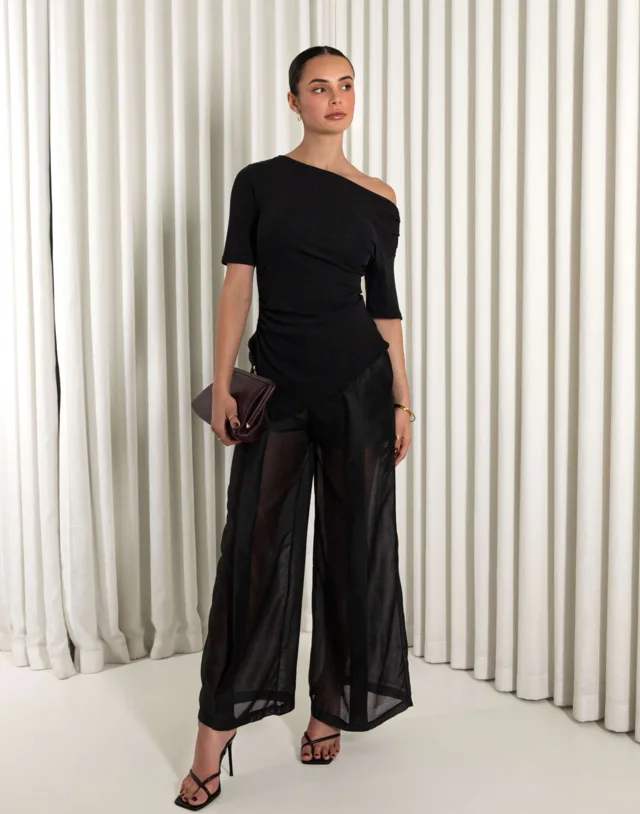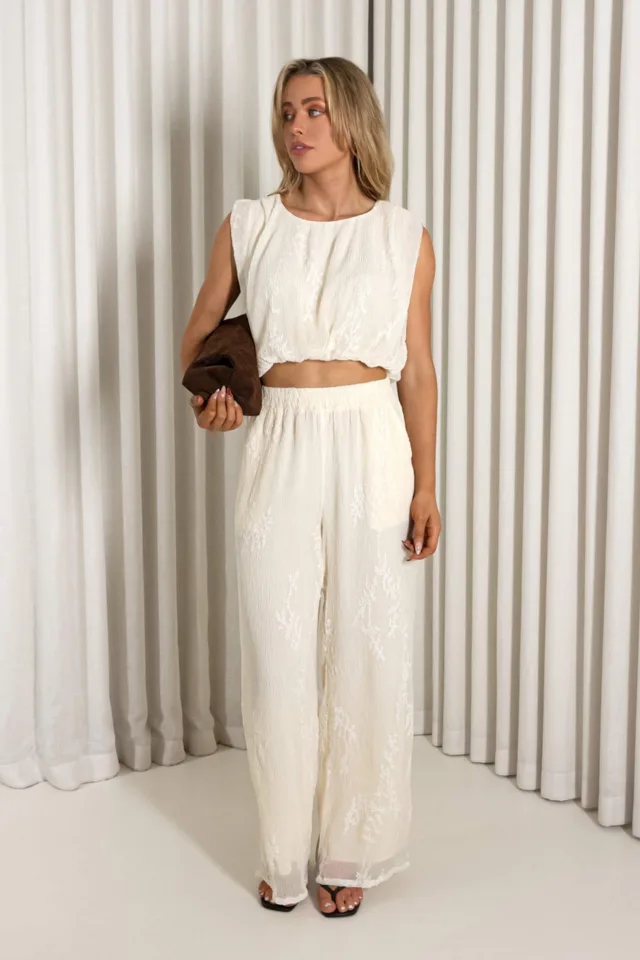
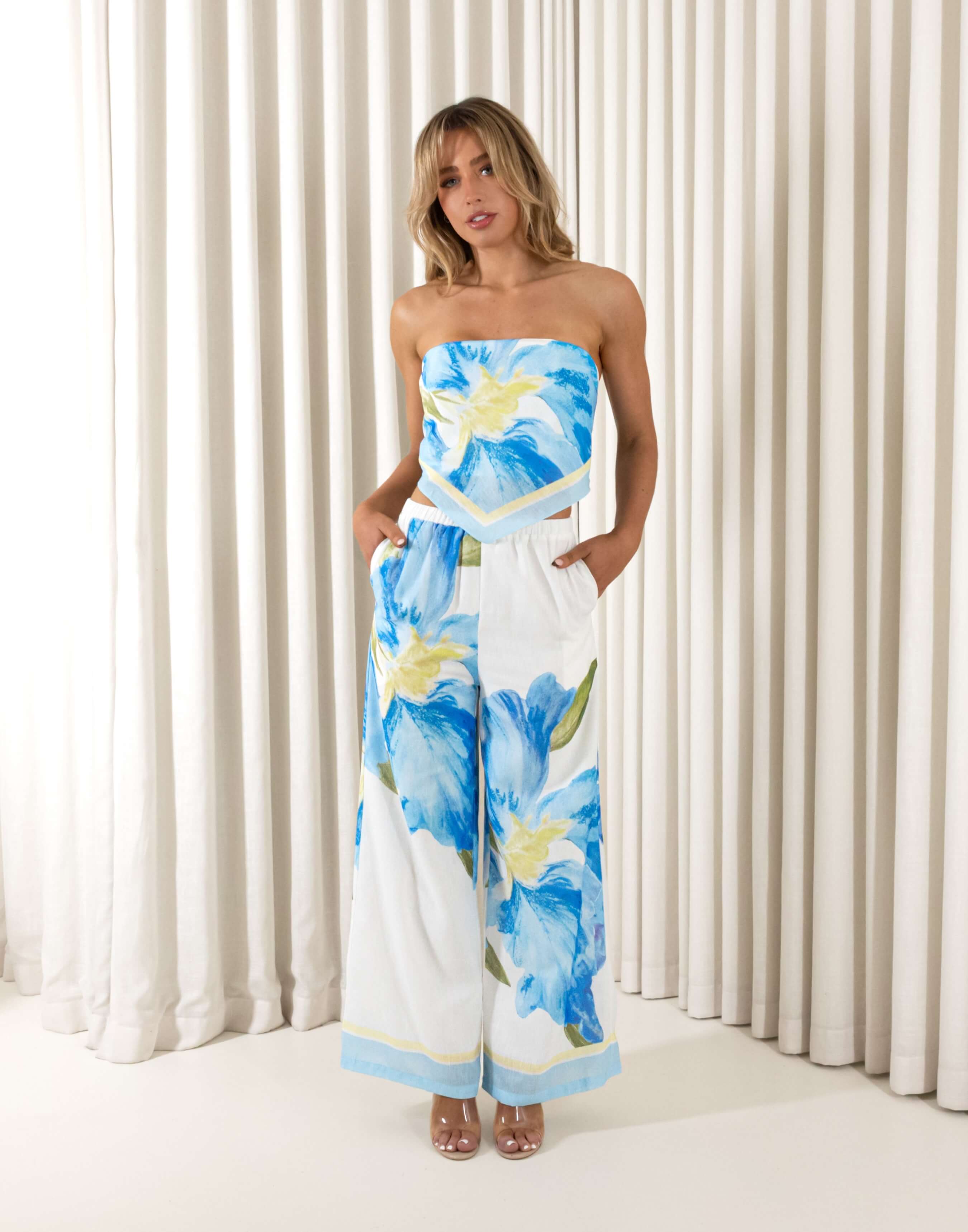
A matching set offers an easy starting point: the top and bottom already share a color, print, or visual mood. Wear them together for a coordinated look, then separate them to make each piece work with more of your wardrobe. The key is to treat the set as both a complete outfit and two distinct building blocks.
With a few thoughtful choices around proportion, color, layering, and accessories, co-ord styling can feel relaxed rather than overly matched. Use the ideas below as a flexible guide, adjusting them to the pieces you own, the weather, and the plans on your calendar.
Start by reading the set as a whole
Before adding anything, notice what makes the pieces belong together. It may be an identical print, a shared color, a similar texture, or a repeating detail. That visual connection is already doing useful work, so you do not need to add more matching elements to make the outfit feel finished.
Try the pieces together and check the overall balance in a mirror. If the top is roomy and the bottom is wide, the outfit may feel intentionally relaxed; a defined waist, a partial tuck, or a more streamlined shoe can give it shape without changing the set. If both pieces are fitted or sharply tailored, a soft outer layer or less formal accessories can bring ease.
Consider the full silhouette from shoulder to hem. A cropped top and high-rise bottom create a different proportion from a longer shirt worn loose over a skirt or trousers. Neither approach is the default. The useful question is whether you like where the outfit draws the eye and how it feels to move in it.
Make the matching set outfit feel intentional
When wearing both pieces together, keep the styling focused. Choose one or two finishing touches that support the outfit instead of competing with its strongest feature. For a vivid print, simple jewelry and a quiet bag can let the pattern lead. For a solid-color set, a textured belt, sculptural earrings, or a colorful shoe can add contrast.
Shoes influence the mood as much as the clothing. A flat sandal or sneaker can make a coordinated look feel casual, while a loafer, sleek boot, or dressier shoe can shift it toward a more polished setting. Think about the hem and the shoe together: a wide or long trouser may benefit from a cleaner line at the foot, while a shorter hem leaves more room for a statement shoe.
Try a bag in a neutral already present in the outfit, or introduce a complementary shade. You can also repeat one small detail, such as a metal tone, without making every accessory match. For a closer look at coordinated dressing, consider the Benji Floral Set as one example of a set to style together or separately.
Use layers to change the tone
A layer can make a matching set feel more casual, more structured, or better suited to changing temperatures. A denim jacket, cardigan, or relaxed overshirt softens a crisp two-piece look. A blazer can add definition, especially when its length works with the top and bottom rather than cutting across an awkward point.
Think about where the layer ends. A short jacket often highlights the waistline; a longer open layer creates a vertical line and can bring contrast to a compact set. If the set already has a strong print or several details, choose a layer in a quiet color. If it is simple, a patterned scarf or an interesting outer layer can provide a new focal point.
Layers also make separates easier to integrate. Wear an open shirt over a coordinated top, or let a jacket cover part of a print so the pattern reads as an accent. For another layering direction, a clean white Jennifer Shirt can be considered alongside pieces already in your closet. The aim is not to hide the set, but to give it a different context.
Style the top as a separate
Pair the set’s top with a bottom that changes its proportions or mood. A printed top can work with simple jeans, a solid skirt, or tailored trousers in a color pulled from the print. A solid top can be more flexible still: try it with a contrasting bottom, a different texture, or a layer that introduces another color.
Pay attention to length and volume. If the top is loose, a straighter or more defined bottom can create contrast; if the top is close to the body, a fuller skirt or wider trouser can balance the outline. A tuck, half tuck, or untucked hem changes the proportions quickly, so test more than one option before deciding. A belt can help mark the waist, but it is not essential.
For a relaxed outfit, keep the palette to two or three connected colors. One shade can come from the top, another from the bottom, and a third from shoes or a bag. If you want a bolder mix, repeat a color somewhere else in the outfit so the contrast feels considered. Browse the Tops collection for more ideas on using a top as the starting point for a separate outfit.
Give the bottom a fresh supporting cast
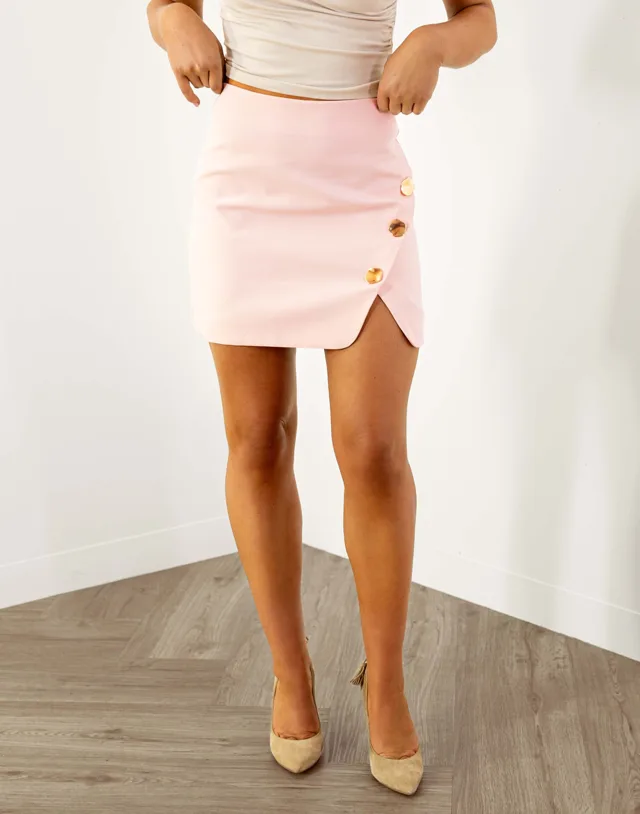
A matching bottom can often shift into a new role with a top that changes its visual weight. Pair a printed skirt or trouser with a simple tee, fine-knit layer, or crisp shirt. For a solid bottom, use pattern or color on top if you want the outfit to feel more expressive. Keeping one half visually quiet gives the other half room to stand out.
Compare the lengths and shapes of the pieces. A wide-leg bottom may pair well with a shorter top, a tucked-in shirt, or a layer that leaves the waist visible. A straighter or narrower bottom can work with a longer, looser top, especially when the fabric falls smoothly. These are starting points, not rules: try the combinations and notice which proportions feel balanced to you.
To make the outfit feel connected, repeat a small color from the bottom in an accessory, or choose shoes that continue its line. If the bottom has a distinctive print, let it remain the main event rather than adding several competing patterns. You can find additional top options, including the Melissa Top, to consider with pieces you already own.
Keep fabric and care in the mix
Fabric affects how a set drapes, layers, and holds its shape, so use its feel as a styling clue. A crisp fabric may hold a cleaner outline, while a softer or more fluid one may move easily under an open layer. When combining separates, compare their visual weight: a lightweight top may feel out of balance beneath a very heavy layer, while similar textures can make a mixed outfit look cohesive.
Care matters when you rely on pieces to coordinate. Check each garment’s care label, particularly before washing matching pieces together. Different colors, prints, and fabric types may call for different handling; following the individual instructions helps you care for each item appropriately. Store the pieces so you can find them again as a pair, but keep them available as separates in your everyday wardrobe.
If you are choosing a set online, review the listed garment details and consult the size guide as one part of your decision. Consider how you prefer tops and bottoms to sit and whether you plan to wear each piece with layers. A set does not have to be worn in only one way to be worth considering.
Choose a look with a simple decision process
Start with the occasion and comfort you want, then decide whether the set’s shared color or print should be the focus. If you want a quick, cohesive outfit, wear the pieces together and keep accessories simple. If you want a more individual look, separate one piece and change the silhouette, color, or texture around it.
Before heading out, try a second shoe or layer rather than rebuilding the outfit. Ask whether the proportions feel right when you sit, walk, and reach, and whether the outfit suits the setting. Then make one adjustment at a time: define the waist, change the layer length, simplify an accessory, or add a color echo.
That small process turns a matching set into a useful wardrobe tool instead of a one-look purchase. Wear it as a coordinated outfit when you want ease, and let each piece take a different direction when you want variety. The best co-ord styling is the version that feels natural for your plans and makes the clothes you own work together in more than one way.
Find a piece to make it your own.
Explore the current collection and ask us about the fit, details or availability of any style.
Explore Sets & one-piece styles