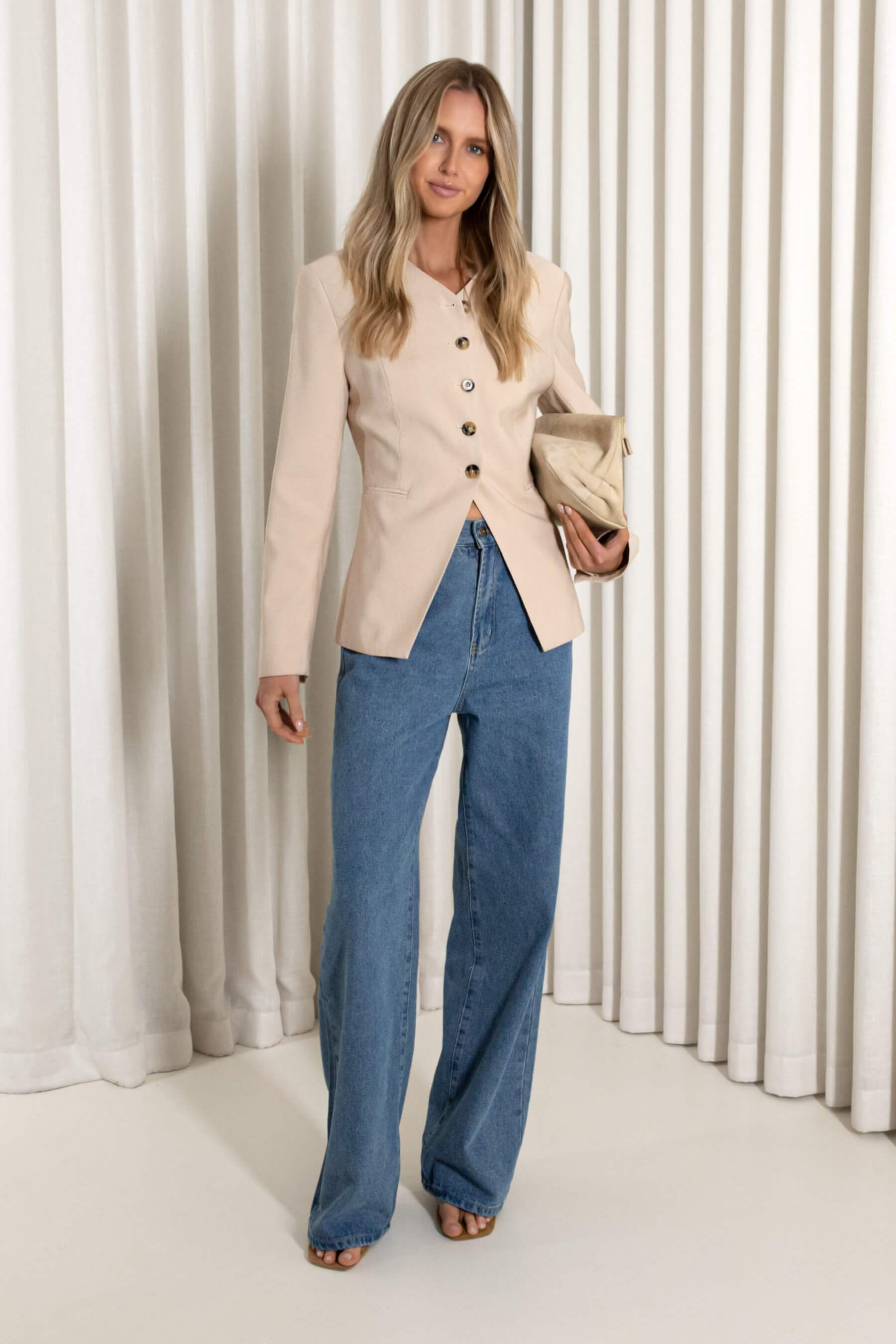
A blazer can make an outfit feel considered without requiring a full wardrobe change. The most useful blazer outfit ideas are not complicated formulas; they are combinations you can adapt to your schedule, comfort, and personal style. Start with a blazer that works with several pieces you already wear, then adjust the base layer, proportions, and accessories for the moment.
Think of the blazer as one layer in a flexible outfit, not a piece reserved for formal settings. A simple tee, a crisp shirt, or a dress can all give it a different mood. These combinations offer a practical way to wear women blazers across weekdays, weekends, and evening plans.
Start with the blazer’s shape
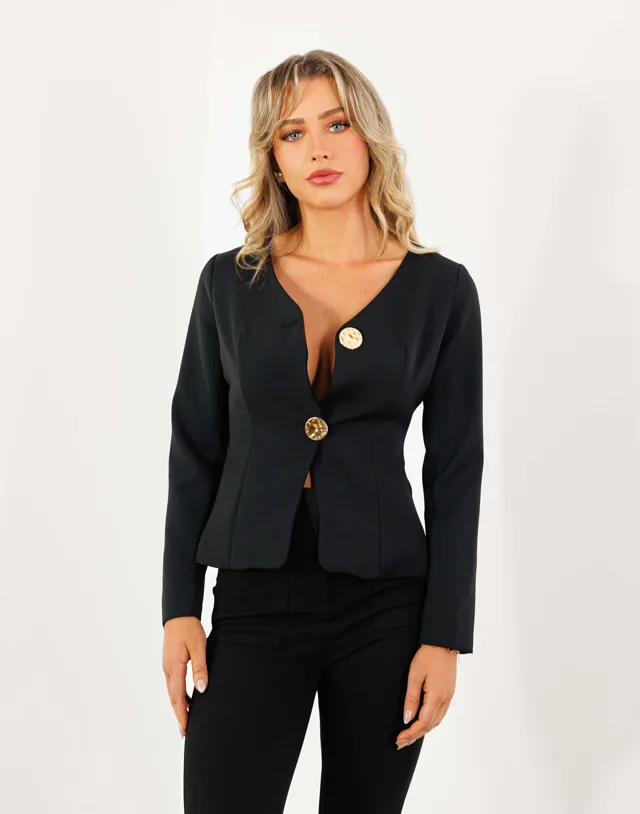
Before choosing the rest of an outfit, notice the blazer’s length, shoulder shape, closure, and overall volume. A relaxed cut has a different feel from a closer, more structured silhouette, and each can work with the same wardrobe basics. For example, the Huda Relaxed Blazer can be a reference point when considering a more laid-back approach to tailored layers.
Try the blazer over a familiar outfit and look at the outline from the front and side. Does the hem meet the waistband, cover the seat, or fall somewhere between? Does the sleeve leave room for a cuff underneath? These details can help you decide whether to pair it with a longer top, a tucked-in layer, or a more fitted bottom. The goal is balance that feels natural to you, rather than following a strict proportion rule.
Make a simple base feel finished
For an easy weekday combination, start with a tee or fine knit, straight-leg trousers, and a blazer. A tucked or half-tucked base can show the waistband and create definition; leaving a longer top untucked can make the look feel more relaxed. If the blazer is roomy, a cleaner-fitting base can reduce bulk beneath the sleeves and across the front.
Color can do some of the styling work. Pair a neutral blazer with a tonal base for a calm, coordinated look, or bring in a stripe or a restrained accent color. A shirt such as the Perez Stripe Shirt offers another route: wear it buttoned beneath the blazer for a crisp combination, or open it over a simple top when you want less structure. Keep the collar arrangement comfortable, and avoid forcing multiple layers to sit neatly if they bunch at the neckline.
Balance tailored layers with denim
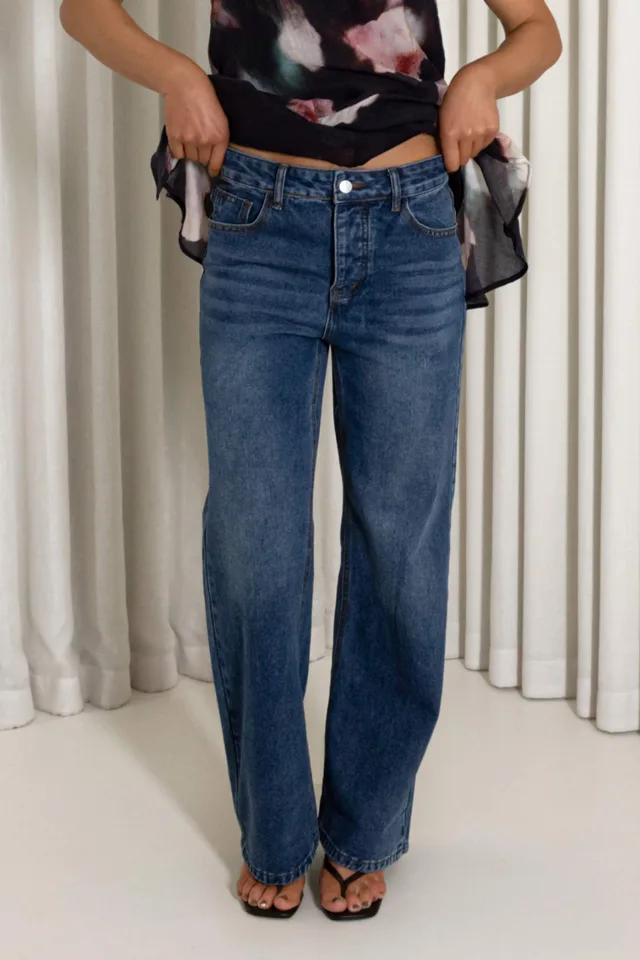
Denim gives a blazer an easy counterpoint, making it a useful pairing for casual plans or a relaxed office setting. Try a blazer with straight-leg jeans, a simple top, and loafers, flats, or clean sneakers. A cropped or shorter blazer can meet the waistband; a longer style can work with a streamlined top so the outfit does not feel crowded.
Wide-leg jeans can also pair well with a blazer. To keep the outfit intentional, consider where the blazer hem falls in relation to the jeans’ rise and volume. A tucked top, a defined belt, or a shorter inner layer can make the waistline visible, while a longer top may create a more fluid silhouette. Choose the option that suits the day and feels comfortable when you sit, walk, and move.
Accessories can shift the same combination from casual to polished. A structured bag and simple earrings add definition; a soft tote and minimal jewelry keep the mood easy. You do not need to add several statement pieces at once. One detail, such as a belt or a colored shoe, can be enough to make familiar denim feel newly styled.
Use a blazer to restyle a dress
A blazer over a dress is a straightforward way to vary a piece you already enjoy. For a softer contrast, layer a relaxed blazer over a flowing dress and let the dress remain the focal point. For a more defined look, try a shorter blazer or add a slim belt where it feels comfortable. Check the hem lengths together: a dress that extends below the blazer can create a clear layered effect, while close hems may read as one continuous line.
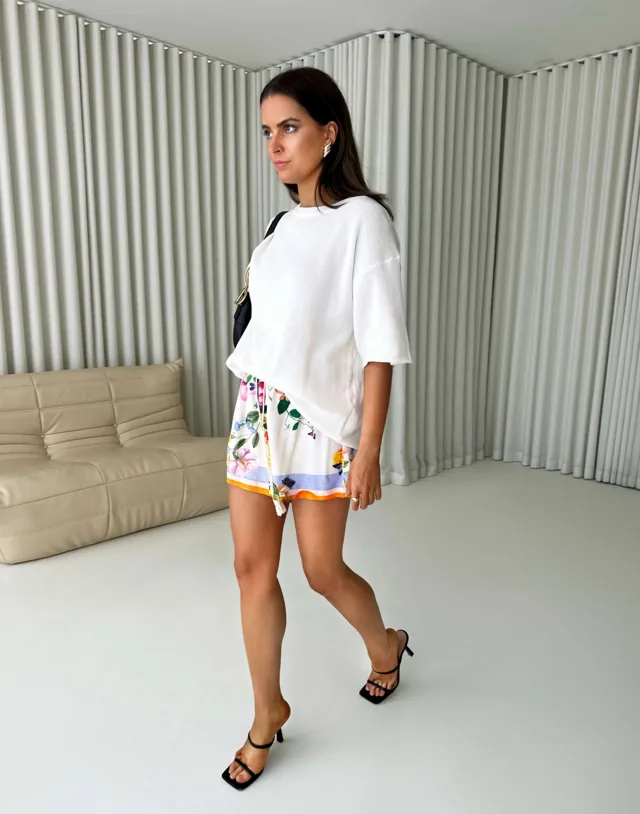
For an evening-inspired combination, a blazer can temper the shine or embellishment of a special-occasion piece. Consider a style like the Maddy Sequin Tunic Dress with simple shoes and understated jewelry, letting the contrast between a tailored layer and a dressier finish carry the outfit. Keep the blazer easy to remove if the temperature or setting changes, and choose a base layer that sits smoothly underneath.
Build a comfortable work-to-evening outfit
When plans span several parts of the day, begin with a comfortable base you would wear on its own. Trousers and a knit top, or a dress with shoes you can manage for a longer stretch, give the outfit a useful foundation. Add the blazer for extra polish, then keep a small accessory change in mind: switch a daytime tote for a compact bag, add earrings, or trade flats for another shoe you already find comfortable.
Pay attention to the practical details. A sleeve should allow normal movement, and a closure should not pull when you sit. If you tend to run warm, choose a lighter base and wear the blazer open; if you expect a cooler room, leave enough ease for a thin knit underneath. For fit questions when shopping, consult the size guide and compare its information with the measurements and fit preferences that matter to you.
Choose shoes and accessories with intention
Shoes influence how formal a blazer outfit feels, but they also affect how practical it is. Loafers, flats, and low-profile sneakers can keep tailored pieces approachable. Heeled shoes add a dressier note, while boots can make a blazer-and-denim combination feel grounded. Think about the walking and standing your day involves, then choose accordingly.
With accessories, consider the blazer’s details rather than adding decoration automatically. A blazer with a distinctive cut or prominent buttons may need little more than a simple bag. A pared-back style can support a patterned scarf, layered necklaces, or a brighter shoe. If you want more options for the base layer, browse the Tops collection for ideas that can work beneath tailored layers. Keep jewelry clear of closures and details that might catch when you put the blazer on or take it off.
Care for the fabric and keep the outfit flexible
Care depends on the garment’s fiber and construction, so read its care label before washing, steaming, or pressing. Avoid assuming every blazer can be treated like a cotton shirt. If the label recommends professional cleaning, follow that guidance; for other fabrics, use the listed method and test a discreet area before applying heat when appropriate. Store the blazer on a hanger that supports its shoulders, and give it room to air between wears.
For a final outfit check, ask three questions: Does the base layer sit comfortably? Do the blazer and bottom create a proportion you like? Can you move through your plans without fussing with the outfit? If the answer is yes, the combination is ready. A small rotation of jeans, trousers, tops, and dresses can give one blazer several distinct roles, making versatility less about owning more and more about styling thoughtfully.
Find a piece to make it your own.
Explore the current collection and ask us about the fit, details or availability of any style.
Explore Layers & outerwear