Everyday clothes care does not need to become a complicated chore. A few small decisions—checking the label, sorting by fabric, and choosing a suitable drying method—can help garments stay ready for repeat wear. The most useful routine is flexible: care for the material and finish in front of you, then build outfits around what feels comfortable and works for the day.
Start with the label, then assess the garment
Before washing, look at the care label and follow its instructions. Fiber content, construction, lining, trims, and surface finishes can all affect how a piece should be cleaned. If a label gives specific directions, use those rather than relying on a general rule for a fabric category. When instructions are unclear, take a cautious approach and consider professional cleaning for a delicate or structured item.
Check the garment for visible marks, loose closures, and items left in pockets. Close zippers and fasten hooks where practical, and turn pieces inside out when that suits the label and helps protect the outer surface. Treat a small spot promptly according to the care instructions instead of rubbing vigorously. Gentle handling is a useful starting point for a dependable garment care guide.
Sort by color, weight, and texture
Sorting is about more than separating lights from darks. A lightweight top can be roughed up by heavier pieces, while textured items may catch on hardware or rough surfaces. Group similar colors and weights, and keep items with delicate finishes away from abrasive companions. Use a mesh laundry bag when suitable for a small or delicate piece, while still following its care label.
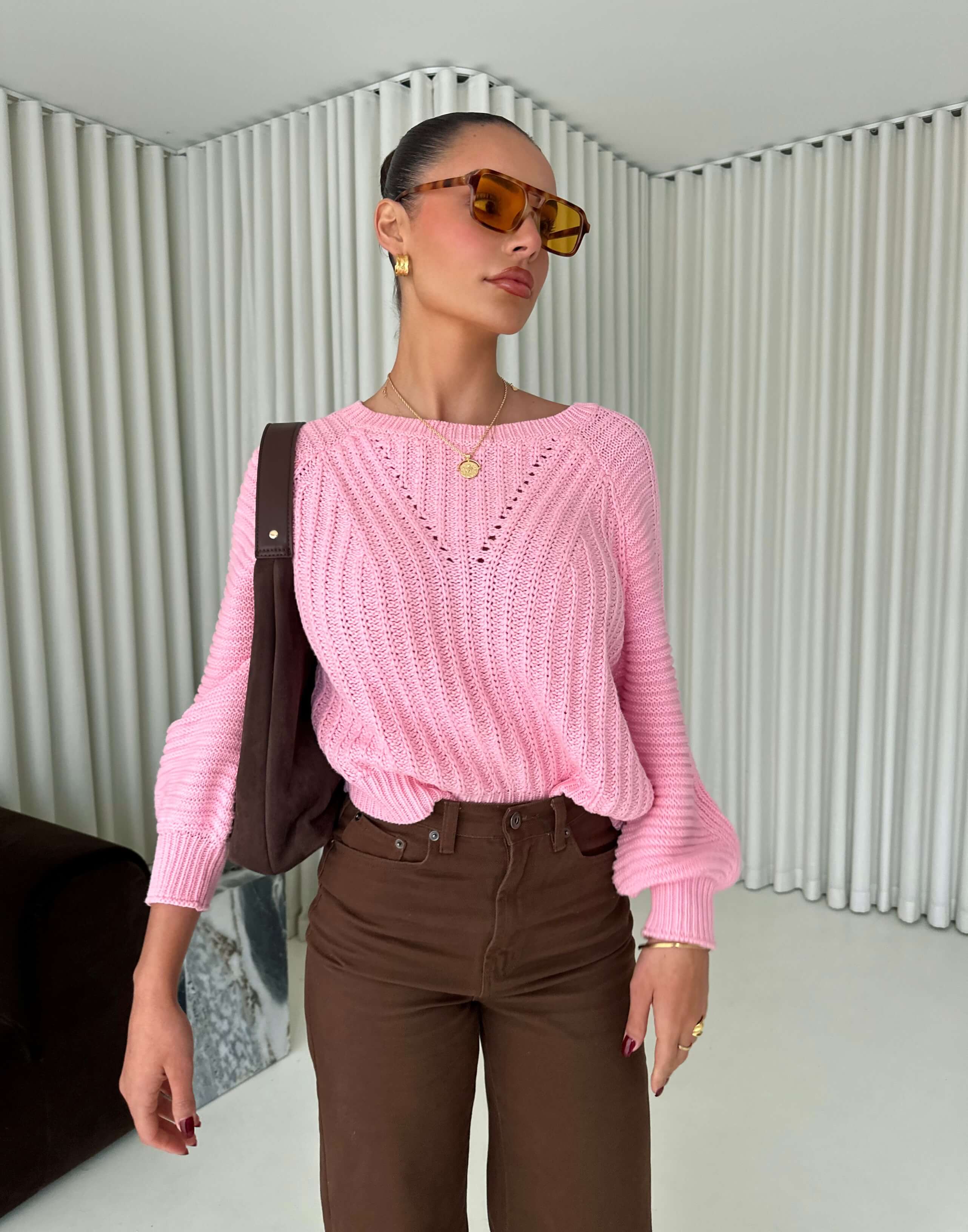
Think ahead about how you want to wear the pieces after laundry day. A soft knit can anchor a relaxed outfit with trousers and simple earrings; a smooth top may suit a skirt or layered look. The Tops collection can be a useful place to consider different shapes for a rotation, while your care routine helps each piece return to the wardrobe in a ready-to-style state.
Care for knits without stretching them
Knits can be comfortable layering pieces, but their loops and shape deserve gentle treatment. Follow the label for washing temperature and cycle. Avoid overloading the machine, which can leave garments crowded, and use a mild detergent appropriate for the instructions. If hand washing is indicated, use gentle movements rather than twisting or wringing the fabric.
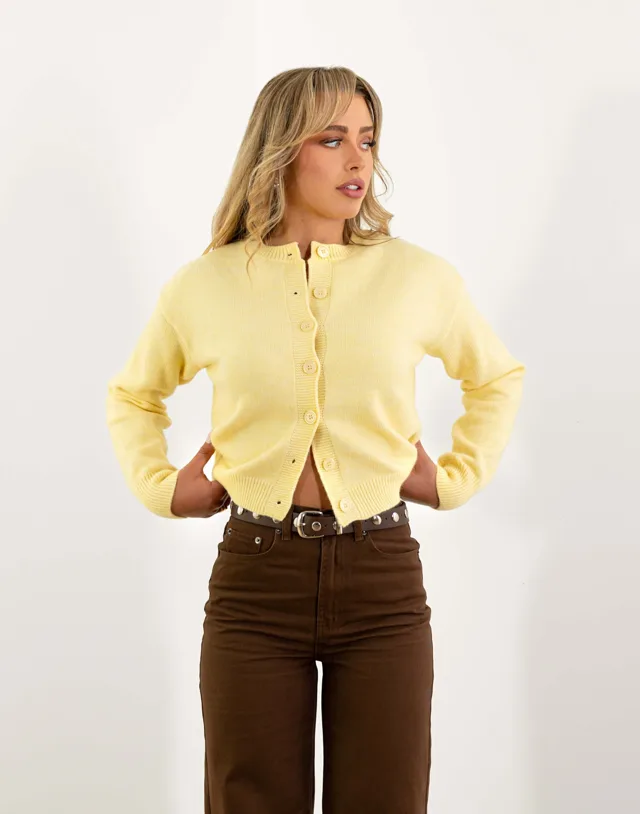
After washing, support the garment as you lift it. If the care label allows air drying, reshape it and dry it flat when the fabric or construction could stretch on a hanger. Keep it away from direct heat unless the label says otherwise. Once completely dry, fold knits rather than hanging them for long periods if hanging could pull their shape. A layer such as the Wendy Cable Knit can bring texture to a simple outfit; balance a more dimensional knit with smoother pieces and restrained accessories.
Keep woven fabrics crisp and wearable
Woven garments often benefit from being removed from the dryer or drying area promptly, if the care instructions permit, and smoothed by hand while slightly damp. This can make later pressing easier. Use the iron setting recommended on the label, and test a less visible area when you are unsure how a finish will respond. A pressing cloth can add a protective layer when appropriate, but the garment’s care directions should lead.
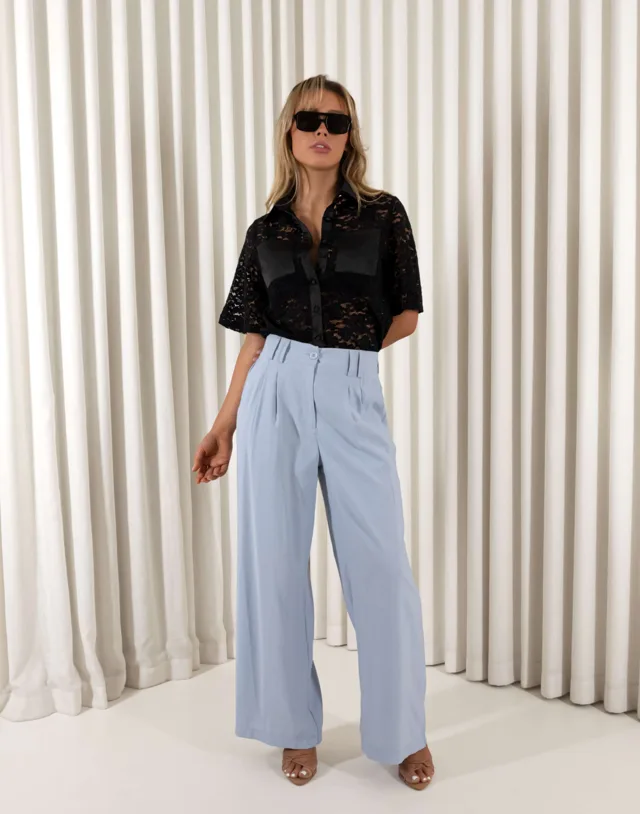
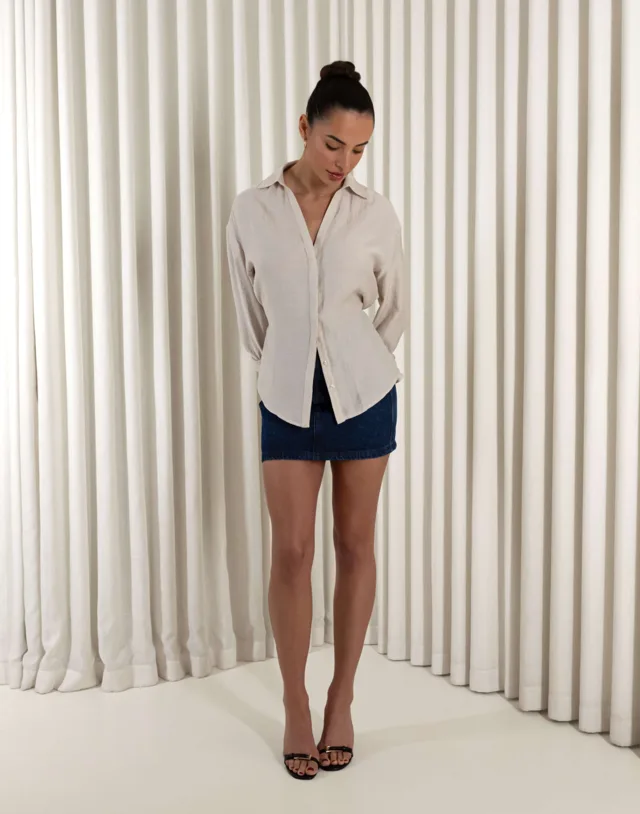
For a polished everyday proportion, pair a woven top with trousers that sit comfortably at the waist, or tuck in only the front to keep the line relaxed. A belt, small hoops, or a light layer can add definition without making the outfit feel formal. If you are comparing trouser proportions, the size guide offers a practical reference alongside your own fit preferences. Care and fit work together: a fresh, well-kept garment is most useful when it also feels right to wear.
Protect smooth finishes and delicate details
Satiny surfaces, decorative trim, elastic sections, and specialty finishes may need extra attention. Avoid washing a detailed item with rough fabrics or exposed fasteners that could snag it. Turn it inside out when the label permits, choose a gentle cycle if directed, and avoid high heat unless specifically allowed. Do not assume that a shiny appearance means a garment is silk; check its fiber content and instructions instead.
When dressing, let a smooth or embellished piece take the lead. Pair it with uncomplicated bottoms and accessories that will not catch on the fabric. For example, a clean neckline and a simple bag can let a statement top feel intentional without adding visual clutter. The Pam Strapless Top or Jones Off Shoulder Top can be considered as distinct styling options; check each item’s own product details and care label before deciding how to clean or layer it.
Choose drying and storage with care
Heat can affect some fibers, elastic, and finishes, so check the label before using a dryer. When air drying is suitable, leave room for circulation and avoid leaving garments damp in a pile. Direct sunlight may affect some colors over time; a shaded, ventilated spot can be a sensible choice when the instructions allow. Make sure clothing is fully dry before putting it away.
Store everyday pieces according to their structure. Fold stretch knits and heavier items if a hanger could pull them out of shape. Hang woven tops and jackets on suitable hangers with enough space to keep shoulders and collars in place. Keep frequently worn pieces easy to reach, and store off-season items clean and dry. A little breathing room makes it easier to see outfit combinations rather than rediscovering clothes in a crowded closet.
Refresh between wears and build a repeatable routine
Not every garment needs laundering after one wear. Base the decision on the care label, how long you wore it, and whether it has absorbed odor or picked up a visible mark. For a piece that is ready to wear again, air it out before returning it to the closet. Use a fabric brush only when appropriate for the surface, and address spots with a method suited to the material.
Make the routine manageable by grouping care tasks: check labels before a load, separate delicate pieces, and set aside anything that needs special attention. When getting dressed, start with the day’s needs—comfort, weather, and movement—then choose a base outfit and add a layer or accessory. A knit over a simple top, a woven shirt with relaxed trousers, or a polished top with understated jewelry can each create a different mood from familiar pieces.
Good fabric care is not about keeping every item pristine or following rigid rules. It is about making informed choices, treating finishes thoughtfully, and keeping clothes in rotation in a way that suits your life. With a label-first approach and a few reliable styling combinations, everyday clothes care can feel less like a project and more like a natural part of getting dressed.
Find a piece to make it your own.
Explore the current collection and ask us about the fit, details or availability of any style.
Explore Tops & shirts