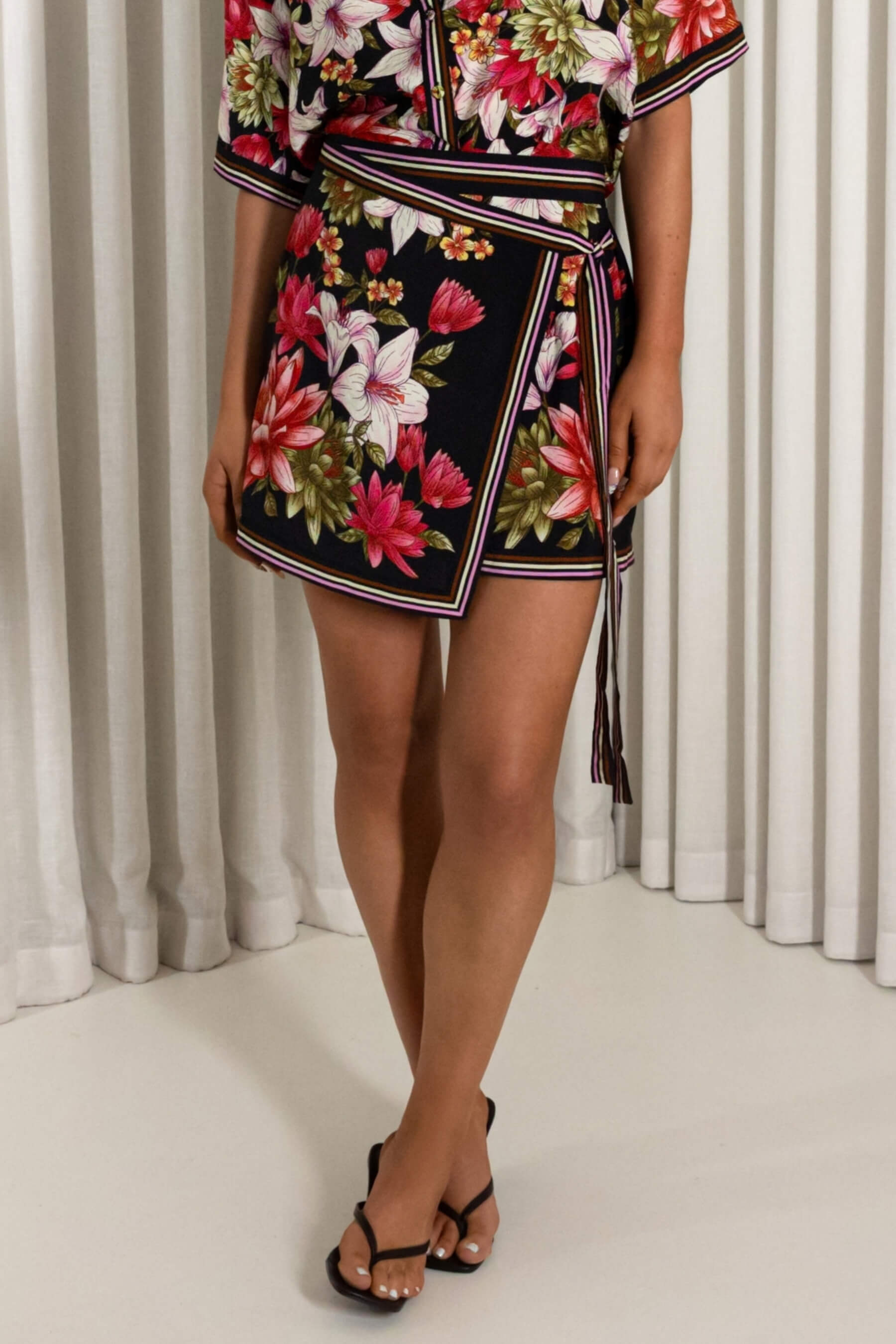
When an invitation arrives, it is tempting to assume you need something new. Often, the most useful first step is to look at your closet with the event in mind. A familiar skirt, well-fitting trousers, or a dress you already enjoy can become a fresh event outfit with a change of proportions, a thoughtful layer, and accessories chosen for the setting.
Instead of assembling a look around a single trend, work through a few practical decisions: what the occasion calls for, which pieces you trust, and what will help you feel at ease from arrival to the end of the event. This approach makes closet styling less like a guessing game and gives you occasion outfit ideas that can adapt to different plans.
Start with the invitation, not the closet
Read the invitation for clues about formality, location, timing, and activities. A daytime gathering outdoors may call for a lighter layer and shoes suited to walking, while an evening celebration could feel more polished with tailored separates and a refined bag. If the dress code is specific, use it as your starting point; if it is casual or unstated, consider the host, venue, and occasion without trying to decode every detail.
Think through the practical parts, too. Will you be seated for dinner, standing through a reception, or moving between indoor and outdoor spaces? Is there a chance of a cool evening? Answering these questions helps narrow your choices before you pull out half the closet. The goal is to match the event’s tone while leaving room for your own style.
Choose one reliable starting piece
Pick an item that already feels comfortable and gives you a clear direction. It might be a dress, a skirt, or trousers you reach for when you want to look put together. A useful starting piece can be simple; its value is that you know how it sits, what you like wearing with it, and whether you can move comfortably in it.
If you want a tailored foundation, consider how Jessi Tailored Pants might work with a blouse, knit, or structured jacket you already own. For a more relaxed base, Jenny Black Jeans can be styled with a dressier top and considered accessories when the occasion allows a casual interpretation. Browse the Bottoms collection for additional outfit-building inspiration, then check your own wardrobe for pieces with a similar role.
Balance shape and proportion
Once you have a starting piece, look at the outline of the whole outfit. With a fuller skirt, a tucked-in top or a shorter layer can make the waistline easy to see. With straight or wide-leg trousers, try a top that ends near the hip or tuck in just the front to show where the outfit begins. These are options, not rules: a longer top can work beautifully if you like the way it moves and the proportions feel intentional to you.
Try the outfit on and view it from more than one angle. Notice where hems fall, whether sleeves bunch under a jacket, and whether the top and bottom seem to compete for attention. A small adjustment—rolling a sleeve, changing a tuck, or swapping a long cardigan for a cropped jacket—can shift the balance without requiring another purchase. Comfort and personal preference matter more than following a fixed formula.
Use color and texture to make familiar pieces feel new
Closet styling often comes down to combinations you have not tried together. Start with one color already present in your outfit and repeat it in a small detail, such as a shoe, belt, or bag. Alternatively, keep the main pieces quiet and introduce contrast through texture: a smooth blouse with a textured skirt, or a soft knit over crisp trousers. A limited palette can feel cohesive, while a brighter accent can make a familiar base feel more celebratory.
Check how fabrics behave together before settling on the look. A delicate or easily creased item may need gentle handling, while a heavier layer can change the drape of a lighter top. Follow the care label for cleaning and pressing, and test any steaming approach on an inconspicuous area if you are unsure. Preparing pieces ahead of time gives you a chance to notice wrinkles, lint, or loose fastenings without rushing on the day.
Add a layer for polish and flexibility
A layer can make an outfit feel finished and help you adapt to a venue’s temperature. Try a blazer over a simple top, a cardigan over a dress, or a light jacket with a skirt and boots. The best choice depends on the event and on how the layer works with the outfit’s shape. Check that it does not pull across the shoulders or hide a detail you want to show, and consider whether you will want to keep it on for most of the event.
Pay attention to fabric and care when layering. If a garment is delicate, avoid rough fastenings or accessories that might snag it. For a piece that wrinkles easily, plan how you will transport it and give it time to settle before getting dressed. A practical layer is not an afterthought; it can tie the look together while making the outfit more adaptable.
Choose accessories for the actual occasion
Accessories can shift the mood of pieces you already own, but they should suit the event’s demands. A small bag may be elegant for a seated dinner; a hands-free option can be more useful if you expect to move around. Choose shoes you can comfortably wear for the expected amount of standing or walking, and think about the venue before choosing a heel or sole. If you are uncertain, try your shoes with the full outfit at home and walk around for a few minutes.
Keep the finishing touches deliberate. One noticeable earring, a simple necklace, or a belt may be enough to give a look definition. If the neckline or fabric is already doing a lot, let the accessories be quieter. A skirt with a distinctive texture, such as the Carolyn Lace Skirt, can be a starting point for a more restrained top and uncomplicated shoes. The result should feel considered, not crowded.
Do a final try-on and make one useful adjustment
Before the event, put on every part of the outfit, including shoes, underlayers, and the bag you plan to carry. Sit, stand, reach, and walk. Check that hems stay where you want them, layers sit comfortably, and nothing needs constant adjusting. If you are comparing sizes or checking garment details, the size guide can offer a helpful reference; fit preferences are personal, so use it alongside how the piece feels on you.
When something seems off, change one element at a time. Swap the shoes, try another layer, or adjust the tuck before abandoning the whole outfit. Take a quick photo if it helps you see the overall proportions more clearly, then choose the version that feels appropriate and comfortable. Put the selected pieces together in advance so getting dressed is straightforward.
Building an event outfit from your own closet is a process of editing, not settling. Begin with the invitation, anchor the look in a piece you trust, and use proportion, texture, layers, and accessories to make it feel right for the moment. With a little preparation, familiar clothes can come together in a way that feels fresh, personal, and ready for the occasion.
Find a piece to make it your own.
Explore the current collection and ask us about the fit, details or availability of any style.
Explore Bottoms