Choosing what to wear to a wedding can feel surprisingly complicated when the invitation leaves plenty of room for interpretation. Color is a useful place to begin: it can help an outfit feel connected to the occasion while still reflecting your own taste. Rather than searching for one universally correct shade, use the details you have to make a choice that feels considerate, comfortable, and distinctly yours.
This guide offers a simple approach to wedding guest dress colors, from reading the invitation to finishing your look with accessories. Think of each suggestion as a starting point, not a strict rule. The right decision depends on the couple’s preferences, the event setting, and what you enjoy wearing.
Begin with the invitation and dress code
Read the invitation, wedding website, and any notes from the couple before choosing a color. A stated dress code usually describes formality rather than a required palette, but the surrounding language may offer useful clues. A request for a particular color, a themed celebration, or guidance about cultural traditions deserves more attention than a guess based on the venue alone.
If the couple has shared a palette, you can use it as inspiration without needing to match it exactly unless guests are specifically asked to do so. You might choose a related tone, a soft neutral, or a complementary shade. When instructions are unclear and the relationship makes it appropriate, a brief question to the couple or wedding party can prevent uncertainty. Avoid treating online etiquette sayings as more important than the hosts’ own preferences.
Use the setting to narrow your palette
The location can help you picture the mood of the day. A garden celebration may feel at home with leafy greens, floral prints, or gentle colors; a formal evening venue may suit jewel tones, deeper shades, or refined neutrals. A beach or outdoor gathering can make lighter, sun-washed colors feel natural, while a city ceremony might invite a crisp, tailored palette. These are possibilities, not requirements: a deep shade can work outdoors, and a lighter color can feel elegant at night.
Consider the practical surroundings, too. For an outdoor ceremony, think about whether the color and fabric will feel comfortable in the expected conditions, and whether you may be seated on grass or walking across uneven ground. For a long evening indoors, choose a shade you will enjoy seeing in photographs and wearing through dinner and dancing. Browse the Dresses collection to compare different color directions and silhouettes as you make your shortlist.
Choose seasonal color without dressing like a forecast
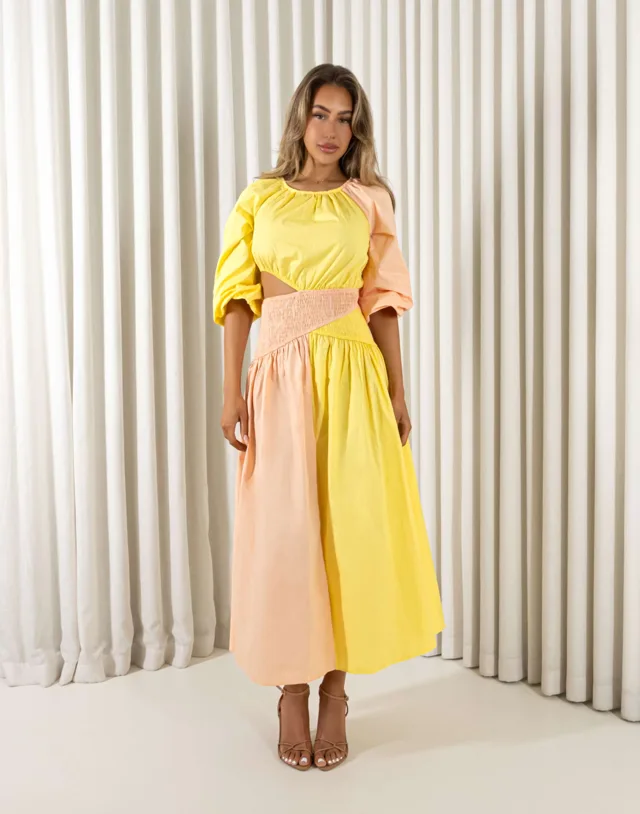
Season can be a helpful prompt, but it should not dictate your outfit. Spring may bring to mind soft pastels and clear florals; summer can suggest vivid color or airy-looking prints; autumn often inspires rust, wine, and rich green; winter can make deeper hues and polished neutrals appealing. You can also turn those expectations around. A bright shade in winter or a muted tone in summer may be exactly right for your style and the event.
Use the whole outfit to balance a seasonal color. If you love a saturated dress, understated shoes and a simple bag can keep the look composed. If you prefer a pale or quiet shade, add interest with texture, jewelry, or a patterned wrap. The aim is not to follow a seasonal checklist. It is to choose a color that makes sense beside the invitation and feels enjoyable to wear.
Handle white, black, and bold shades thoughtfully
White and very pale shades call for a little extra consideration because a wedding guest usually does not want to be mistaken for the person getting married. If a light dress is part of your usual wardrobe, check how it reads in daylight and photographs, and consider whether its pattern, cut, or styling clearly makes it a guest outfit. When the couple has requested an all-white or light palette, follow their guidance. A white option such as the Morgan Dress can be considered in that context rather than by color alone.
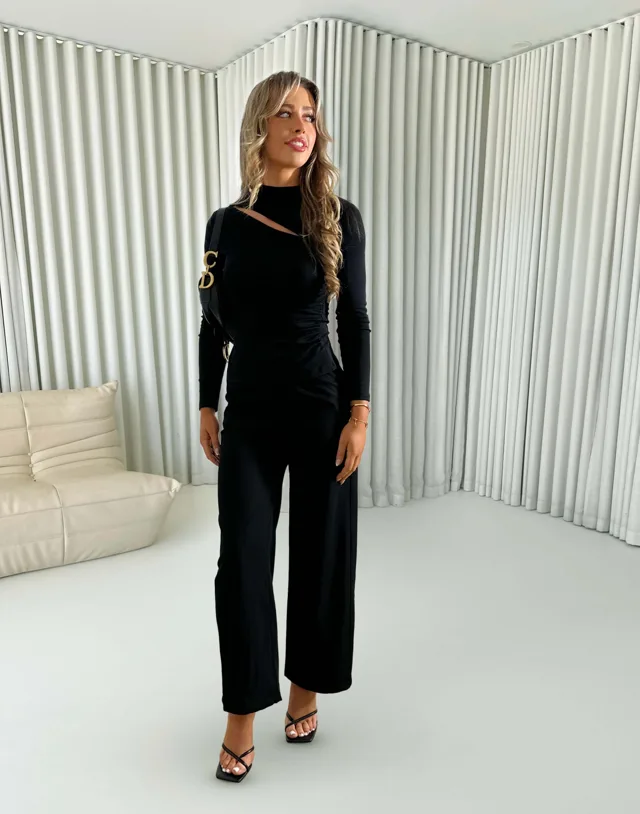
Black can be an elegant choice for many celebrations, particularly an evening event, but the invitation and local customs should guide you. If you want to soften a dark dress, try metallic jewelry, a colorful shoe, or a lighter layer. Bold colors are also welcome when they suit the occasion. If you are concerned about drawing focus, choose a simple silhouette and keep accessories balanced rather than abandoning a shade you love.
Let silhouette and color work together
Color is only one part of the impression an outfit creates. A clean silhouette can make a vivid shade feel polished, while a print or detailed neckline can make a neutral feel expressive. For wedding guest style that feels intentional, consider the balance of shape and color together: a flowing skirt with a defined waist, a fitted dress with a light layer, or a simple cut with one statement accessory.
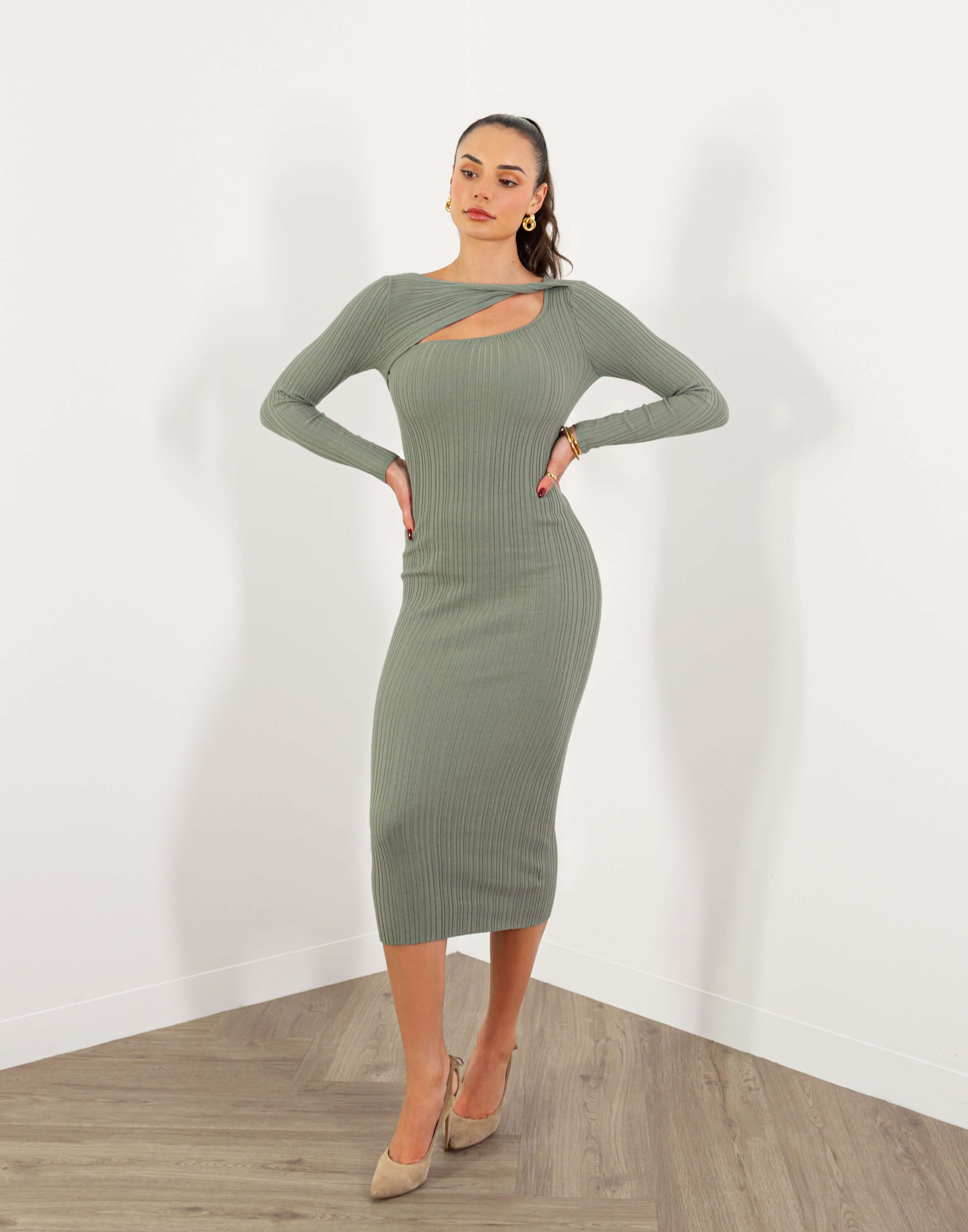
Think about proportions in a practical way. If a dress has a fuller skirt, a neat jacket or cropped cardigan can define the upper half; if the dress is sleek, a softly draped wrap can add movement. A higher neckline may pair well with earrings rather than a necklace, while an open neckline can leave room for a pendant. The Holt Midi Dress is one example of a green dress to consider when exploring a color-forward, streamlined direction. Choose according to your own comfort and preferences, not a fixed idea of what any body or age should wear.
Build a useful shortlist and try it on
Make the decision smaller by narrowing your options to three questions: Does this color respect the couple’s guidance? Does it suit the formality and setting? Do I feel like myself in it? If a dress clears those checks, try it with the shoes and undergarments you expect to wear. Sit, walk, reach, and move as you might during the event. A color you like is most useful when the outfit also feels easy to wear.
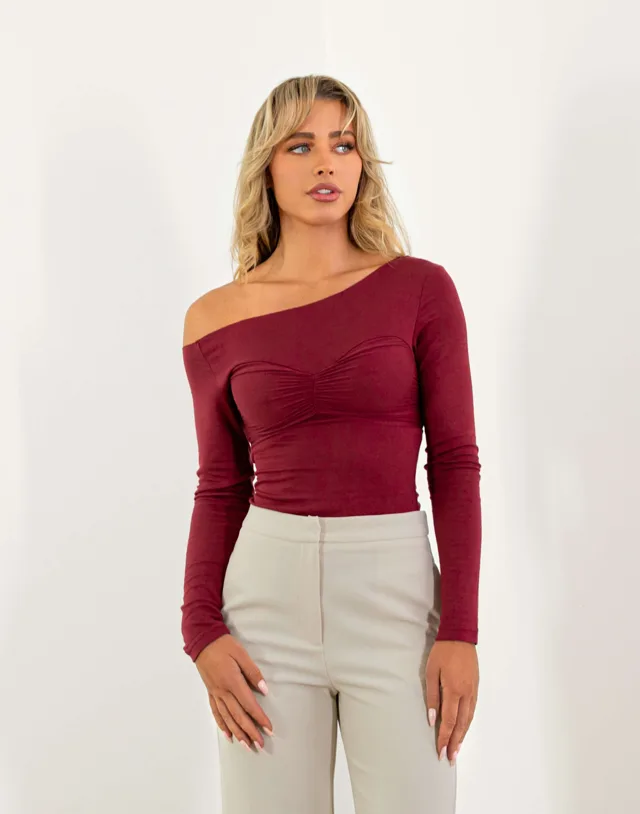
If you are choosing between several shades, check them in natural light and consider the full look rather than judging a garment alone. The pink Cole Dress, for example, offers a way to think about a pink option alongside a more defined neckline and pleated shape. For fit questions, consult the size guide and compare its information with your own measurements. A thoughtful shortlist is more helpful than trying to solve every possible etiquette question at once.
Finish with layers, accessories, and care
Accessories can connect your color choice to the rest of the outfit. Metallics often work as a versatile accent; a shoe or bag in a related tone can create a quieter, coordinated effect. If your dress is patterned, pick one color from the print for an accessory rather than adding several competing shades. A light jacket, wrap, or cardigan can make a sleeveless or open-neck style more adaptable for a cooler evening or a ceremony setting. Choose a layer that sits comfortably over the dress and does not overwhelm its proportions.
Check the care label before steaming, pressing, spot-cleaning, or packing your outfit. Delicate fabrics and embellishments may need gentler handling, and colors can respond differently to heat or moisture. If you are traveling, hang the dress when possible and bring a layer that works with your shoes and accessories. These small preparations help keep the focus on enjoying the celebration.
Ultimately, choosing wedding guest dress colors is a flexible decision, not a test with one right answer. Start with the couple’s guidance, let the setting and season offer ideas, and choose a silhouette and shade that feel comfortable together. With a considered layer and a few well-chosen accessories, occasion dressing can feel personal, polished, and ready for the day.
Find a piece to make it your own.
Explore the current collection and ask us about the fit, details or availability of any style.
Explore Dresses