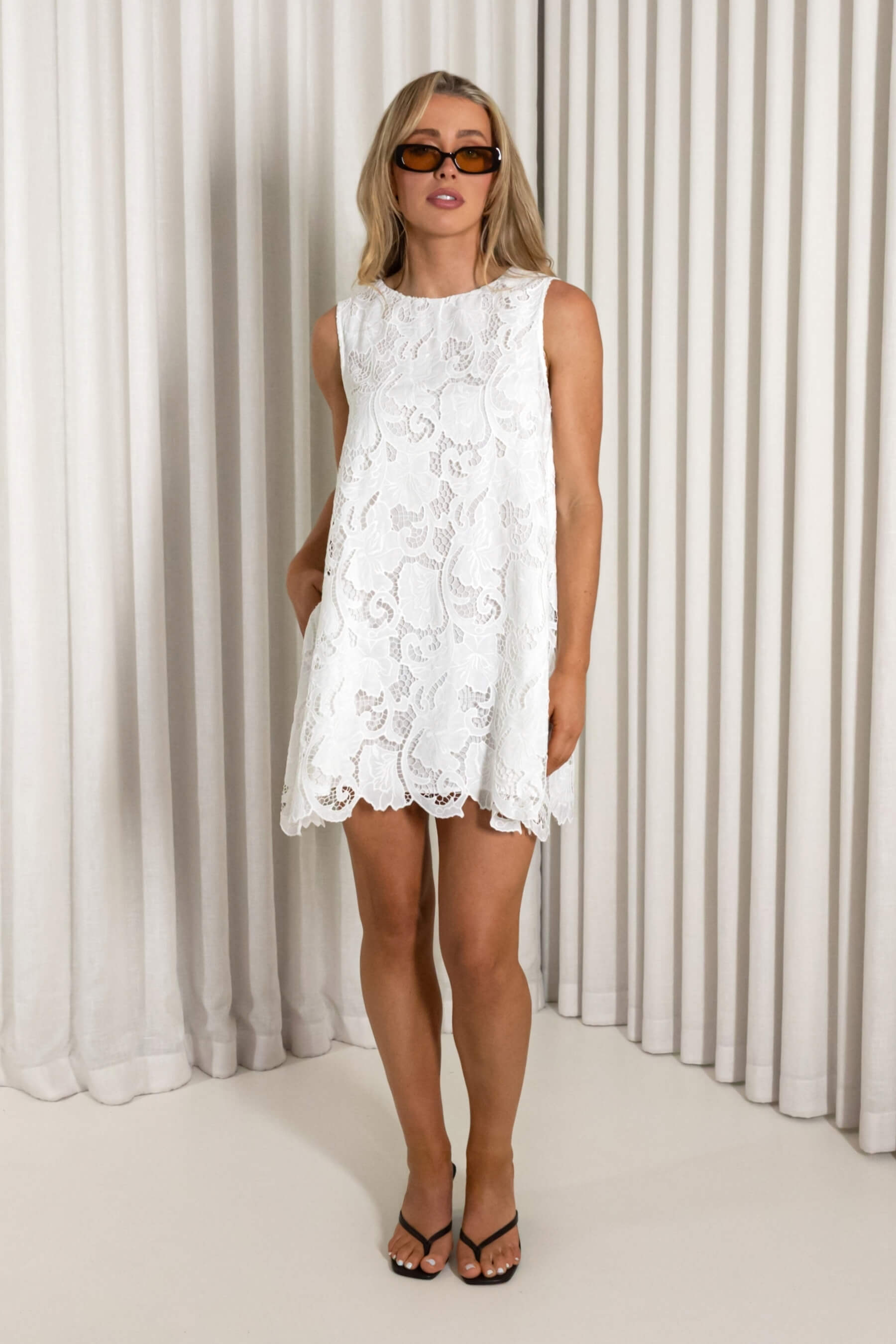
Choosing what to wear to a wedding is easier when you start with the invitation, the setting, and your role in the day. A mother of the bride outfit may call for a little extra coordination and polish, while a wedding guest outfit should feel festive without competing with the couple. In either case, the goal is not to follow a rigid formula. It is to find an occasion dress or separates that suit the celebration, work comfortably for the schedule, and feel like you.
Start with the invitation and the setting
Read the invitation for a dress code, then consider the location and time. A formal evening reception may suggest richer colors, refined fabrics, and more structured accessories. A daytime garden gathering can feel right with a lighter palette, a printed dress, or a softly flowing silhouette. A ceremony at a place of worship, a breezy outdoor venue, or a temperature-controlled ballroom may each call for different layers and footwear.
If the dress code is not specific, ask the couple or a member of the wedding party rather than guessing. Also consider the full itinerary: a look that works for a ceremony, family photographs, dinner, and dancing is often more useful than an outfit suited to just one moment. For a range of possible silhouettes and colors, browse the Dresses collection as a starting point.
Coordinate without matching the wedding party
For the mother of the bride, coordination can mean choosing a tone that complements the wedding palette without duplicating the attendants’ exact color or style. It is helpful to ask about colors the couple would like you to avoid, and whether the other parent has already chosen an outfit. You do not need to dress identically to anyone; a shared level of formality or a harmonious color family can create a considered look.
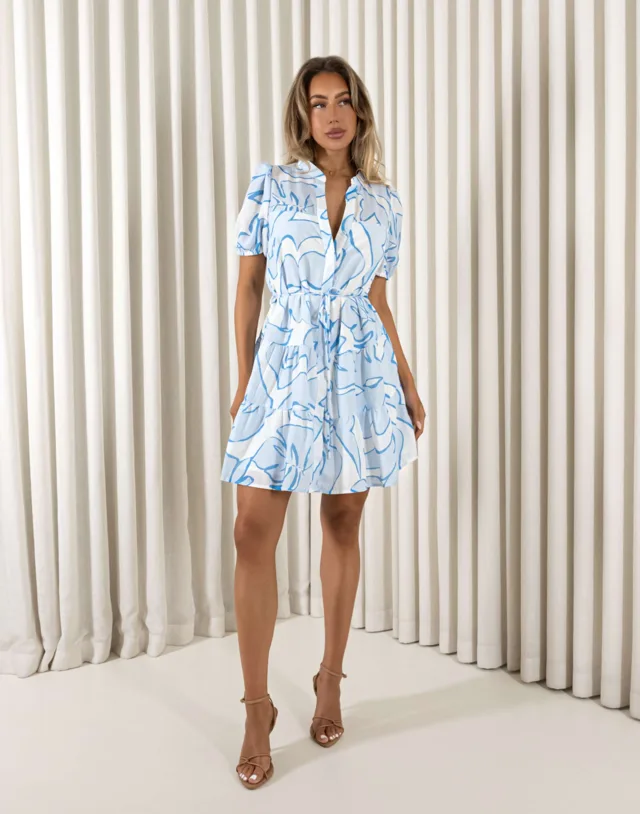
Guests can take a similarly thoughtful approach. If the couple shares a palette, use it as inspiration rather than a demand unless the invitation explicitly requests a particular color. When uncertain, choose a polished shade or print that feels celebratory and does not draw attention away from the couple. The Hathaway Floral Dress offers one example of a floral direction to consider when you are exploring print and color options.
Choose a silhouette for the whole day
Think about how you want to move, sit, greet guests, and dance. A defined waist, an easy A-line shape, a column silhouette, or a softly draped dress can each work beautifully; the right choice depends on your preferences and the event. Consider hem length in relation to the venue and your shoes. If you expect to walk across grass or uneven paving, a hem that clears the ground and a stable heel may be more practical.
Proportion can help an outfit feel balanced. A fuller skirt can pair well with a more fitted or neatly tucked top, while a streamlined dress may welcome a jacket, wrap, or more expressive accessory. These are options, not rules: try combinations that feel comfortable and reflect your own style. If comparing measurements or choosing among sizes, consult the boutique’s size guide and allow time to assess the garment at home with the shoes and underlayers you plan to wear.
Make color and print work for the occasion
Color is personal, but the setting can guide your shortlist. Soft neutrals, saturated jewel tones, pastels, and nuanced prints can all suit wedding celebrations. Consider the season, the venue, and the light in which you will be photographed. A bold print can feel especially lively for a daytime event; a quieter solid can make accessories easier to coordinate. If a dress has several colors, choose one of them for shoes, a wrap, or a small bag to give the outfit a deliberate finish.
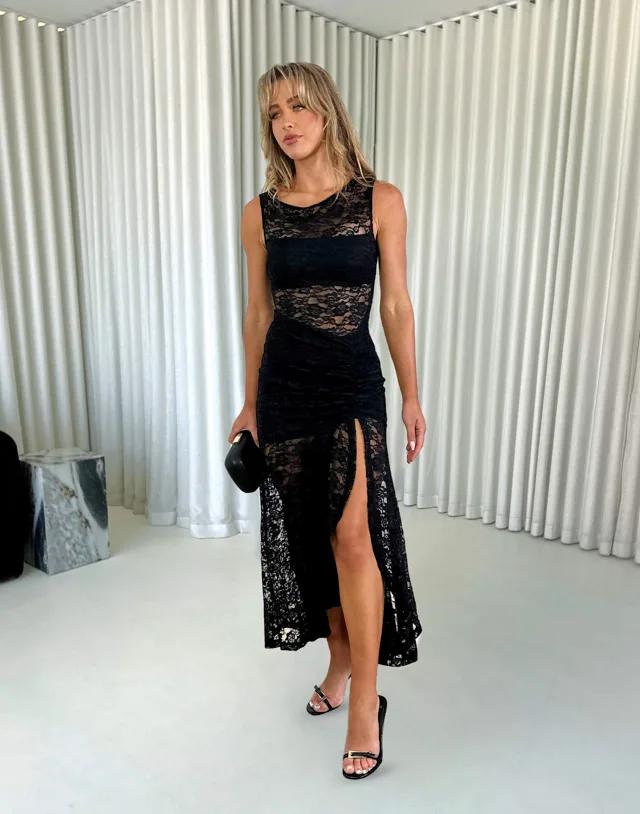
White and very pale shades can read differently under bright light, so guests may prefer to check with the couple if a look is close to bridal white. The same courtesy applies to any requested dress code or cultural expectations. For an evening celebration where a little sparkle feels appropriate, the Steven Sequin Dress can be a reference point as you think about the level of shine you want. Balance embellished clothing with simpler jewelry and accessories.
Use layers and accessories with purpose
A layer can make an outfit more adaptable without changing its character. A tailored jacket gives structure, while a light wrap or cardigan can add coverage for a cool ceremony or air-conditioned reception. Check how the layer sits with the neckline and sleeves, and whether it stays in place when you move. If the event is outdoors, think about wind, sun, and the walk between locations; comfort matters as much as appearance.
Build accessories around what the outfit needs. Earrings can bring attention to the face, a necklace can complement an open neckline, and a small bag keeps essentials close without adding bulk. Choose shoes you can realistically wear throughout the day, and consider bringing a backup pair if the schedule includes extended standing or dancing. A stripe or other graphic pattern may already provide visual interest: the Mike Stripe Dress is one example to consider when thinking through how a patterned dress might guide simpler finishing touches.
Check fabric, comfort, and care before the event
Fabric affects how a dress feels and how much attention it may need. Smooth, structured materials can offer a more defined look, while fluid fabrics may move easily with you. Check the garment’s care label rather than assuming that a fabric can be washed, steamed, or pressed in a particular way. If you plan to travel with the outfit, think about whether it will need careful packing or a freshening before the ceremony. A little preparation can help you avoid last-minute surprises.
Try on the complete outfit in advance, including undergarments, shoes, and any intended layer. Sit, walk, lift your arms, and test the closures. Make sure nothing needs constant adjustment and that you can move comfortably through the day. This is not about meeting a single standard of fit; it is a practical way to decide whether a piece works for your own plans and preferences.
A flexible final decision
When choosing between two outfits, compare them against a short list: the invitation, the venue, your role, comfort, weather, and care needs. Then ask which one feels most like you. For the mother of the bride, confirm that your choice sits comfortably alongside the wedding palette and the formality of the celebration. For a guest, prioritize respect for the couple’s guidance and a look suited to the event.
Finally, leave room for personal expression. A meaningful accessory, a favorite color, or a silhouette you enjoy can make an occasion dress feel distinctly yours. Thoughtful planning is useful, but the best wedding outfit is one that lets you take part in the celebration with confidence, ease, and attention on the people who brought everyone together.
Find a piece to make it your own.
Explore the current collection and ask us about the fit, details or availability of any style.
Explore Dresses