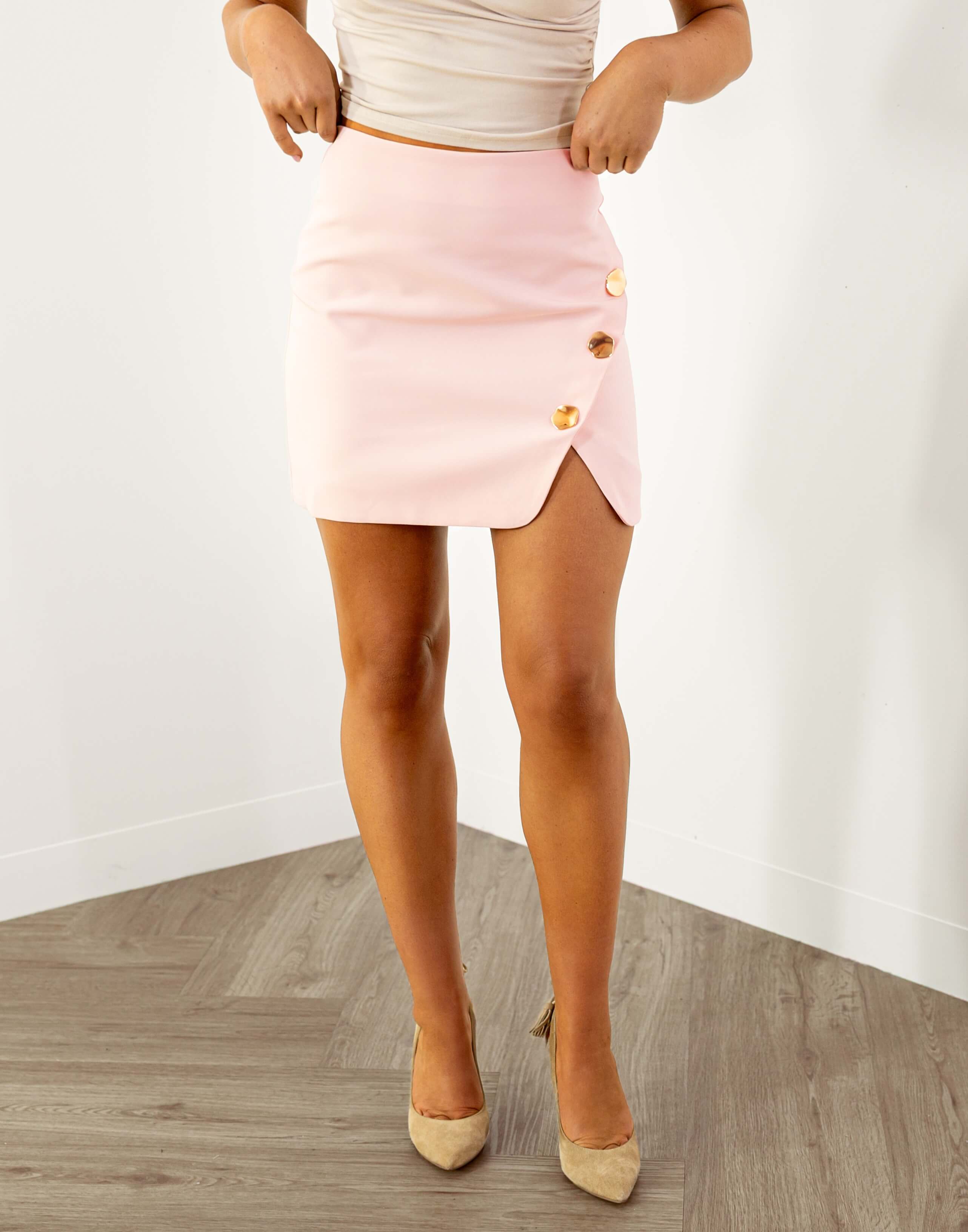
Think of proportion as a visual conversation
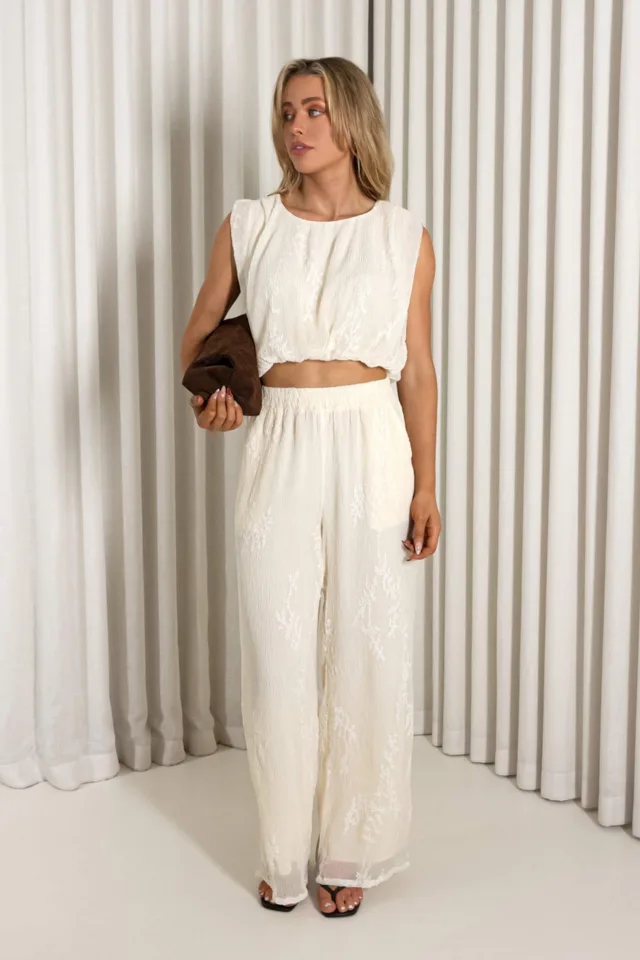
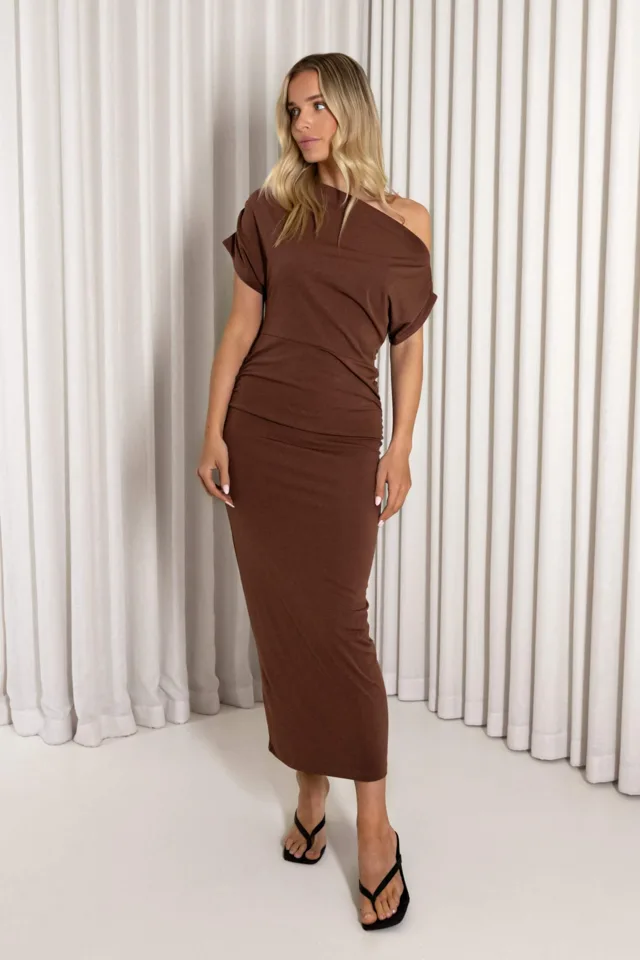
Outfit proportions describe how the lengths, shapes, and volumes of your clothes relate to one another. They can change the feeling of an outfit, but there is no single ratio that makes a look correct. A cropped top with a long skirt might feel crisp and graphic; a roomy shirt over a shorter hem might feel relaxed and playful. Either can work when the combination feels intentional to you.
Instead of asking whether a piece is flattering by a fixed standard, ask what you want the outfit to communicate. Do you want a clear waist, a long uninterrupted line, a little movement, or a more layered effect? That answer gives you a useful starting point without turning personal style into a list of restrictions.
Start with the silhouette you want
Choose one item as your anchor. It might be a full skirt, a close-fitting top, wide-leg trousers, or a structured jacket. Then decide whether the rest of the look should echo its shape or create contrast. A flowing bottom can pair with a neat top for definition, or with another relaxed piece for an easy, generous silhouette. The key difference is intention: notice whether the combination feels composed or simply unfinished.
Try on the anchor with two different partners before deciding. If a voluminous skirt feels overwhelming with a loose top, test a tucked-in tee or a shorter layer. If the neat pairing feels too polished, soften it with an open overshirt or casual shoes. Small changes can shift the balance without requiring a new wardrobe.
Use hems and waistlines as adjustable tools
Where a top ends and where a bottom begins affect the way the outfit is visually divided. A full tuck, half tuck, untucked hem, or cropped layer each creates a different line. There is no need to default to a high waist or a tucked top; compare options and choose the one that suits the mood and comfort you want.
For example, a tucked top can bring attention to a skirt’s waistband, while an untucked shirt can create a longer, softer line. A half tuck offers a casual middle ground, though it may look better with some fabrics than others. A skirt such as the Taylor Mini Skirt can be a useful starting point for trying different top lengths. Consider the outfit as a whole rather than treating any one hemline as a rule.
Balance volume with contrast—or repeat it on purpose
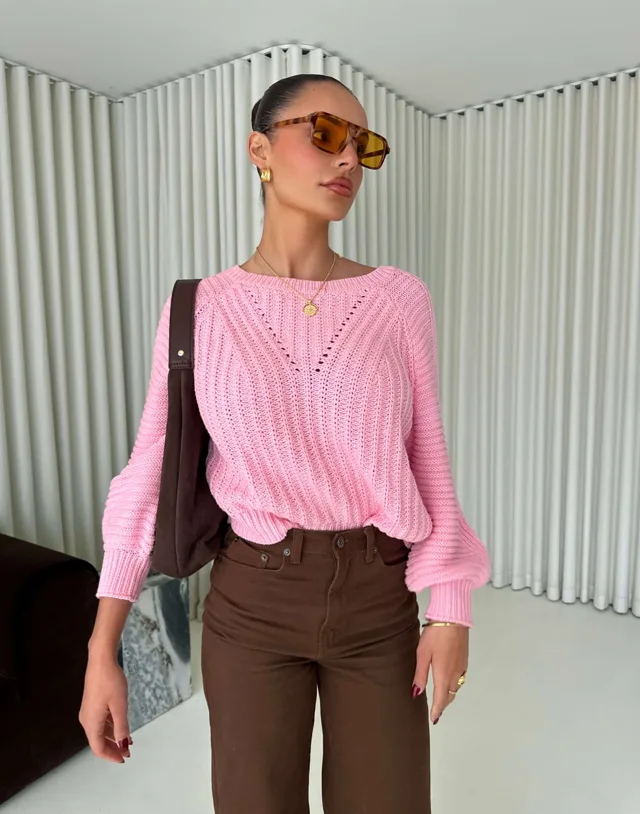
Contrasting shapes is one straightforward way to create a balanced outfit. Try a roomy knit with a slimmer skirt, or a close-fitting top with wide-leg bottoms. This gives the eye a change in shape and can make each piece easier to notice. If you prefer more volume, you can wear relaxed shapes together; repeated volume can feel cohesive when color, texture, or a defined detail connects the pieces.
Pay attention to fabric as well as cut. A soft, drapey top may sit differently from a crisp shirt, even if both have a similar amount of ease. If several pieces feel bulky together, try opening a layer, showing a bit of wrist or ankle, or choosing a smoother fabric nearby. These are options, not obligations. Comfort and movement matter as much as the outline in a mirror.
Let layers change the outline
Layers can add structure, create a new hemline, or make an outfit feel more relaxed. An open jacket forms vertical edges; a short cardigan introduces a distinct break; a longer layer can create a continuous sweep over a shorter base. Test the look with the layer open and closed, because each version changes the silhouette.
Also consider what happens when you move. A jacket that looks balanced standing still may bunch when you sit, while a long shirt may shift as you walk. Check the outfit from the side and back, and try a few ordinary movements. If a layer keeps pulling your attention or feels cumbersome, adjust its length, remove it, or swap in a lighter option. The best proportion is one you can wear comfortably through your plans.
Use accessories to guide the eye
Accessories can emphasize a line or create a point of focus. A belt can make a waistline more visible, while a long necklace can add a vertical accent. A compact bag may sit quietly with a voluminous outfit; a larger bag can add weight and presence. Shoes also matter: a simple shoe can let a strong silhouette lead, while a more noticeable shoe can anchor an outfit with substantial layers.
Try adding one accessory at a time. If the outfit already has a bold print, textured knit, or sculptural shape, a quieter finishing touch may help the pieces share attention. If the clothes are simple, an accessory can provide contrast. There is no need to make every detail match; look for a connection in color, scale, or mood instead.
Make fabric and care part of the styling decision
Fabric affects how a garment hangs, folds, and holds a shape, so it is worth checking the care label before building a look around it. A garment that needs careful laundering may call for a different layering plan than one you can wash with your usual clothes. Avoid assuming that all knits, woven fabrics, or linings should be cared for the same way.
Think about how pieces will sit together after wear, too. A delicate layer beneath a textured one may need more attention; a garment that creases easily may look different after time in a bag or at a desk. Follow the care instructions on each item, and store or launder pieces as directed. Good care helps you keep familiar outfit combinations in rotation without making unsupported promises about how a garment will perform.
Use a flexible try-on process
When an outfit feels off, change one variable at a time. First, adjust the top’s tuck or hem. Next, try a different layer or shoe. Then consider whether the issue is actually volume, color, or fabric rather than proportion. This simple sequence makes it easier to understand what is changing and avoids replacing a whole outfit when one small adjustment may help.
Take a quick mirror check from the front, side, and back, then sit, walk, and reach. Ask yourself: Do I like where the outfit breaks visually? Can I move comfortably? Does the silhouette match the occasion and my mood? If the answer is yes, the proportions are doing their job. If you are exploring skirt lengths, browsing the Bottoms collection can help you compare different starting shapes, while the Jacob Midi Skirt offers another length to consider alongside a mini.
For a more considered fit check, consult the size guide and compare the listed measurements with a garment you already enjoy wearing. That can support a practical choice, but measurements cannot decide your style for you. Let the guide inform the selection, then trust your own preferences when you put the pieces together.
Keep the rules optional
Proportion is most useful when it gives you ideas, not when it narrows your choices. A shorter top, a longer layer, a tucked shirt, or an all-over relaxed silhouette can each create a satisfying outfit in the right context. Experiment with contrast, repeat shapes when you like the effect, and make comfort part of the final decision.
Over time, you may notice combinations you reach for often. Treat those as personal reference points rather than rules that every outfit must follow. The goal is not to make every look conform to one ideal balance. It is to understand how clothing shapes relate, so you can adjust them with confidence and dress in a way that feels like you.
Find a piece to make it your own.
Explore the current collection and ask us about the fit, details or availability of any style.
Explore Bottoms