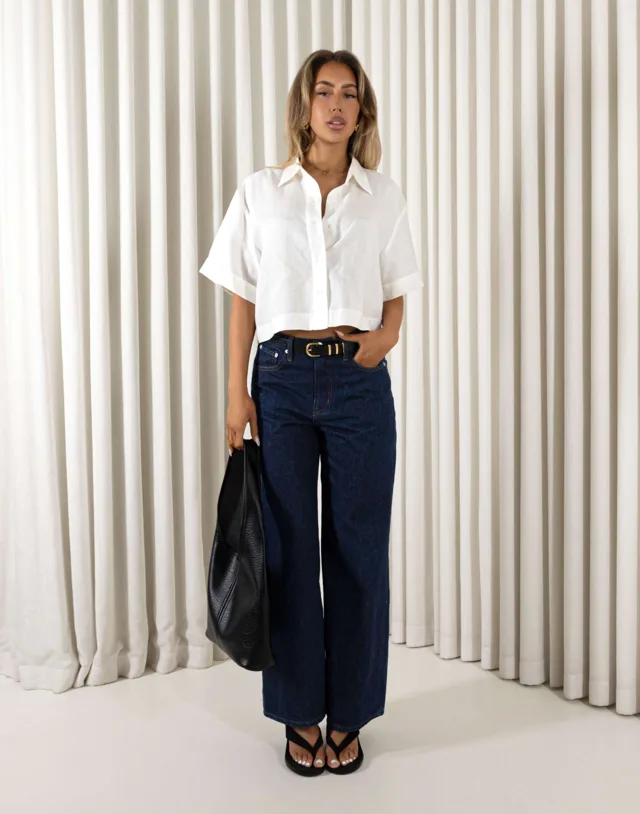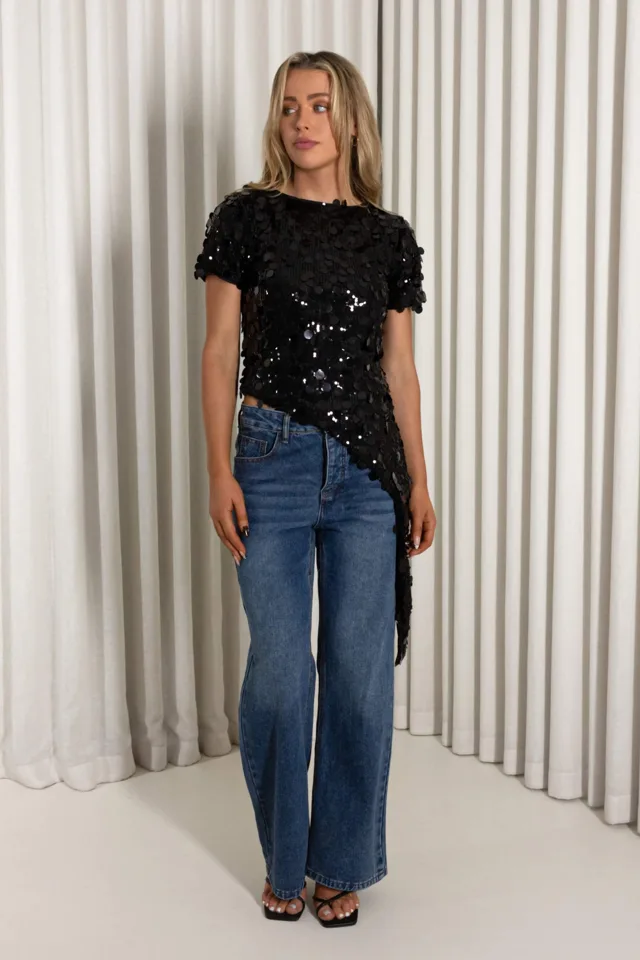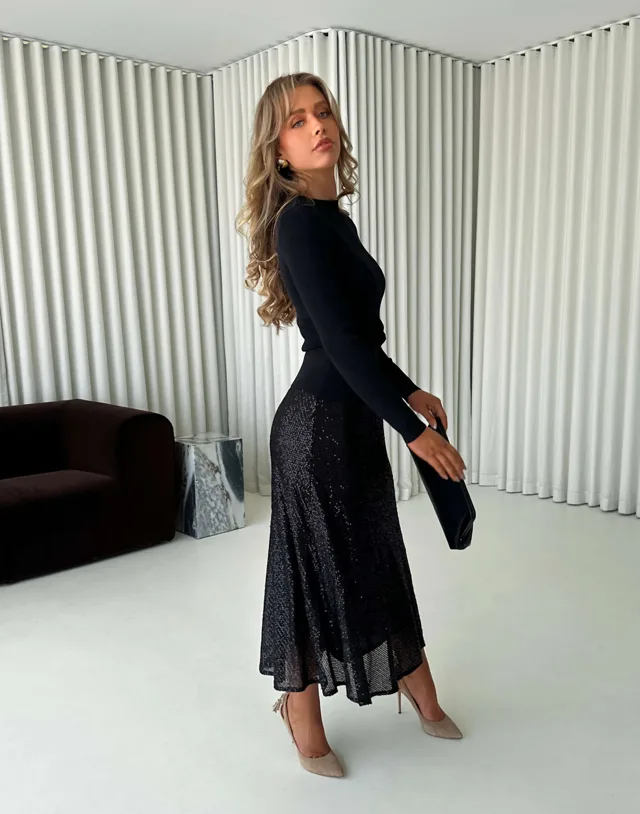
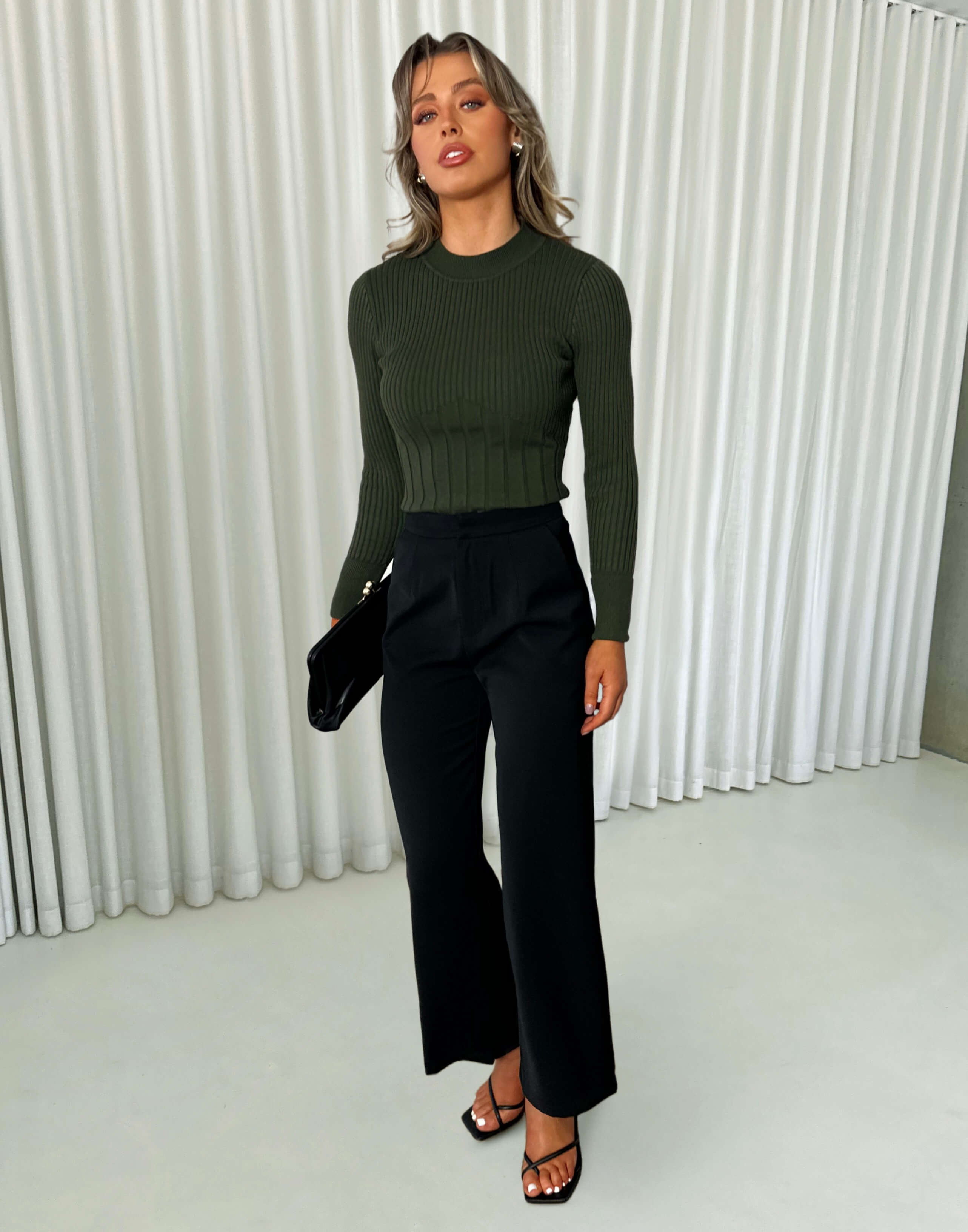
A good office-to-dinner outfit does not need a complete costume change. High-waist trousers offer a polished starting point: their defined waist works with tucked-in tops, softly draped blouses, and cropped layers, while tailored pants can feel at home in both a meeting and a relaxed evening setting. The useful trick is to plan the transition before you leave home. Choose a comfortable base, then bring one or two small changes that shift the mood.
Think about your actual day, too. A commute, a long stretch at a desk, and dinner across town call for different things than a short office visit followed by a reservation nearby. The aim is not to follow a formula, but to make the outfit feel considered and wearable from the first appointment to the last plan.
Start with the rise and the overall line
High-waist trousers draw attention to the waist, so the way a top meets the waistband has a noticeable effect on proportion. A full tuck creates a clean line and makes the waist detail part of the outfit. A half tuck can feel more relaxed, especially with a softer shirt. If you prefer a top worn untucked, look for a hem that does not bunch heavily at the waistband or hide the shape of the trousers.
Balance matters more than a prescribed silhouette. A fuller trouser leg can pair well with a closer-fitting knit or a blouse that drapes without extra bulk. With a straighter or slimmer leg, a slightly looser top can add ease. Try the combination seated as well as standing: fabric that looks neat in a mirror can shift or gather after hours at a desk.
If you are comparing cuts, browse the Jessi Tailored Pants as one example of the high-waist tailored-pants category. For a broader look at separates, the Bottoms collection can help you consider different starting points for the same styling approach.
Choose a workday top that can change its mood
A crisp button-front shirt is an easy office choice, but it need not stay buttoned and tucked exactly the same way all evening. At work, wear it neatly tucked with the collar open or closed to suit your setting. Later, undo an extra button, roll the cuffs, or let the hem out if its shape works over the trousers. Those small adjustments can make the outfit feel less formal without adding another garment.
A fine-gauge sweater, sleeveless knit, or simple blouse offers a different kind of flexibility. A smooth layer beneath a jacket keeps the outfit composed during the day; after work, removing the jacket lets the top stand on its own. For a more expressive dinner look, consider a top with a subtle sheen or an interesting neckline. Keep the trousers as the steady piece and let one detail carry the change.
Before deciding, check how the fabric behaves when tucked. A thick or textured top may create a bulky waistband, while a lightweight one can shift during the day. A partial tuck is a practical middle ground when you want some definition without a perfectly flat front.
Use a layer for temperature and polish
A blazer is a familiar partner for tailored pants, but it is only one option. A lightweight cardigan or a neat overshirt can give a work outfit structure without feeling too formal at dinner. If you choose a jacket, consider its length against the rise of the trousers. A shorter layer highlights the waistband; a longer one creates a continuous line and can feel more relaxed when worn open.
Indoor temperatures and evening weather can make a removable layer useful. Pick something you can fold or carry comfortably, rather than a piece that only works when worn in one exact way. For a polished transition, take the layer off and keep it on your arm; for a breezier evening, leave it on and change another detail instead.
Color can connect the pieces without making them match exactly. A neutral trouser can anchor a brighter top, while a tonal combination can look calm and intentional. If your outfit already includes a strong color or pattern, keep the extra layer simple so it does not compete.
Make the shoe change count
Shoes influence both comfort and the impression of an outfit. A low-profile loafer, flat, or modest heel can work for a day that involves walking and standing. If dinner calls for a dressier finish, a change to a heeled sandal, pointed flat, or other polished shoe may be enough to shift the look. There is no need to choose a shoe you cannot comfortably manage through your schedule.
Pay attention to trouser length with the shoes you plan to wear. A hem that falls cleanly with a flat may sit differently with a heel, and a wide leg can catch underfoot if it is too long. If you expect to change shoes, test both pairs with the trousers beforehand. This small check prevents a last-minute adjustment and helps you decide whether the outfit needs a different hem or a single reliable shoe.
For a day with lots of movement, prioritize the shoe that supports the full itinerary. You can add a more noticeable accessory later; comfortable footing is harder to improvise once the day is underway.
Refresh the details after work
Accessories are an efficient way to give an office to dinner outfit a new emphasis. Swap a work tote for a smaller bag, add earrings, or replace a simple belt with one that has a more distinctive buckle. A delicate necklace can stay in place all day, while a bolder pair of earrings can be kept in a pouch and added before dinner.
Choose one or two changes rather than carrying a second version of every accessory. If the top has a statement collar or the trousers have a visible waistband detail, let that feature remain part of the focus. A bag in a contrasting color can add energy; a bag in a similar tone can keep the outfit understated. Either approach can feel deliberate when the rest of the look is balanced.
Small practical items deserve a place in the plan, too. A compact lint roller, a spare hair tie, or a folded pair of flats may be more useful than an extra decorative piece, depending on your day. Pack only what suits the setting and what you are comfortable carrying.
Keep fabric and care in mind
Fabric affects how trousers feel over a full day and how much attention they need afterward. Before wearing a new pair, check the care label for washing, drying, and pressing instructions. Some fabrics respond well to gentle steaming; others may call for a different approach. Avoid assuming that every tailored trouser can be treated the same way.
To reduce creasing, hang trousers from the waistband or use a hanger designed to keep the legs aligned when you arrive home. If you are packing them for a longer day away, fold along the existing crease when possible and avoid compressing them beneath heavy items. A quick check in natural light before leaving can reveal wrinkles, lint, or a twisted hem that was less visible indoors.
When judging comfort, consider more than the waistband alone. Sit, stand, and walk in the trousers before committing to them for a long schedule. Check the rise, the ease through the hip and thigh, and whether the waistband stays comfortable when seated. The size guide can be a helpful reference while you compare measurements, but your preferred ease and styling choices remain personal.
Build a flexible outfit, not a rigid formula
Before the day begins, lay out the full outfit, including the shoes and bag. Ask three practical questions: Does the top work tucked and untucked? Can the layer come off without leaving the look unfinished? Are the shoes comfortable enough for the whole itinerary? If one answer is no, adjust that part rather than adding more pieces.
It can also help to plan a quiet evening variation. If a jacket is the main workday layer, decide whether the outfit still feels complete without it. If the trousers are the statement, keep the evening top simple. For another polished bottom option, the Theresa Midi Skirt offers a different silhouette to consider when you want the same desk-to-dinner flexibility without trousers.
High-waist trousers are useful because they can support several moods, not because they demand one ideal styling rule. Start with the cut and comfort that suit you, keep proportions in mind, and choose a small evening refresh that fits your plans. With a top that transitions, a practical layer, and shoes you can wear confidently, the shift from desk plans to dinner plans can feel straightforward and distinctly your own.
Find a piece to make it your own.
Explore the current collection and ask us about the fit, details or availability of any style.
Explore Bottoms